
Dr Sarika Chaubey
About Me
Dr Sarika Chaubey
MBBS
General Physician
10 Years Experience
Biography
My Clinic
OPD Hours
| Monday | Morning | 10:00 AM | - | 02:00 PM |
| Evening | 06:00 PM | - | 09:00 PM | |
| Tuesday | Morning | 10:00 AM | - | 02:00 PM |
| Evening | 06:00 PM | - | 09:00 PM | |
| Wednesday | Morning | 10:00 AM | - | 02:00 PM |
| Evening | 06:00 PM | - | 09:00 PM | |
| Thursday | Morning | 10:00 AM | - | 02:00 PM |
| Evening | 06:00 PM | - | 09:00 PM | |
| Friday | Morning | 10:00 AM | - | 02:00 PM |
| Evening | 06:00 PM | - | 09:00 PM | |
| Saturday | Morning | 10:00 AM | - | 02:00 PM |
| Evening | 06:00 PM | - | 09:00 PM | |
| Sunday | Morning | 10:00 AM | - | 02:00 PM |
| Evening | 06:00 PM | - | 09:00 PM |
Treatments
Specialised care and treatments offered
SEASONAL ALLERGIC RHINITIS CARE
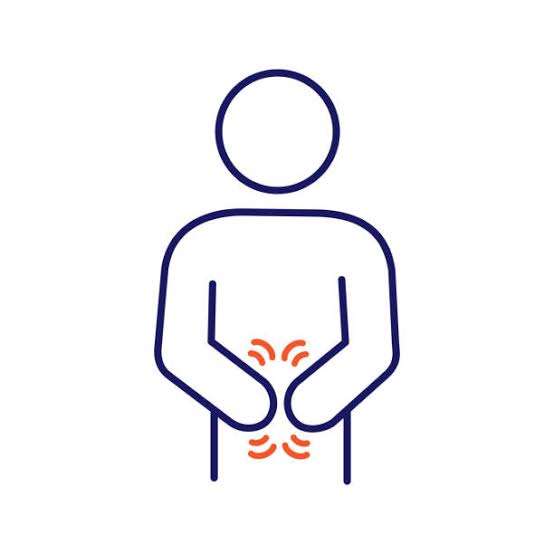
This allergic condition occurs due to hypersensitivity to environmental allergens like pollen leading to sneezing fits and nasal congestion during certain times of year. It commonly affects people living in urban settings exposed to seasonal triggers.
IRON DEFICIENCY ANEMIA EVALUATION

Anemia caused by insufficient iron results in reduced red blood cells leading to fatigue and weakness. It is one of the most prevalent nutritional deficiencies worldwide requiring timely diagnosis and treatment.
- Causative Factors & Presentation: Signs include pallor, tiredness; causes encompass poor dietary intake, chronic blood loss especially gastrointestinal sources.
- ID Methods: Blood tests showing low hemoglobin and serum ferritin levels confirm diagnosis along with peripheral smear examination.
- Therapeutic Strategies:Addition of iron-rich foods plus oral iron supplements are primary treatments; underlying cause identification is essential for complete resolution.
GASTROESOPHAGEAL REFLUX DISEASE (GERD) TREATMENT

This condition arises when stomach acid frequently flows back into the esophagus causing discomfort known as heartburn. Chronic reflux can affect quality of life if untreated.
- Main Causes & Symptoms: Acidic regurgitation, chest discomfort after meals; risk factors include obesity, certain foods, smoking.
- Diagnosis Techniques: Mainly clinical history supplemented by endoscopy or pH monitoring if necessary.
- Treatment Modalities: Dietary adjustments avoiding trigger foods, weight management; acid-suppressing medications like proton pump inhibitors are common remedies.
- Lifestyle Recommendations: Avoid lying down immediately after eating, elevate head during sleep to minimize reflux episodes.
A combination of lifestyle changes and appropriate medication typically controls symptoms effectively. Early intervention prevents complications such as esophageal inflammation or strictures.
ACUTE UPPER RESPIRATORY TRACT INFECTION (URTI) MANAGEMENT
The common cold or acute URTI is an inflammation of the nasal passages and throat usually caused by viruses. It is one of the most frequently encountered illnesses in general practice.
- Symptoms & Causes: Runny nose, sore throat, cough; commonly viral infections spread via droplets.
- Diagnosis: Primarily clinical based on symptomatology; laboratory tests rarely needed unless complications occur.
- Treatment Options: Supportive care with rest, hydration, analgesics; antibiotics are generally not indicated unless bacterial infection suspected.
- Prognosis & Expectations: Symptoms usually resolve within a week; patients should seek follow-up if they worsen or persist beyond typical duration.
This self-limiting illness typically resolves without medical intervention but can impact daily activities temporarily. Preventive measures including hygiene play a key role in limiting spread.
TYPE 2 DIABETES MELLITUS CARE

This chronic condition affects how the body processes blood sugar (glucose), leading to elevated levels that can harm organs over time. Managing diabetes is critical for preventing complications.
- Symptoms & Causes: Increased thirst, frequent urination, fatigue; associated with obesity, inactivity, and genetic predisposition.
- Diagnostic Methods: Blood tests including fasting glucose and HbA1c levels provide accurate diagnosis.
- Treatment Approaches: Emphasis on diet control, regular physical activity, oral medications, and sometimes insulin therapy.
- Monitoring: Frequent blood sugar checks and periodic evaluation of kidney function and eye health are important.
Lifelong management with proper guidance helps maintain quality of life and reduce risks of nerve damage, kidney failure, or vision loss in diabetes patients.
HYPERTENSION MANAGEMENT
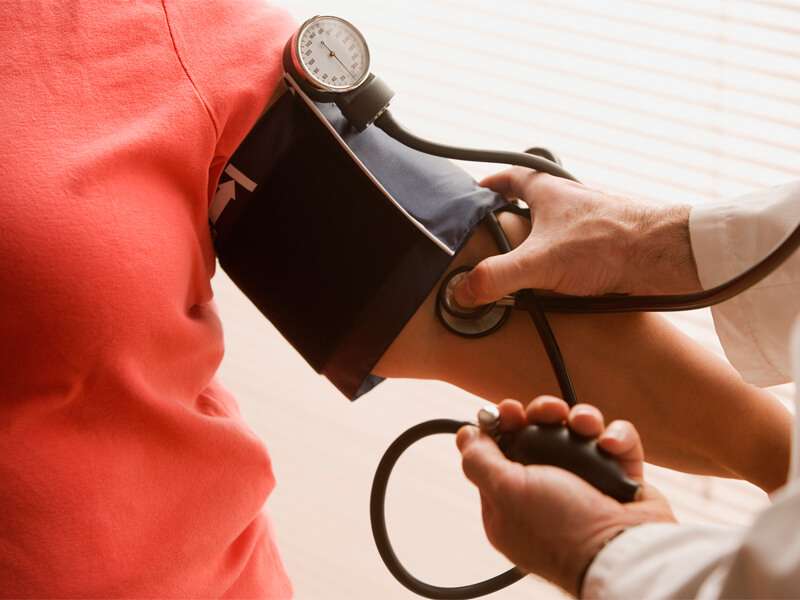
High blood pressure, or hypertension, is a common condition affecting millions globally. It often develops over years without symptoms but can lead to serious health risks if uncontrolled.
- Symptoms and Causes: Often asymptomatic; risk factors include genetics, obesity, sedentary lifestyle, and high salt intake.
- Diagnosis: Regular blood pressure monitoring using a sphygmomanometer; may require multiple readings to confirm.
- Treatment: Lifestyle modifications like diet and exercise; medications such as ACE inhibitors or beta-blockers may be prescribed.
- Management: Ongoing monitoring and adherence to treatment plan to prevent complications like heart disease or stroke.
Proper management of hypertension can significantly reduce long-term health risks. Early detection and consistent care are essential for maintaining cardiovascular health.