
DR Sarik Arshad
About Me
DR Sarik Arshad
MBBS
Dermatologist
10 Years Experience
Biography
My Clinic
OPD Hours
| Monday | Morning | 10:00 AM | - | 02:00 PM |
| Evening | 06:00 PM | - | 09:00 PM | |
| Tuesday | Morning | 10:00 AM | - | 02:00 PM |
| Evening | 06:00 PM | - | 09:00 PM | |
| Wednesday | Morning | 10:00 AM | - | 02:00 PM |
| Evening | 06:00 PM | - | 09:00 PM | |
| Thursday | Morning | 10:00 AM | - | 02:00 PM |
| Evening | 06:00 PM | - | 09:00 PM | |
| Friday | Morning | 10:00 AM | - | 02:00 PM |
| Evening | 06:00 PM | - | 09:00 PM | |
| Saturday | Morning | 10:00 AM | - | 02:00 PM |
| Evening | 06:00 PM | - | 09:00 PM | |
| Sunday | Morning | 10:00 AM | - | 02:00 PM |
| Evening | 06:00 PM | - | 09:00 PM |
Treatments
Specialised care and treatments offered
WART REMOVAL TECHNIQUES
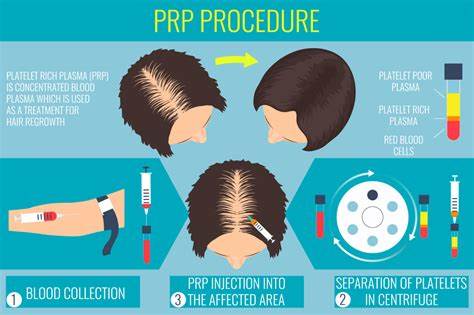
Warts are benign skin growths caused by human papillomavirus infection. They often resolve spontaneously but may require removal if symptomatic or cosmetically undesirable.
- Causation & Presentation: Warts appear as rough textured lesions commonly found on hands or feet resulting from viral infection entering through breaks in the skin.
- Differential Diagnosis: Physical examination differentiates warts from other similar appearing conditions like corns or calluses
- Treatment Options: Cryotherapy using liquid nitrogen induces wart destruction via freezing; alternatives include salicylic acid preparations or electrocautery depending on lesion size/location.
- Treatment Expectations: Multiple sessions might be needed as warts can be stubborn; nearby healthy tissue preservation remains priority during procedures
Efficacious wart removal improves cosmetic appearance while reducing discomfort associated with lesion irritation ensuring long-term clearance through dermatologist-guided interventions.
LASER THERAPY FOR HYPERPIGMENTATION
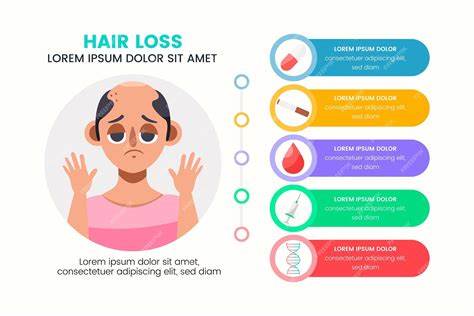
Pigmentary changes such as dark spots result from melanin overproduction triggered by sun exposure or hormonal factors. Laser therapy offers targeted pigment correction options safely performed in clinic settings.
- Description & Causes: Conditions like melasma or post-inflammatory hyperpigmentation cause localized darkened patches difficult to conceal cosmetically without intervention. A thorough evaluation by a dermatologist determines suitability for laser type based upon pigmentation depth and patient’s skin type
- Treatment Details: Various lasers including Q-switched Nd:YAG selectively break down pigment allowing gradual fading after multiple sessions.
- Affected Skin Care: Sun protection post-treatment is imperative as treated areas can be more sensitive
- Treatment Outcomes: Improvements occur progressively while minimizing damage to surrounding tissues when correctly administered
This treatment serves as an effective option for persistent hyperpigmentation recalcitrant to topical therapies enhancing overall complexion uniformity under professional guidance.
ECZEMA (ATOPIC DERMATITIS) CARE
Eczema is a frequent inflammatory skin disorder causing dry, itchy patches that can disrupt daily comfort. Recognizing triggers aids in better control strategies.
- Causative Factors & Symptoms: Eczema presents with redness, itching, dryness due to genetic predisposition combined with environmental exposures like allergens or irritants.
- Diagnosis Criteria: Based mainly on clinical history and examination revealing typical lesion patterns on various body parts including flexural areas.
- Therapeutic Measures: Emollients improve moisture retention; topical steroids reduce inflammation; identifying trigger avoidance is critical along with antihistamines if itching worsens sleep quality.
- Lifestyle Recommendations: Gentle skincare routines avoiding harsh soaps or excessive bathing contribute positively to flare prevention.
A well-rounded eczema management approach emphasizes regular moisturizing alongside tailored medication regimens to enhance skin barrier function and minimize discomfort effectively over time.
MOLE REMOVAL PROCEDURES
Moles are common pigmented skin growths that sometimes require removal for cosmetic or health reasons. Understanding removal options helps patients make informed decisions.
- Identification & Concerns: Moles vary in size and shape; changes in color, size or irregularity should be evaluated for malignancy risk.
- Evaluation Process: Dermatologists use visual assessment often supported by dermoscopy before deciding on removal necessity.
- Treatment Techniques: Methods include surgical excision, shave removal, or laser therapy depending on mole characteristics and patient preference.
- Post-Procedure Care: Proper wound care minimizes infection risk; healing times vary but generally span days to weeks with minimal scarring expected.
Selecting the appropriate removal approach ensures safety and optimal cosmetic outcome while addressing any underlying concerns related to moles effectively.
PSORIASIS MANAGEMENT
This chronic autoimmune-driven condition causes rapid skin cell buildup, resulting in scaly patches that may itch or crack. Awareness of its features aids in controlling symptoms effectively.
- Symptoms & Causes: Characterized by red, thickened plaques often covered with silvery scales caused by immune system overactivity triggering fast cell turnover.
- Diagnostic Approach: Usually confirmed through physical exam; a biopsy may be performed if necessary.
- Treatment Modalities: Includes topical corticosteroids, vitamin D analogs, phototherapy, and systemic medications for moderate to severe cases.
- Patient Guidance: Regular follow-up helps adjust treatments; stress reduction and moisturizing support symptom relief.
While psoriasis is a lifelong condition, modern therapies allow patients to maintain good quality of life with controlled symptoms when adequately managed.
ACNE VULGARIS TREATMENT
Acne vulgaris is a common skin condition that affects many individuals, characterized by clogged pores and inflammation. Understanding the nature of acne is essential for effective management.
- Causes & Symptoms: Acne results from excess oil production, bacteria, dead skin cells clogging hair follicles, and inflammation leading to pimples, blackheads, and whiteheads.
- Diagnosis: Typically determined based on clinical examination of the skin's appearance and severity.
- Treatment Options: Treatments range from topical agents like retinoids and antibiotics to oral medications in severe cases; lifestyle measures also help manage flare-ups.
- Management Expectations: Improvement is gradual; adherence to therapy and patience are crucial for noticeable results over weeks to months.
Caring for acne involves consistent treatment and sometimes combining therapies tailored to an individual's skin type and severity. Early intervention can prevent scarring and lasting effects.