
Dr Santosh Chand
About Me
Dr Santosh Chand
MD
Infectious disease specialists
Biography
My Clinic
OPD Hours
| Monday | Morning | 10:00 AM | - | 02:00 PM |
| Evening | 06:00 PM | - | 09:00 PM | |
| Tuesday | Morning | 10:00 AM | - | 02:00 PM |
| Evening | 06:00 PM | - | 09:00 PM | |
| Wednesday | Morning | 10:00 AM | - | 02:00 PM |
| Evening | 06:00 PM | - | 09:00 PM | |
| Thursday | Morning | 10:00 AM | - | 02:00 PM |
| Evening | 06:00 PM | - | 09:00 PM | |
| Friday | Morning | 10:00 AM | - | 02:00 PM |
| Evening | 06:00 PM | - | 09:00 PM | |
| Saturday | Morning | 10:00 AM | - | 02:00 PM |
| Evening | 06:00 PM | - | 09:00 PM | |
| Sunday | Morning | 10:00 AM | - | 02:00 PM |
| Evening | 06:00 PM | - | 09:00 PM |
Treatments
Specialised care and treatments offered
VIRAL MENINGITIS
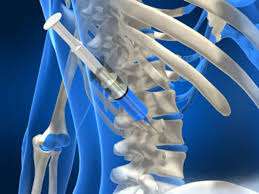
Meningitis involves inflammation of protective membranes covering the brain and spinal cord — viral meningitis usually manifests mild effects compared many bacterial forms proving perilous instead! Viral causes range widely yet knowing details boosts preparedness carry forth!
CHRONIC GRANULOMATOUS DISEASE (CGD)

This rare genetic disorder impacts the body's ability to fight off certain infections due to a defect in white blood cells' ability to kill bacteria. Individuals with chronic granulomatous disease face recurrent infections and inflammatory responses due to their immune system's inefficiency..
- Symptoms: Recurrent abscesses or pneumonia indicate potential CGD among vulnerable patients alongside specific inflammatory conditions like granuloma formation.
- Diagnosis: Diagnostic tests often require measuring oxidative burst activity in white blood cells complemented by genetic testing confirming defects associated with specific enzymes involved in microbial killing.
- Treatment: Management techniques might encompass prophylactic antibiotics along with interferon-gamma injections enhancing immune response capabilities against particular pathogens witnessed; targeted therapies for individual’s specific bacterial susceptibilities will evolve over time too .
- Management: Patients should undergo regular monitoring besides preventive measures reducing infection risks providing medical advice on lifestyle adaptations ensuring safety against offending microbes thus preventing complications resulting from co-infections .
- Expectations: Though CGD demands lifelong management approaches yield promising prognoses especially considering advancements regarding gene therapy aimed at curing underlying etiologies evolving treatments create optimism around future perspectives concerning long-standing issues! ...
This informative perspective brings reliability into understanding CGD while focusing towards proactive steps empowering families coping collectively within journeys tackling everyday obstacles faced alongside complex challenges posed throughout lives impacted directly regarding this condition - support exists amongst communities despite hurdles encountered! ..
LYME DISEASE

HEPATITIS C

Hepatitis C is a viral infection that causes liver inflammation, which can lead to severe liver damage over time. The virus is primarily spread through direct contact with infected blood. Understanding how Hepatitis C works aids in prompt diagnosis and management strategies.
- Symptoms: Many people experience no symptoms initially; when symptoms do occur, they may include fatigue, jaundice, or abdominal pain.
- Diagnosis: Blood tests are used not only to detect the virus but also to determine its genotype for tailored treatment options.
- Treatment: Direct-acting antiviral medications are highly effective in eradicating the virus from the body in most cases.
- Management: Ongoing medical follow-ups ensure successful treatment outcomes and monitor liver health post-treatment.
- Expectations: With appropriate therapy, most patients achieve a sustained virologic response indicating that the virus has been cleared from their bloodstream.
An informed approach provides hope for those affected by Hepatitis C through proven treatments available today.
TUBERCULOSIS (TB)

Tuberculosis (TB) is a potentially serious infectious disease that primarily affects the lungs but can also impact other parts of the body. It spreads through airborne particles released when an infected person coughs or sneezes. Understanding TB's nature enables early detection and effective treatment.
- Symptoms: Common symptoms include persistent cough, weight loss, night sweats, and fever.
- Diagnosis: TB is diagnosed using skin tests or chest X-rays alongside microbiological examinations of sputum samples.
- Treatment: A multi-drug regimen over several months is typically required to effectively eliminate TB bacteria.
- Management: Adhering to medication schedules and follow-up visits are essential to prevent recurrence or drug resistance.
- Expectations: Most patients respond well to treatment and can expect full recovery if they adhere strictly to their prescribed regimen.
A comprehensive understanding of TB allows for better outcomes through timely intervention and continued care.
HIV/AIDS

HIV (Human Immunodeficiency Virus) is a virus that attacks the body's immune system, specifically the CD4 cells, which are critical for fighting infections. If left untreated, HIV can lead to AIDS (Acquired Immunodeficiency Syndrome), a severe stage of infection where the immune system is significantly compromised. Understanding this condition is essential for both treatment and prevention.
- Symptoms: Early symptoms include fever, fatigue, and swollen lymph nodes, while advanced stages can result in opportunistic infections.
- Diagnosis: Diagnostic tests such as ELISA and Western blot are used to detect the presence of the virus and measure CD4 counts.
- Treatment: Antiretroviral therapy (ART) is the primary treatment option that helps manage viral load and supports immune function.
- Management: Regular monitoring of viral load and adherence to medication are crucial for effective management.
- Expectations: With proper treatment, individuals can achieve an undetectable viral load and live a long, healthy life.
A proactive approach to managing HIV can result in significant health benefits and improved quality of life for affected individuals.