
DR Sanjiv Suri
About Me
DR Sanjiv Suri
MBBS
Cardiologist
10 Years Experience
Biography
My Clinic
OPD Hours
| Monday | Morning | 10:00 AM | - | 02:00 PM |
| Evening | 06:00 PM | - | 09:00 PM | |
| Tuesday | Morning | 10:00 AM | - | 02:00 PM |
| Evening | 06:00 PM | - | 09:00 PM | |
| Wednesday | Morning | 10:00 AM | - | 02:00 PM |
| Evening | 06:00 PM | - | 09:00 PM | |
| Thursday | Morning | 10:00 AM | - | 02:00 PM |
| Evening | 06:00 PM | - | 09:00 PM | |
| Friday | Morning | 10:00 AM | - | 02:00 PM |
| Evening | 06:00 PM | - | 09:00 PM | |
| Saturday | Morning | 10:00 AM | - | 02:00 PM |
| Evening | 06:00 PM | - | 09:00 PM | |
| Sunday | Morning | 10:00 AM | - | 02:00 PM |
| Evening | 06:00 PM | - | 09:00 PM |
Treatments
Specialised care and treatments offered
PERIPHERAL ARTERY DISEASE (PAD) - CARDIOVASCULAR IMPLICATIONS

This vascular disorder results from narrowed arteries reducing blood flow primarily in limbs but also affects cardiovascular health overall. It can signal systemic atherosclerosis affecting coronary arteries too.
- Symptoms & contributing factors: Leg pain during walking (claudication), numbness along with risk elements such as diabetes & smoking highlight PAD presence.
- Diagnostic approach: Ankle-brachial index measurements complemented by Doppler ultrasound assess arterial obstruction severity.
- Therapeutic interventions: Lifestyle adjustments focused on exercise programs & smoking cessation plus antiplatelet drugs improve symptoms; surgical options exist for critical ischemia.
- Cardiovascular risk reduction: Controlling hypertension & cholesterol levels targets overall vascular health beyond limb symptoms.
Recognizing PAD allows timely management reducing complications not only locally but also decreasing major cardiovascular events risks globally.
SUDDEN CARDIAC ARREST
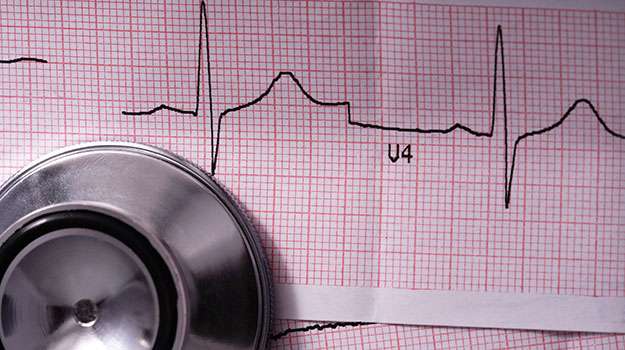
This life-threatening emergency arises when the heart abruptly stops pumping effectively due to electrical malfunction. Without immediate resuscitation efforts survival chances decrease rapidly.
- Causal factors and signs:Sudden collapse accompanied by loss of consciousness often follows ventricular fibrillation triggered by severe coronary artery disease or cardiomyopathies.
- Diverse diagnostic challenges:The diagnosis occurs during resuscitation attempts; post-event tests focus on identifying underlying cause through ECGs and imaging once stabilized.
- Life-saving treatments: Prompt cardiopulmonary resuscitation (CPR) & use of automated external defibrillators (AEDs) are critical initial steps followed by advanced cardiac life support therapies in hospital settings.
- Prevention strategies: Implantable cardioverter-defibrillators (ICDs) may be recommended for high-risk individuals after recovery from initial episodes.
Early recognition coupled with rapid intervention is essential since sudden cardiac arrest has high fatality without emergency response.
UNSTABLE ANGINA
An unstable angina episode signals reduced blood flow to the heart muscle causing chest pain at rest or with minimal exertion. It is a warning of impending myocardial infarction if untreated.
- Main features and triggers: Persistent chest discomfort lasting longer than usual angina attacks indicates plaque instability in coronary arteries leading to ischemia.
- Evolving diagnostics: ECG monitoring combined with cardiac biomarkers help differentiate unstable angina from myocardial infarction.
- Treatment protocols: Immediate use of antiplatelets, nitrates for symptom relief along with hospitalization for monitoring are standard care steps; invasive procedures may be needed if blockage persists.
- Lifestyle guidance post-attack: Risk factor modification including diet optimization, smoking cessation, weight control improves prognosis substantially after an event.
This condition requires urgent evaluation because timely intervention can prevent progression into a full-blown heart attack.
ACUTE HEART FAILURE
Acute heart failure is a sudden onset condition where the heart cannot pump sufficient blood to meet the body's needs. This leads to fluid accumulation and breathing difficulties that require urgent attention.
- Signs and causes: Difficulty breathing at rest, swelling in legs, rapid heartbeat often result from conditions like myocardial infarction or uncontrolled hypertension.
- How it’s diagnosed: Physical exams combined with chest X-rays, echocardiography, and blood tests evaluate cardiac function and fluid status.
- Treatment measures: Immediate interventions include oxygen therapy, diuretics to remove excess fluid, vasodilators to reduce cardiac workload, and sometimes mechanical support devices.
- What patients should expect: Stabilization usually happens quickly in hospital settings but requires ongoing management through lifestyle changes and medication adherence after discharge.
A rapid response improves outcomes while structured follow-up helps prevent recurrent episodes of acute failure.
CARDIAC ARRHYTHMIA
Cardiac arrhythmias involve irregular heartbeats that can range from harmless to life-threatening. These rhythm disturbances affect the heart's ability to pump blood effectively.
- Symptoms and causes: Palpitations, dizziness, fainting spells, or fatigue may signal an arrhythmia caused by electrical system abnormalities or underlying heart disease.
- Diagnostic methods: Electrocardiograms (ECG), Holter monitors, and electrophysiological studies help pinpoint the type and origin of arrhythmia.
- Treatment strategies: Therapy may include medications that regulate heart rhythm, catheter ablation procedures, or implantable devices such as pacemakers or defibrillators.
- Lifestyle considerations: Avoiding triggers like excessive caffeine or alcohol supports long-term management alongside medical treatment.
Proper diagnosis and tailored intervention allow many patients to live normal lives despite arrhythmias.
ACUTE MYOCARDIAL INFARCTION (HEART ATTACK)
An acute myocardial infarction, commonly known as a heart attack, occurs when blood flow to part of the heart muscle is suddenly blocked. This interruption can damage or destroy heart tissue if not treated promptly.
- Symptoms and causes: Sudden chest pain or discomfort, shortness of breath, nausea, and sweating often indicate a blockage caused by coronary artery disease.
- Diagnosis: Diagnosis involves an electrocardiogram (ECG), blood tests for cardiac enzymes, and sometimes imaging like echocardiography.
- Treatment options: Immediate treatment includes restoring blood flow via medications such as thrombolytics or procedures like angioplasty with stenting.
- Management after initial treatment: Lifestyle changes, medications to prevent clotting and control risk factors are essential for recovery.
Recognizing symptoms early and seeking urgent care increases survival rates significantly. Follow-up care is critical to prevent future events.