
Dr Sanjeev Arora
About Me
Dr Sanjeev Arora
MS
Orthopaedic Surgeons
10 Years Experience
Biography
My Clinic
OPD Hours
| Monday | Morning | 10:00 AM | - | 02:00 PM |
| Evening | 06:00 PM | - | 09:00 PM | |
| Tuesday | Morning | 10:00 AM | - | 02:00 PM |
| Evening | 06:00 PM | - | 09:00 PM | |
| Wednesday | Morning | 10:00 AM | - | 02:00 PM |
| Evening | 06:00 PM | - | 09:00 PM | |
| Thursday | Morning | 10:00 AM | - | 02:00 PM |
| Evening | 06:00 PM | - | 09:00 PM | |
| Friday | Morning | 10:00 AM | - | 02:00 PM |
| Evening | 06:00 PM | - | 09:00 PM | |
| Saturday | Morning | 10:00 AM | - | 02:00 PM |
| Evening | 06:00 PM | - | 09:00 PM | |
| Sunday | Morning | 10:00 AM | - | 02:00 PM |
| Evening | 06:00 PM | - | 09:00 PM |
Treatments
Specialised care and treatments offered
HIP LABRAL TEAR REPAIR
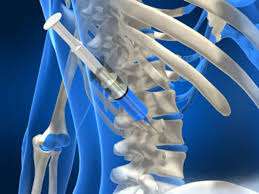
A hip labral tear affects the ring of cartilage surrounding the hip socket—often resulting from injury or repetitive stress on the hip joint itself. This problem can lead to significant discomfort during regular activities; hence prompt evaluation is vital!
- Typical symptoms entail groin pain alongside sensations of catching or locking within joints when moving about normally!
- Diagnosis often employs advanced imaging technologies such as MRI besides thorough physical assessments conducted by specialists knowledgeable about athletic injuries—important information informing effective treatment plans going forward!
TENNIS ELBOW TREATMENT
Tennis elbow refers to lateral epicondylitis—a painful condition caused by overuse of forearm muscles around the elbow joint. This condition can affect anyone engaged in repetitive arm movements rather than just tennis players!
- The most common signs are pain on the outer part of the elbow which may radiate down into the forearm during gripping activities or manual tasks.
- Diagnosis typically involves a detailed history along with physical examinations that reveal tenderness in specific areas. Imaging tests may assist if more serious conditions are suspected.
- Initial treatment approaches focus on rest, ice application, and anti-inflammatory medications.
- For those unresponsive to conservative care, methods like physical therapy or platelet-rich plasma (PRP) injections offer promising alternatives before resorting to surgical options.
- Ultimately these interventions aim at restoring full functionality while decreasing discomfort associated with daily routines.
With timely intervention through minimally invasive techniques success rates remain high among patients experiencing this debilitating issue!
PLANTAR FASCIITIS MANAGEMENT

This condition involves inflammation of the plantar fascia—the thick band that runs across the bottom of your foot. Effective management is crucial for reducing discomfort while improving function during activities such as walking or running.
- Main symptoms include sharp heel pain, especially after resting or getting up in the morning.
- A detailed physical examination helps identify specific areas of tenderness; diagnostic imaging may be used if necessary.
- Management often begins with conservative measures including stretching exercises, orthotic devices, and physical therapy aimed at strengthening foot muscles and easing inflammation.
- Corticosteroid injections may also be considered if initial treatments do not provide adequate relief.
- Consistent follow-up allows assessment of progress towards recovery while preventing recurrence.
Early identification leads to effective treatment strategies that significantly enhance quality of life.
CARPAL TUNNEL RELEASE

This procedure addresses carpal tunnel syndrome, a common condition that occurs due to nerve compression in the wrist. The release aims to relieve pressure on the median nerve and alleviate symptoms.
- Pain, numbness, and tingling sensations in fingers are typical manifestations associated with this condition.
- A thorough clinical examination alongside nerve conduction studies can confirm diagnosis effectively.
- Treatment options include splinting, activity modifications, or corticosteroid injections before considering surgical options such as endoscopic carpal tunnel release.
- The procedure is generally performed on an outpatient basis with minimal downtime required for recovery.
- Many patients report significant relief from symptoms following intervention and return to daily activities fairly quickly.
Surgical treatment has proven successful in restoring function for those suffering from persistent symptoms who do not respond well to conservative management.
SHOULDER IMPINGEMENT SYNDROME TREATMENT

This condition occurs when the tendons of the shoulder become irritated or inflamed due to excessive movement or contact with nearby structures. Treatment focuses on alleviating symptoms and restoring function.
- Main signs may include shoulder pain during overhead activities and limited range of motion.
- An orthopaedic evaluation combined with imaging tests such as ultrasound plays a crucial role in diagnosis.
- Conservative management options often start with physical therapy to strengthen the shoulder muscles and reduce inflammation.
- In some cases, corticosteroid injections might be recommended for temporary relief from pain.
- The goal of treatment is to minimize pain while improving mobility for daily tasks.
Early intervention can lead to optimal outcomes for those affected by this condition.
ARTHROSCOPIC KNEE SURGERY

Arthroscopic knee surgery is a minimally invasive procedure used to diagnose and treat various knee joint issues. It involves small incisions through which a camera and surgical instruments are inserted, allowing for precise intervention.
- Common symptoms include persistent knee pain, swelling, and reduced range of motion.
- Diagnosis typically involves imaging techniques like MRIs, alongside a physical examination by an orthopaedic surgeon.
- Treatment may involve repairing damaged ligaments or cartilage, removing loose bodies, or addressing other structural problems.
- Recovery usually entails physical therapy to regain strength and mobility in the knee.
- Patients can expect less pain and quicker recovery compared to traditional surgery methods.
This approach offers numerous benefits including reduced scarring and less postoperative discomfort.