
DR Sanjay
About Me
DR Sanjay
MS
Orthopaedic Surgeons
10 Years Experience
Biography
My Clinic
OPD Hours
| Monday | Morning | 10:00 AM | - | 02:00 PM |
| Evening | 06:00 PM | - | 09:00 PM | |
| Tuesday | Morning | 10:00 AM | - | 02:00 PM |
| Evening | 06:00 PM | - | 09:00 PM | |
| Wednesday | Morning | 10:00 AM | - | 02:00 PM |
| Evening | 06:00 PM | - | 09:00 PM | |
| Thursday | Morning | 10:00 AM | - | 02:00 PM |
| Evening | 06:00 PM | - | 09:00 PM | |
| Friday | Morning | 10:00 AM | - | 02:00 PM |
| Evening | 06:00 PM | - | 09:00 PM | |
| Saturday | Morning | 10:00 AM | - | 02:00 PM |
| Evening | 06:00 PM | - | 09:00 PM | |
| Sunday | Morning | 10:00 AM | - | 02:00 PM |
| Evening | 06:00 PM | - | 09:00 PM |
Treatments
Specialised care and treatments offered
NERVE CONDUCTION STUDIES
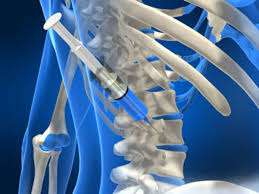
Nerve conduction studies assess how well electrical signals move through your nerves. They are particularly valuable when evaluating symptoms such as numbness or weakness that may indicate nerve damage or compression syndromes like Carpal Tunnel Syndrome.
- Painful sensations, tingling, or weakness are common symptoms reported by patients prior to testing.
- No special preparation is required; during testing electrodes are placed on your skin to measure nerve activity precisely while you relax comfortably with minimal discomfort experienced from stimuli applied during tests。
- Results help guide treatment approaches ranging from physical therapy solutions up through possible surgical interventions。
- The entire process usually takes about one hour,and you can expect clear guidance post-evaluation concerning follow-up steps moving ahead。
Nerve conduction studies represent an essential aspect of identifying peripheral nerve issues impacting patient quality of life comprehensively.
BONE DENSITY TEST

A bone density test measures the strength and mineral content of bones. This evaluation assists in diagnosing osteoporosis and assessing fracture risk among patients at risk due to age or other factors.
- Common symptoms signaling potential problems might include easy fractures or loss of height over time associated with weak bones.
- An easy-to-perform dual-energy X-ray absorptiometry (DEXA) scan diagnoses bone density levels accurately within moments.
- Treatment could involve lifestyle changes alongside medication if osteoporosis is diagnosed。
- Expect a brief visit lasting approximately 15 minutes with results available shortly after completion.
Regular screening enables early intervention strategies that significantly improve outcomes related to bone health.
ULTRASOUND FOR SOFT TISSUE EVALUATION

Ultrasound imaging is an effective method for examining soft tissue structures surrounding joints. It helps in identifying injuries to tendons and ligaments that may not be visible via other imaging modalities.
- Patients often present with soreness, tenderness, or limited range of motion in affected areas due to soft tissue injuries.
- A sonographer performs an ultrasound examination involving real-time imaging to assess these structures closely.
- Treatment may include rest, physical therapy, or injections based on the ultrasound findings.
- The procedure is painless and typically takes about 15-30 minutes to complete without any harmful effects from radiation exposure.
This non-invasive technique plays an essential role in diagnosing conditions affecting muscles and ligaments effectively.
CT SCAN FOR BONE TUMORS

A Computed Tomography (CT) scan offers detailed cross-sectional images of bones and soft tissues. This advanced imaging modality is crucial in evaluating suspected bone tumors or lesions.
- Symptoms may include localized pain or noticeable swelling in the affected area.
- This condition is diagnosed through CT imaging which provides a comprehensive look at both bone structure and surrounding tissues.
- Treatment options depend on the tumor type but might involve monitoring, surgery, or chemotherapy.
- The procedure typically lasts around 10-30 minutes and involves minimal discomfort while providing critical information for diagnosis.
The precision of CT scans enhances our understanding of complex orthopedic conditions such as tumors.
X-RAY FOR FRACTURE DETECTION

X-rays are commonly utilized to identify fractures or bone injuries. This imaging technique is quick and effective in providing an initial assessment of bone integrity.
- Commonly observed symptoms include pain, swelling, and inability to use the affected limb.
- An X-ray examination is performed wherein multiple views are taken to accurately diagnose any fractures.
- Treatment may involve immobilization with casts or splints, or surgical intervention in severe cases.
- You can expect results shortly after the X-ray, allowing for timely management of your injury.
The efficiency of X-rays makes them a first-line diagnostic tool in orthopaedics.
MRI FOR JOINT ASSESSMENT

Magnetic Resonance Imaging (MRI) is a pivotal diagnostic tool used in the evaluation of various joint conditions. It provides detailed images of soft tissue structures including ligaments, cartilage, and muscles, which are often not visible on traditional X-rays.
- Symptoms can include joint pain, swelling, and stiffness.
- Diagnosis is made through an MRI scan, interpreted by a trained specialist who evaluates the images for abnormalities.
- Treatment options vary from physical therapy to surgical intervention based on the findings.
- Expect to undergo the procedure without radiation exposure; it may take 30 to 60 minutes depending on the area being scanned.
MRI is a non-invasive procedure that significantly aids in determining the best treatment plan for various joint issues.