
DR SANJAY
About Me
DR SANJAY
MBBS
Oncologist
10 Years Experience
Biography
My Clinic
OPD Hours
| Monday | Morning | 10:00 AM | - | 02:00 PM |
| Evening | 06:00 PM | - | 09:00 PM | |
| Tuesday | Morning | 10:00 AM | - | 02:00 PM |
| Evening | 06:00 PM | - | 09:00 PM | |
| Wednesday | Morning | 10:00 AM | - | 02:00 PM |
| Evening | 06:00 PM | - | 09:00 PM | |
| Thursday | Morning | 10:00 AM | - | 02:00 PM |
| Evening | 06:00 PM | - | 09:00 PM | |
| Friday | Morning | 10:00 AM | - | 02:00 PM |
| Evening | 06:00 PM | - | 09:00 PM | |
| Saturday | Morning | 10:00 AM | - | 02:00 PM |
| Evening | 06:00 PM | - | 09:00 PM | |
| Sunday | Morning | 10:00 AM | - | 02:00 PM |
| Evening | 06:00 PM | - | 09:00 PM |
Treatments
Specialised care and treatments offered
NON-HODGKIN LYMPHOMA
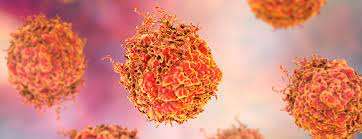
This diverse group of lymphatic system cancers affects lymphocytes causing swelling nodes fever weight lossand fatigue among symptoms.
PROSTATE CANCER
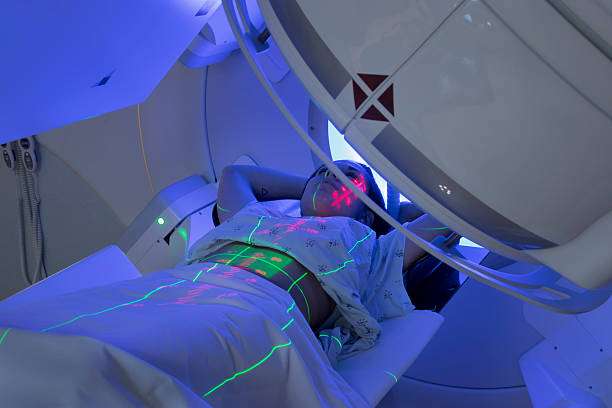
The prostate gland can develop malignant tumors typically affecting men over 50 years old. Many cases grow slowly but require surveillance or active treatment based on risk assessment.
COLORECTAL CANCER

This cancer originates in the colon or rectum and often develops from precancerous polyps over time. Screening plays a vital role in prevention and early detection.
- Epidemiology & Symptoms: Includes changes in bowel habits, blood in stool, abdominal discomfort; risk factors include age and diet.
- Diagnosis Tools:
Maintaining vigilance with routine screenings enhances timely intervention against colorectal cancer.
LEUKEMIA
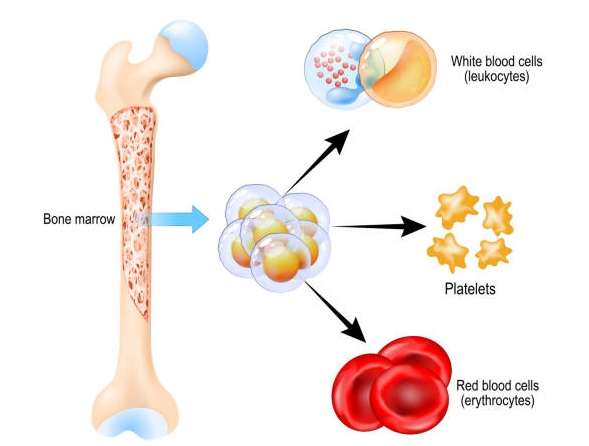
Leukemia is a group of blood cancers characterized by abnormal proliferation of white blood cells in the bone marrow. It requires specialized treatment protocols for optimal results.
- Causative Factors: Genetic abnormalities and exposure to radiation or chemicals may contribute to development.
- Signs & Diagnosis: Symptoms include fatigue, frequent infections, bleeding; diagnosed through blood tests and bone marrow biopsy.
- Treatment Strategies: Chemotherapy is primary; stem cell transplant may be considered for some types.
- Follow-up Care: Close monitoring is crucial due to potential relapse or treatment complications.
An informed understanding enables patients to actively participate in their treatment journey with improved outcomes.
LUNG CANCER
Lung cancer arises from abnormal cell growth in lung tissues and is often linked to smoking or environmental exposures. Early recognition improves treatment possibilities.
- Symptoms: Persistent cough, chest pain, weight loss, and breathlessness are common indicators.
- Diagnostic Methods: Chest X-rays, CT scans, sputum cytology, and biopsy confirm diagnosis.
- Treatments: Options include surgery, chemotherapy, radiation therapy, immunotherapy depending on cancer type and stage.
- Outlook: Treatment aims to control disease progression while maintaining quality of life with supportive care as needed.
A comprehensive approach including lifestyle modifications supports the management of lung cancer effectively.
BREAST CANCER
Breast cancer is one of the most common cancers affecting individuals worldwide. Early detection and appropriate treatment significantly improve outcomes.
- Symptoms and Causes: Lump in the breast, nipple discharge, or skin changes; caused by genetic mutations or hormonal factors.
- Diagnosis: Typically involves mammography, ultrasound, biopsy, and possibly MRI.
- Treatment Options: Surgery, radiation therapy, chemotherapy, hormone therapy, or targeted therapy depending on cancer stage and type.
- Management: Regular follow-ups to monitor for recurrence or manage side effects are essential.
Understanding breast cancer helps in recognizing early signs and adhering to treatments that enhance survival rates and quality of life.