
Dr Sanjay Kumar S
About Me
Dr Sanjay Kumar S
MBBS
General Physician
10 Years Experience
Biography
My Clinic
OPD Hours
| Monday | Morning | 10:00 AM | - | 02:00 PM |
| Evening | 06:00 PM | - | 09:00 PM | |
| Tuesday | Morning | 10:00 AM | - | 02:00 PM |
| Evening | 06:00 PM | - | 09:00 PM | |
| Wednesday | Morning | 10:00 AM | - | 02:00 PM |
| Evening | 06:00 PM | - | 09:00 PM | |
| Thursday | Morning | 10:00 AM | - | 02:00 PM |
| Evening | 06:00 PM | - | 09:00 PM | |
| Friday | Morning | 10:00 AM | - | 02:00 PM |
| Evening | 06:00 PM | - | 09:00 PM | |
| Saturday | Morning | 10:00 AM | - | 02:00 PM |
| Evening | 06:00 PM | - | 09:00 PM | |
| Sunday | Morning | 10:00 AM | - | 02:00 PM |
| Evening | 06:00 PM | - | 09:00 PM |
Treatments
Specialised care and treatments offered
EVALUATION & TREATMENT OF ANEMIA
Anemia is characterized by reduced red blood cell count or hemoglobin leading to decreased oxygen delivery across tissues. Identifying the underlying cause is essential for effective treatment planning.
- Clinical Signs: Fatigue, pallor, shortness of breath on exertion suggest anemia; nutritional deficiencies or chronic diseases often contribute causally.
- Laboratory Investigations: Complete blood count (CBC), iron studies help differentiate types such as iron-deficiency vs. megaloblastic anemia.
- Therapeutic Interventions: Addressing iron/vitamin B12 supplementation alongside treating any underlying condition forms mainstay approach.
- Follow-Up Protocols: Repeat blood testing monitors response ensuring normalization prior to discontinuing supplements.
Broad diagnostic evaluation allows tailored treatment regimens improving patients’ energy levels and overall wellbeing efficiently over time.
THYROID DISORDER EVALUATION & TREATMENT

The thyroid gland plays a crucial role in regulating metabolism through hormone production. Disorders affecting this gland can alter bodily functions significantly but are manageable once diagnosed correctly.
- Common Presentations: Patients may experience fatigue, weight fluctuations, temperature sensitivity linked with hypothyroidism or hyperthyroidism respectively.
- Diagnostic Tests: Blood tests measuring TSH levels along with free T3/T4 hormones establish thyroid status accurately.
- Treatment Plans: Depending on dysfunction type: hormone replacement therapy for underactive states versus antithyroid drugs or radioiodine ablation for overactivity.
- Monitoring: Regular endocrinological follow-up ensures therapeutic goals are met safely without side effects.
Early detection coupled with appropriate medical management restores hormonal balance leading to symptom resolution in most cases.
MANAGEMENT OF ACUTE GASTROENTERITIS
An infection causing inflammation of the stomach and intestines often leads to diarrhoea and vomiting. Prompt care prevents dehydration and potential complications especially in vulnerable populations.
- Syndrome Features: Presents with symptoms including nausea, abdominal cramps, watery stools; commonly transmitted via contaminated food or water sources.
- Differential Diagnosis: Stool analysis may identify causative pathogens such as viruses or bacteria guiding treatment decisions.
- Treatment Modalities: Rehydration therapy using oral fluids is paramount; antimicrobials reserved for confirmed bacterial infections only;
CHRONIC OBSTRUCTIVE PULMONARY DISEASE (COPD) MANAGEMENT
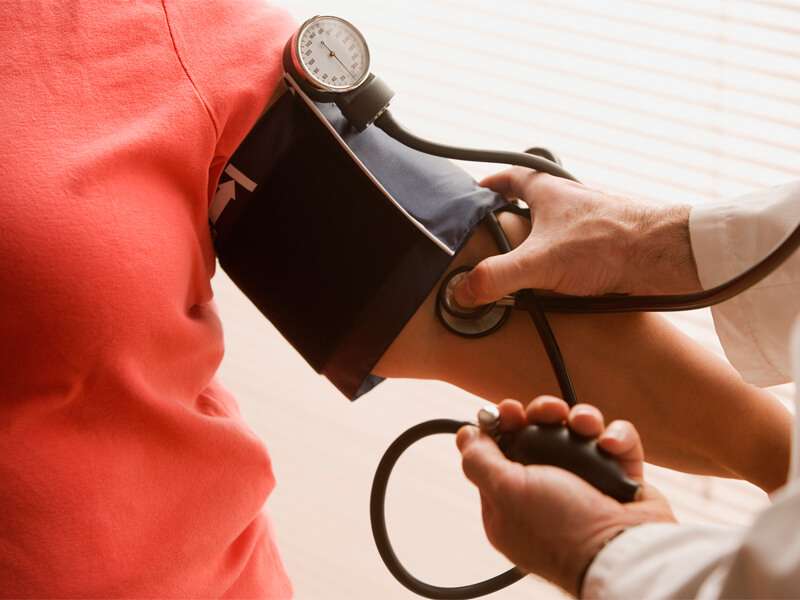
COPD is a progressive lung disease characterized by airflow limitation that interferes with normal breathing. Early intervention can slow disease progression and improve patient outcomes.
- Causes and Symptoms: Long-term exposure to irritants such as cigarette smoke causes symptoms like chronic cough, sputum production, and breathlessness.
- Diagnostic Processes: Spirometry testing confirms airflow obstruction; chest X-rays help assess lung condition.
- Treatment Approaches: Smoking cessation is critical; bronchodilators, inhaled steroids, pulmonary rehabilitation support symptom relief.
- Lifestyle Modifications: Vaccinations and avoidance of respiratory infections help prevent exacerbations (flare-ups).
An individualized management plan aims to enhance lung function capacity while reducing hospitalizations related to COPD exacerbations.
TYPE 2 DIABETES MELLITUS CARE

This metabolic disorder affects how the body processes glucose due to insulin resistance. Managing diabetes effectively helps avoid long-term damage to organs like the eyes, kidneys, and heart.
- Symptoms and Causes: Common manifestations include increased thirst, frequent urination, fatigue; risk factors include obesity and family history.
- Diagnosis: Blood tests such as fasting glucose levels and HbA1c percentages are essential for confirming diagnosis.
- Treatment Strategies: Combination of dietary regulation, physical activity, oral hypoglycemics or insulin therapy tailored to patient needs.
- Expectations: Routine monitoring of blood sugar at home alongside periodic clinical assessments is critical for avoiding complications.
A comprehensive care plan focusing on glycemic control improves quality of life while mitigating risks associated with uncontrolled diabetes.
HYPERTENSION MANAGEMENT

High blood pressure, or hypertension, is a common chronic condition that can lead to serious complications if left untreated. Understanding and managing this condition is essential for maintaining heart health and preventing strokes or kidney problems.
- Symptoms and Causes: Often called a "silent killer," hypertension typically has no symptoms but can be influenced by factors like genetics, diet, stress, and obesity.
- Diagnosis: Regular blood pressure readings over multiple visits confirm diagnosis; ambulatory blood pressure monitoring may also be used for accuracy.
- Treatment Options: Lifestyle modifications such as reduced salt intake, exercise, and weight loss are first-line; medications including ACE inhibitors or beta-blockers may be prescribed.
- Monitoring: Continuous follow-up consultations with periodic blood pressure checks are vital to ensure treatment efficacy and adjust therapy.
With proper adherence to medical advice and lifestyle changes, individuals can maintain controlled blood pressure levels and significantly reduce their risk of cardiovascular events.