
Dr Sanjay Goyal
About Me
Dr Sanjay Goyal
MS
Cardiothorocic Surgeon
10 Years Experience
Biography
My Clinic
OPD Hours
| Monday | Morning | 10:00 AM | - | 02:00 PM |
| Evening | 06:00 PM | - | 09:00 PM | |
| Tuesday | Morning | 10:00 AM | - | 02:00 PM |
| Evening | 06:00 PM | - | 09:00 PM | |
| Wednesday | Morning | 10:00 AM | - | 02:00 PM |
| Evening | 06:00 PM | - | 09:00 PM | |
| Thursday | Morning | 10:00 AM | - | 02:00 PM |
| Evening | 06:00 PM | - | 09:00 PM | |
| Friday | Morning | 10:00 AM | - | 02:00 PM |
| Evening | 06:00 PM | - | 09:00 PM | |
| Saturday | Morning | 10:00 AM | - | 02:00 PM |
| Evening | 06:00 PM | - | 09:00 PM | |
| Sunday | Morning | 10:00 AM | - | 02:00 PM |
| Evening | 06:00 PM | - | 09:00 PM |
Treatments
Specialised care and treatments offered
CARDIAC REHABILITATION PROGRAMS
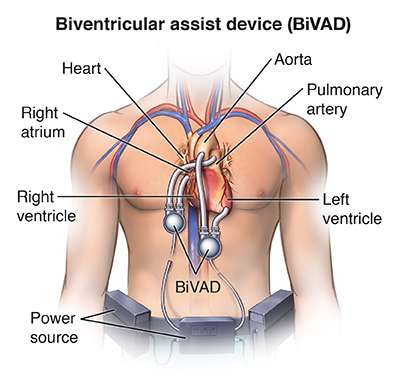
Cardiac rehabilitation programs are structured programs designed specifically for patients recovering from various cardiac events including surgeries or heart attacks. These programs aim at improving cardiovascular health through comprehensive care plans that incorporate physical activity nutrition guidance emotional support too!
- Benefits encompass improved fitness levels reduced chance recurrence related events significantly lowered overall stress state upon your entire wellbeing journey forward!
- Patient enrollment starts typically once stable following initial cardiac incidents which includes assessments evaluating current conditions before starting any routines appropriately customized here afterwards within safe parameters established too.*
- The main components revolve around incorporating moderate exercises nutritional education among physiotherapy restoration aspects working closely alongside multidisciplinary teams throughout course settings targeted wisely each individual participant’s needs likewise!
- Regular check-ups ensure progress tracking demonstrating positive advancements made returning healthier lifestyles beyond previous limitations faced previously earlier stages down lines ahead thereafter completing overall their pathways achieving total wellness goals achieved post-care finished successfully resulting afterwards positively reinforcing healthy habits maintained well past treatments completed now onward forward respectively!
Ultimately these valuable resources offer educational tools pave new roads towards flourishing living lives intended meanwhile creating supportive environments promoting lasting change facilitating accelerated recoveries possible encouraging sustained improvements experienced throughout long-term periods thereafter enjoyed together merrily henceforth moving forward victoriously ahead undoubtedly!
PERIPHERAL ARTERY DISEASE SCREENING
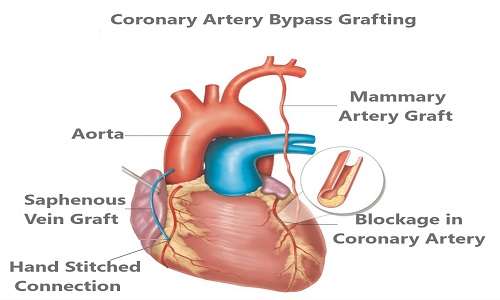
Peripheral Artery Disease (PAD) affects blood vessels outside the heart and can lead to circulatory problems in limbs. Regular screening is essential, particularly for those with risk factors such as smoking or diabetes.
- PAD might present as cramping in legs during physical activity due to reduced blood flow; thus awareness of symptoms is critical for early diagnosis.
- Doppler ultrasound tests are commonly performed to measure blood flow issues through arteries indicative of peripheral artery disease severity levels.
- If diagnosed early enough, treatment options generally focus on lifestyle changes like increased exercise alongside potential medications aimed at improving circulation quality.{/ li}
- Surgical interventions, such as angioplasty or bypass operations may be necessary if conventional methods fail to manage symptoms effectively.
Engaging in routine screenings helps mitigate risks associated directly linked towards progressive vascular diseases over time.
MITRAL VALVE PROLAPSE TREATMENT
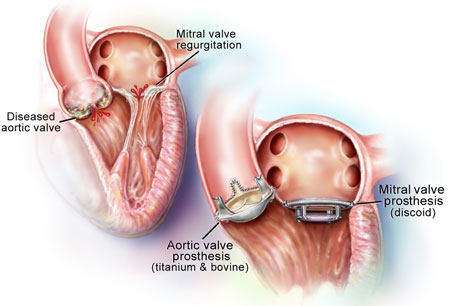
Mitral valve prolapse occurs when the mitral valve leaflets bulge into the left atrium during contraction. While it may not always cause problems, some patients experience significant symptoms that require management strategies.
- The common symptoms may include palpitations, dizziness, or shortness of breath depending on severity and associated conditions like mitral regurgitation.
- An echocardiogram is typically utilized for diagnosis, providing clear images of how well the valve functions under normal circumstances.
- Treatment options can range from watchful waiting in mild cases to medications that help manage symptoms; some individuals might ultimately require surgical intervention if symptoms are severe enough.
- Pacing oneself after treatment helps ensure better outcomes and recovery experiences for patients undergoing surgery for this condition.
This condition can typically be managed effectively with appropriate medical care tailored to individual patient needs.
AORTIC ANEURYSM REPAIR
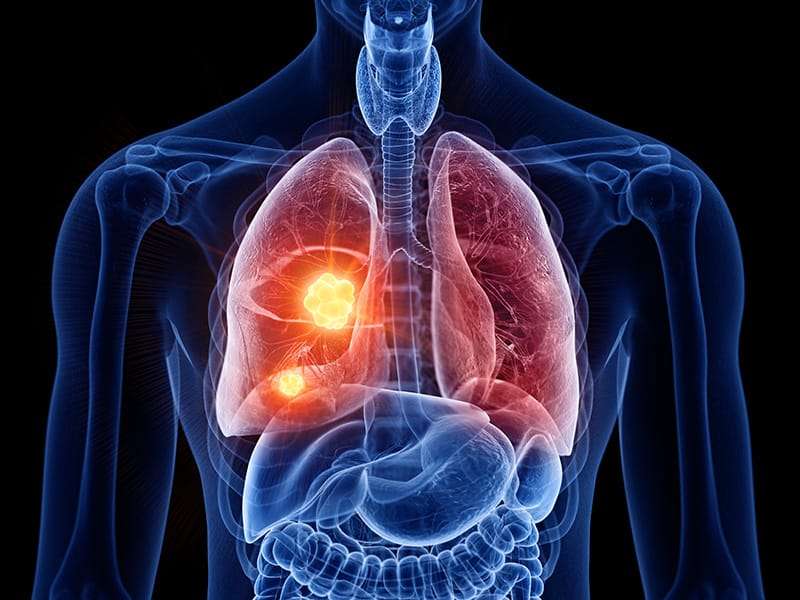
An aortic aneurysm occurs when there is an abnormal bulging in the wall of the aorta, which can lead to life-threatening complications if it ruptures. Timely intervention is crucial in managing this serious condition.
- The typical symptoms may include sharp chest or back pain; however, many individuals remain asymptomatic until an emergency situation arises.
- Aneurysms are diagnosed using imaging tests such as ultrasound or CT scans that visualize the size and extent of the aneurysm.
- Management often involves monitoring small aneurysms with regular imaging; larger ones usually require surgical repair either through open surgery or endovascular techniques.
- Patients recovering from repair procedures will need follow-up appointments to monitor their heart health ongoingly.
Surgical repair greatly reduces risks associated with aortic rupture while enhancing long-term survival prospects.
MINIMALLY INVASIVE HEART SURGERY
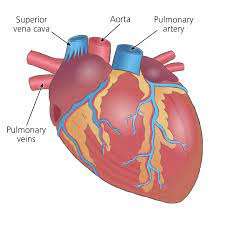
This innovative approach focuses on performing heart surgeries through smaller incisions rather than large openings. Minimally invasive techniques result in reduced recovery time and less pain for patients.
- Common indications for this type of surgery include valve repairs or replacements.
- Diagnosis often requires detailed imaging studies such as CT scans or MRIs to determine the exact issues within the heart.
- Treatment options vary but can include robotic surgery or endoscopic procedures designed for specific heart conditions.
- Patients can expect quicker recovery periods compared to traditional methods, with many resuming normal activities within weeks.
This method not only promotes faster healing but also minimizes scarring and complications during recovery.
CORONARY ARTERY BYPASS GRAFTING (CABG)
Coronary Artery Bypass Grafting, commonly referred to as CABG, is a surgical procedure aimed at improving blood flow to the heart. It is often recommended for patients with severe coronary artery disease where arteries are obstructed.
- Symptoms associated with the condition can include chest pain, shortness of breath, and fatigue during exertion.
- The diagnosis typically involves tests like angiograms, stress tests, and echocardiograms to assess the severity of artery blockages.
- Treatment may involve lifestyle changes, medication, and ultimately surgery to bypass blocked arteries using vessels taken from other body parts.
- Post-surgery expectations include monitored recovery in a hospital setting and gradual return to daily activities under medical advice.
This procedure significantly reduces the risk of heart attacks and enhances overall heart health.