
Dr Sanjay Agarwa
About Me
Dr Sanjay Agarwa
MBBS
General Physician
10 Years Experience
Biography
My Clinic
OPD Hours
| Monday | Morning | 10:00 AM | - | 02:00 PM |
| Evening | 06:00 PM | - | 09:00 PM | |
| Tuesday | Morning | 10:00 AM | - | 02:00 PM |
| Evening | 06:00 PM | - | 09:00 PM | |
| Wednesday | Morning | 10:00 AM | - | 02:00 PM |
| Evening | 06:00 PM | - | 09:00 PM | |
| Thursday | Morning | 10:00 AM | - | 02:00 PM |
| Evening | 06:00 PM | - | 09:00 PM | |
| Friday | Morning | 10:00 AM | - | 02:00 PM |
| Evening | 06:00 PM | - | 09:00 PM | |
| Saturday | Morning | 10:00 AM | - | 02:00 PM |
| Evening | 06:00 PM | - | 09:00 PM | |
| Sunday | Morning | 10:00 AM | - | 02:00 PM |
| Evening | 06:00 PM | - | 09:00 PM |
Treatments
Specialised care and treatments offered
THYROID DISORDER EVALUATION
The thyroid gland regulates many metabolic processes. Disorders may present subtly but have widespread effects warranting early recognition through systematic evaluation.
An individualized regimen guided by periodic assessment ensures effective management mitigating potential complications.
ACUTE BRONCHITIS CARE

This respiratory tract infection leads to inflammation of the bronchial tubes causing cough with mucus production. Though often self-limiting, appropriate management eases symptoms swiftly.
- Causative factors & symptoms: Usually viral origin; presents with persistent cough, chest discomfort, mild fever, wheezing;
- Diagnosis approaches:: Clinical examination supported by chest auscultation; imaging reserved for complicated cases;
- Treatment modalities: Symptomatic relief through hydration, rest; bronchodilators if wheezing; antibiotics typically not required unless bacterial superinfection suspected;
PEPTIC ULCER DISEASE TREATMENT

An ulcer in the stomach lining or upper small intestine can cause discomfort requiring mindful treatment. Identifying contributing factors is key for effective relief.
- Epidemiology: Commonly linked to Helicobacter pylori infection or prolonged NSAID use; symptoms include burning stomach pain and indigestion.
- Diagnostic procedures: Endoscopy allows direct visualization; breath or stool tests detect H. pylori presence.
- Therapeutic interventions: Combination antibiotic regimens eradicate infection; proton pump inhibitors reduce acid production aiding healing;
- Lifestyle advice: Avoiding spicy foods, alcohol, smoking cessation support ulcer resolution;
A comprehensive approach combining medication with lifestyle changes promotes healing and prevents recurrence of peptic ulcers effectively.
CHRONIC OBSTRUCTIVE PULMONARY DISEASE (COPD) MANAGEMENT
COPD is a progressive lung disease characterized by airflow limitation that impairs breathing. Managing this condition demands comprehensive evaluation and treatment tailored to severity.
- Causes and presentation: Primarily caused by long-term smoking; symptoms include chronic cough, breathlessness, and sputum production.
- Diagnosis methods: Spirometry tests measure lung function while chest X-rays help assess the extent of damage.
- Treatment approaches: Smoking cessation stands as the cornerstone; bronchodilators, corticosteroids, pulmonary rehabilitation, and oxygen therapy also play roles.
- Lifestyle adjustments: Patients learn breathing techniques and energy conservation strategies to improve daily functioning.
An integrated care plan helps slow progression of COPD and enhances respiratory capacity for better patient outcomes.
DIABETES MELLITUS TYPE 2 CARE

Diabetes Type 2 results from the body's ineffective use of insulin, causing elevated blood sugar levels that require careful attention. Early intervention can help avoid long-term health problems.
- Causes and symptoms: Insulin resistance often arises due to obesity or sedentary lifestyle; symptoms may include increased thirst, frequent urination, and fatigue.
- Diagnostic criteria: Blood tests such as fasting glucose or HbA1c levels are used for confirmation and monitoring.
- Treatment strategies: Incorporate dietary changes, regular physical activity, oral hypoglycemic agents, and sometimes insulin therapy depending on severity.
- Expected outcomes: Proper management aims to maintain glycemic control and prevent complications like neuropathy or cardiovascular disease.
Lifelong commitment to managing diabetes is vital for preserving quality of life and minimizing risks.
HYPERTENSION MANAGEMENT
Maintaining healthy blood pressure levels is crucial for overall well-being, as uncontrolled hypertension can lead to serious complications. This condition often develops silently and requires ongoing care.
- Symptoms and causes: Often asymptomatic, high blood pressure may be linked to genetics, lifestyle factors such as diet and exercise, or underlying health disorders.
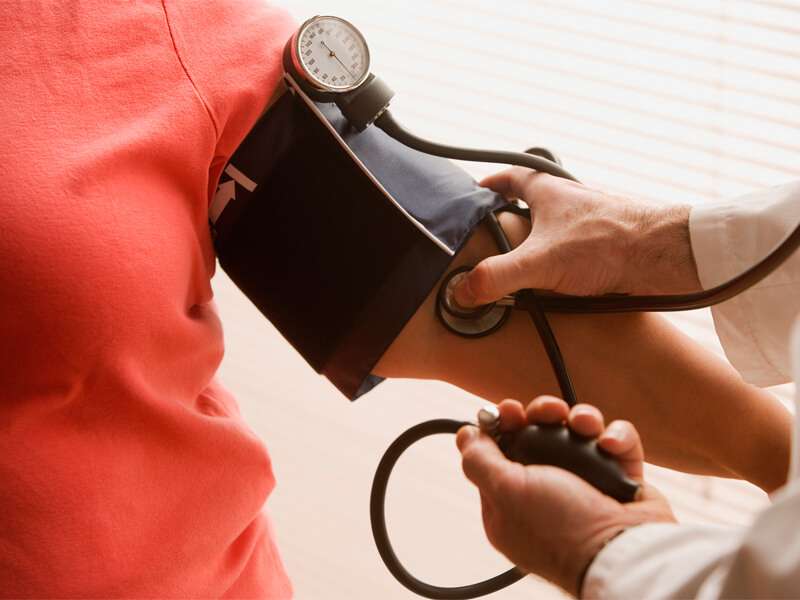
- Diagnosis: Accurate measurement using a sphygmomanometer over multiple visits confirms the diagnosis, sometimes supplemented by ambulatory monitoring.
- Treatment options: Lifestyle modifications including diet, exercise, weight management, and pharmacologic treatments like ACE inhibitors or beta-blockers are commonly employed.
- Monitoring and management: Regular follow-ups assess treatment efficacy and adjust medications to prevent complications like stroke or heart disease.
A personalized approach is essential to effectively control high blood pressure and reduce risks associated with this condition.