
Dr Sangram Singh
About Me
Dr Sangram Singh
MBBS
Cardiologist
10 Years Experience
Biography
My Clinic
OPD Hours
| Monday | Morning | 10:00 AM | - | 02:00 PM |
| Evening | 06:00 PM | - | 09:00 PM | |
| Tuesday | Morning | 10:00 AM | - | 02:00 PM |
| Evening | 06:00 PM | - | 09:00 PM | |
| Wednesday | Morning | 10:00 AM | - | 02:00 PM |
| Evening | 06:00 PM | - | 09:00 PM | |
| Thursday | Morning | 10:00 AM | - | 02:00 PM |
| Evening | 06:00 PM | - | 09:00 PM | |
| Friday | Morning | 10:00 AM | - | 02:00 PM |
| Evening | 06:00 PM | - | 09:00 PM | |
| Saturday | Morning | 10:00 AM | - | 02:00 PM |
| Evening | 06:00 PM | - | 09:00 PM | |
| Sunday | Morning | 10:00 AM | - | 02:00 PM |
| Evening | 06:00 PM | - | 09:00 PM |
Treatments
Specialised care and treatments offered
LIFESTYLE COUNSELING FOR CARDIOVASCULAR HEALTH

A vital aspect of cardiovascular care involves guiding patients toward adopting healthier daily habits that reduce disease risks over time. This preventive approach has broad benefits beyond medication alone.
- Focus areas covered: Dietary planning emphasizing heart-friendly nutrients such as omega-3 fatty acids while limiting trans fats/sugars improves vascular function.
- Physical activity guidance: Encouraging consistent aerobic exercises tailored individually helps maintain optimal weight control along with strengthening cardiac muscles.
- Stress management techniques: Incorporating mindfulness practices supports lowering harmful stress hormone levels linked to increased cardiovascular events incidence.
- Smoking cessation support: Advice regarding quitting tobacco use plays a crucial role since smoking drastically accelerates arterial damage leading to myocardial infarction risk elevation.
Regular counseling ensures sustained motivation enabling successful lifestyle transformations contributing significantly toward long-term cardiac wellness.
HEART FAILURE MONITORING
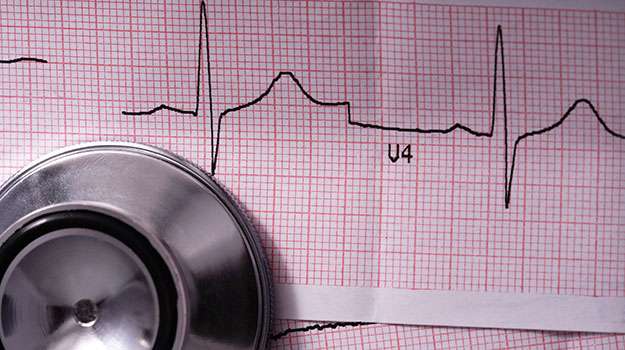
This chronic condition occurs when the heart cannot pump blood efficiently enough to meet the body's needs. Early recognition of worsening symptoms aids better management outcomes.
- Causal factors include:The aftermath of heart attacks, uncontrolled hypertension or valve diseases often contribute to reduced cardiac output causing heart failure symptoms.
- Symptoms tracked: Breathlessness on exertion, swelling in ankles/legs (edema), fatigue signals declining cardiac function requiring attention.
- Diagnostic tests: Echocardiograms measure ejection fraction while blood biomarkers such as BNP assist severity assessment helping guide therapy intensity.
- Management options: Lifestyle adjustments including sodium restriction accompanied by medications like diuretics/ACE inhibitors improve quality of life significantly.
Continuous follow-up enables optimization of therapy aiming at symptom relief along with hospitalisation prevention.
ELECTROCARDIOGRAM (ECG) TESTING
The ECG is a painless diagnostic tool that records the electrical activity of the heart. It helps detect irregularities in rhythm or damage to heart muscle tissue quickly and accurately.
- Pain-free procedure: Electrodes placed on the skin capture signals without discomfort or radiation exposure involved.
- Disease indicators detected: Arrhythmias like atrial fibrillation, previous heart attacks, or electrolyte imbalances are identifiable via ECG patterns.
- Simplicity & availability: Quick procedure typically completed within minutes during cardiology consultations or routine screenings.
- Treatment implications: Abnormal findings warrant further investigations such as Holter monitoring or echocardiography for deeper insights into cardiac function.
This test forms an essential part of cardiac evaluations facilitating prompt diagnosis for numerous conditions affecting heart rhythm and structure.
CORONARY ARTERY DISEASE EVALUATION
A condition where the coronary arteries narrow due to plaque accumulation can cause chest pain and increase heart attack risk. Early detection is crucial for effective management.
- Main causes: Atherosclerosis stemming from high cholesterol, smoking, diabetes, or hypertension usually leads to blockage in coronary arteries.
- Diagnostic tools: Stress tests, electrocardiograms (ECG), echocardiograms, and coronary angiography help assess artery health.
- Treatment approaches: Lifestyle modification combined with medications like antiplatelets or beta-blockers; severe cases may require angioplasty or bypass surgery.
- Lifestyle advice: Adopting a heart-healthy diet rich in fruits and vegetables along with exercise reduces progression risk.
A timely evaluation supports appropriate interventions that prevent complications associated with narrowed coronary vessels.
CHOLESTEROL SCREENING AND MANAGEMENT
Maintaining healthy cholesterol levels is essential in preventing heart disease. Elevated cholesterol can cause plaque buildup in arteries leading to reduced blood flow.
- Risk factors: Poor diet, sedentary lifestyle, obesity, and family history contribute to high cholesterol levels.
- Screening methods: A simple blood test called a lipid profile measures LDL, HDL, and triglycerides to evaluate risk.
- Treatment strategies: Dietary changes focusing on reducing saturated fats, regular exercise, and medications like statins help control cholesterol.
- Lifestyle impacts: Quitting smoking and managing weight also improve lipid profiles effectively.
Early identification through screening allows tailored interventions that reduce long-term cardiovascular risks effectively.
HYPERTENSION MANAGEMENT
High blood pressure, or hypertension, is a common condition that can lead to serious heart complications if left untreated. Understanding and managing blood pressure is key to maintaining heart health and preventing strokes.
- Symptoms and causes: Often called the "silent killer," hypertension may have no obvious symptoms but can result from poor diet, stress, genetics, or lifestyle factors.
- Diagnosis: Regular monitoring through blood pressure measurements during routine exams helps detect elevated levels early.
- Treatment options: Lifestyle modifications like reducing salt intake, exercising regularly, and medications such as ACE inhibitors or beta-blockers are common approaches.
- Monitoring and follow-up: Consistent checkups ensure treatment effectiveness and adjustment if needed.
Managing hypertension proactively significantly lowers the risk of heart attacks and strokes, promoting overall cardiovascular wellbeing.