
Dr Sandeep Tiwari
About Me
Dr Sandeep Tiwari
MBBS
General Physician
10 Years Experience
Biography
My Clinic
OPD Hours
| Monday | Morning | 10:00 AM | - | 02:00 PM |
| Evening | 06:00 PM | - | 09:00 PM | |
| Tuesday | Morning | 10:00 AM | - | 02:00 PM |
| Evening | 06:00 PM | - | 09:00 PM | |
| Wednesday | Morning | 10:00 AM | - | 02:00 PM |
| Evening | 06:00 PM | - | 09:00 PM | |
| Thursday | Morning | 10:00 AM | - | 02:00 PM |
| Evening | 06:00 PM | - | 09:00 PM | |
| Friday | Morning | 10:00 AM | - | 02:00 PM |
| Evening | 06:00 PM | - | 09:00 PM | |
| Saturday | Morning | 10:00 AM | - | 02:00 PM |
| Evening | 06:00 PM | - | 09:00 PM | |
| Sunday | Morning | 10:00 AM | - | 02:00 PM |
| Evening | 06:00 PM | - | 09:00 PM |
Treatments
Specialised care and treatments offered
SEASONAL ALLERGIC RHINITIS TREATMENT
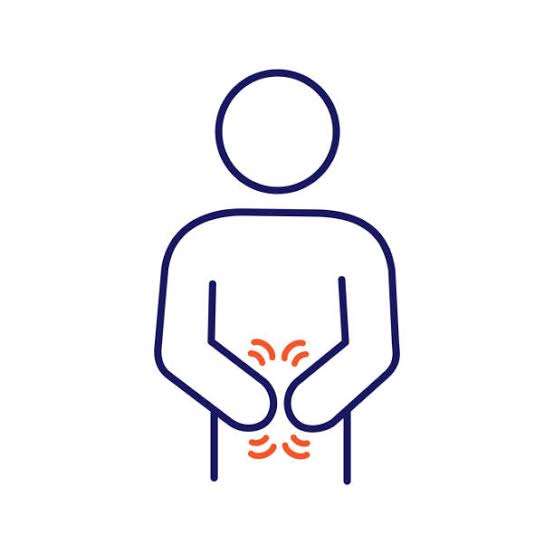
This condition involves inflammation of nasal passages caused by allergens like pollen during certain seasons. It commonly affects comfort but is manageable with appropriate strategies.
OBESITY MANAGEMENT

The rising prevalence of obesity poses significant risks for many chronic diseases including diabetes and heart conditions. Effective management requires sustained lifestyle interventions combined with medical support where appropriate.
- Main Contributors & Symptoms: Excessive body fat accumulation often linked to sedentary habits and high-calorie diets; may lead to breathlessness and joint pain; Evidenced-Based Approaches: Incorporating structured dietary plans focused on calorie reduction alongside increased physical activity form the foundation; < li > < strong>Mental Health Aspect: Behavioral counseling supports motivation & adherence; < li > < strong>If Required: Pharmacological agents might be considered under professional supervision; surgery reserved for severe cases;< p > Comprehensive weight management programs empower individuals towards healthier lifestyles improving quality of life sustainably.
ANEMIA EVALUATION AND MANAGEMENT
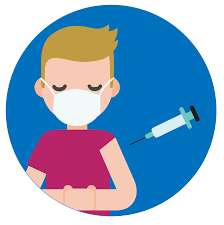
Anemia occurs when there are insufficient red blood cells or hemoglobin to carry adequate oxygen throughout the body. It can affect energy levels and overall health significantly if untreated.
- Spectrum of Causes/Symptoms: Fatigue, pallor, dizziness; causes include nutritional deficiencies (iron, B12), chronic diseases, or blood loss.
- Diagnostic Testing: Complete blood count (CBC) along with iron studies identify the type of anemia present.
- Treatment Modalities: Addressing underlying causes—such as supplements for deficiency or treatment of chronic conditions—is key;
- Nutritional Guidance: Balanced diet rich in iron sources supports recovery alongside medical treatment when necessary.
A personalized approach assists patients in restoring healthy hemoglobin levels efficiently while preventing recurrence whenever possible.
CHRONIC OBSTRUCTIVE PULMONARY DISEASE (COPD) CARE
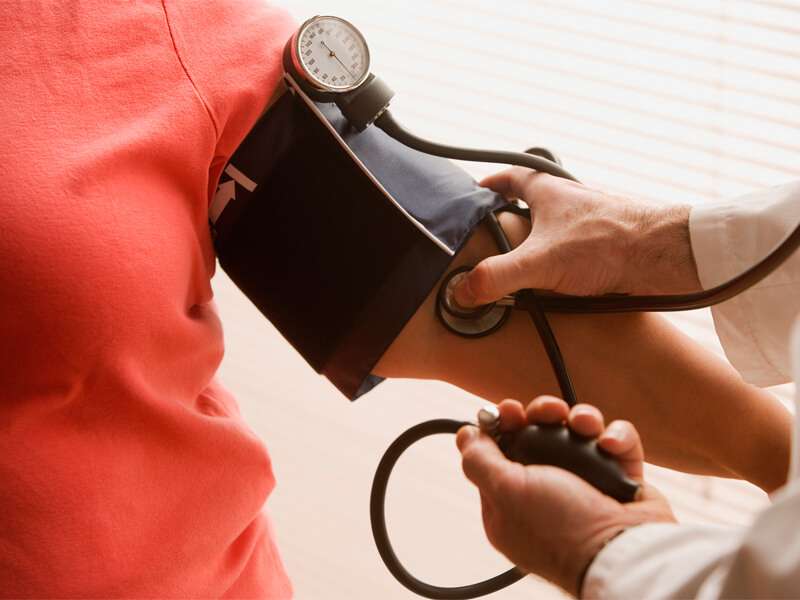
COPD is a progressive lung disease that limits airflow and makes breathing difficult. It typically results from long-term exposure to irritating gases or particulate matter, most often from cigarette smoke.
- Symptoms & Causes: Chronic cough, shortness of breath, wheezing; primary cause is smoking tobacco over many years.
- Diagnostic Tools: Lung function tests (spirometry) are essential for assessing severity.
- Treatment Strategies: Smoking cessation programs are critical; bronchodilators and steroids help manage symptoms;
- Pulmonary Rehabilitation: Exercise training improves breathing efficiency; oxygen therapy may be necessary in advanced stages.
COPD management focuses on symptom control and slowing progression through tailored therapies combined with lifestyle changes.
TYPE 2 DIABETES MONITORING

Type 2 diabetes is a chronic metabolic disorder marked by high blood sugar due to insulin resistance. Managing the condition requires a comprehensive strategy involving diet, exercise, and medication when needed.
- Symptoms/Causes: Increased thirst, frequent urination, fatigue; primarily linked to obesity and sedentary lifestyle.
- Diagnosis Methods: Blood tests such as fasting glucose or HbA1c levels confirm the diagnosis.
- Treatment Approach: Dietary modifications focusing on low glycemic index foods, regular exercise routines, oral hypoglycemics or insulin therapy in some cases.
- Lifestyle Tips: Weight loss and avoiding smoking improve outcomes significantly.
The goal of managing type 2 diabetes is to regulate blood sugar levels effectively to prevent complications like neuropathy or cardiovascular disease through ongoing care.
HYPERTENSION MANAGEMENT
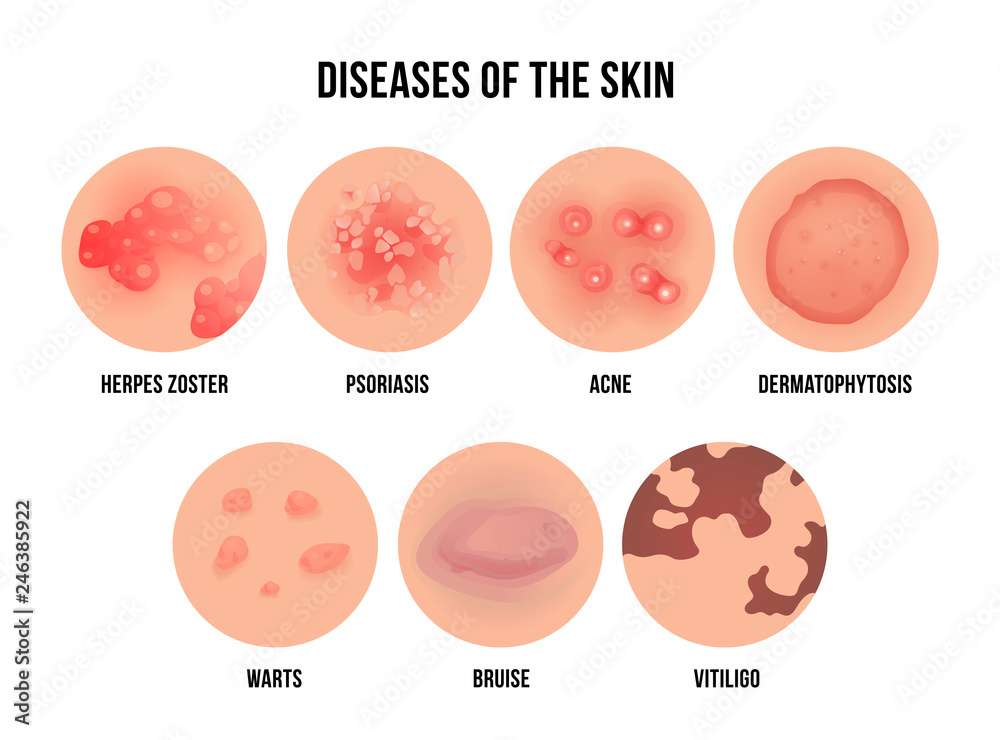
High blood pressure, or hypertension, is a common condition that can lead to serious health complications if left untreated. It often develops over many years and requires ongoing management to prevent heart disease and stroke.
- Symptoms and Causes: Often called the 'silent killer,' it may show no symptoms but can be caused by genetics, poor diet, stress, and lack of exercise.
- Diagnosis: Regular blood pressure monitoring through clinical visits or home devices is essential for diagnosis.
- Treatment Options: Lifestyle changes like reduced salt intake, increased physical activity, and weight management are first-line treatments, supplemented by medications if necessary.
- Management Expectations: Consistent monitoring and adherence to prescribed therapy can effectively control blood pressure levels and reduce risks.
A proactive approach combining lifestyle adaptations with medical treatment helps maintain healthy blood pressure and supports overall cardiovascular wellness.