
Dr Sandeep Nijhaw
About Me
Dr Sandeep Nijhaw
MD
Cardiologist
10 Years Experience
Biography
My Clinic
OPD Hours
| Monday | Morning | 10:00 AM | - | 02:00 PM |
| Evening | 06:00 PM | - | 09:00 PM | |
| Tuesday | Morning | 10:00 AM | - | 02:00 PM |
| Evening | 06:00 PM | - | 09:00 PM | |
| Wednesday | Morning | 10:00 AM | - | 02:00 PM |
| Evening | 06:00 PM | - | 09:00 PM | |
| Thursday | Morning | 10:00 AM | - | 02:00 PM |
| Evening | 06:00 PM | - | 09:00 PM | |
| Friday | Morning | 10:00 AM | - | 02:00 PM |
| Evening | 06:00 PM | - | 09:00 PM | |
| Saturday | Morning | 10:00 AM | - | 02:00 PM |
| Evening | 06:00 PM | - | 09:00 PM | |
| Sunday | Morning | 10:00 AM | - | 02:00 PM |
| Evening | 06:00 PM | - | 09:00 PM |
Treatments
Specialised care and treatments offered
LIFESTYLE MODIFICATIONS FOR CARDIAC HEALTH

Making strategic lifestyle changes is pivotal in preventing and managing various heart conditions. Adopting healthier habits can influence long-term cardiac outcomes positively!
- Symptoms : While pre-existing ailments might show no visible signs quickly adaptative measures reflect prominently instead as overall body fitness improves .
< STRONG CLASS='highlight'>Management Strategies Include :
STRESS MANAGEMENT FOR HEART HEALTH
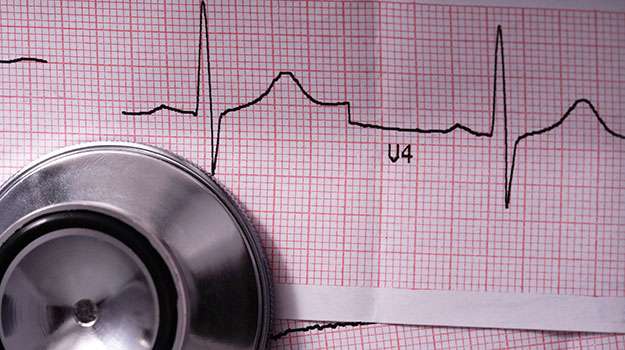
Coping with stress effectively plays an essential role in overall heart health. Chronic stress can adversely affect the cardiovascular system if not managed properly.
- Symptoms : Indications include irritability , anxiety , increased blood pressure levels ;
- DIGNAOSIS : A comprehensive review usually based on self-reported feelings alongside clinical observations .
- Treatment /Management : Incorporating relaxation techniques , physical exercises regularly including mindfulness practices proves beneficial enabling healthier coping mechanisms .
- What To Expect : Patients who engage actively report improvements in emotional well-being leading ultimately healthier lifestyles .
ATRIAL FIBRILLATION MANAGEMENT
Atrial fibrillation (AFib) is an irregular heartbeat that can increase the risk of strokes. Effective management strategies are vital for minimizing these risks and maintaining normal heart function.
- Symptoms: Palpitations, dizziness, shortness of breath or fatigue during activities are commonly reported by patients with AFib.
- Causes:This condition may arise from stress on the heart due to conditions like hypertension or coronary artery disease among other factors.
HEART FAILURE MANAGEMENT
Heart failure is a chronic condition where the heart struggles to pump blood effectively. Understanding its management can significantly improve quality of life for those affected.
- Symptoms: Common signs include shortness of breath, fatigue, and swollen legs or ankles due to fluid retention.
- Causes: Conditions like coronary artery disease or high blood pressure often contribute to heart failure development.
- Diagnosis: Diagnosis involves physical exams along with tests like echocardiograms and chest X-rays.
- Treatment: Strategies focus on medication adherence while encouraging dietary changes—like reducing sodium intake—and engaging in supervised physical activity plans tailored for each individual’s limitations.
- What to Expect:The goal is managing symptoms effectively while enhancing daily functioning through appropriate therapies and regular follow-ups with your healthcare team.
A collaborative approach with healthcare professionals helps patients navigate living well with heart failure while managing their condition thoughtfully.
CHOLESTEROL MANAGEMENT
High cholesterol levels are a significant risk factor for heart disease and stroke. Understanding how to manage cholesterol is crucial for maintaining cardiovascular health.
- Symptoms: Often presents no symptoms; thus, regular testing is recommended.
- Causes: Diet high in saturated fats, lack of physical activity, and genetic factors play a role in elevated cholesterol levels.
- Diagnosis: Lipid panels are performed as part of routine health assessments to check cholesterol levels.
- Treatment: Lifestyle changes such as adopting a diet rich in fruits, vegetables, whole grains, and lean proteins can help lower cholesterol. In some cases, medications may be necessary.
- What to Expect: Regular follow-up tests will help track progress in lowering cholesterol levels over time.
You can greatly reduce your risk for cardiovascular issues by prioritizing healthy lifestyle choices related to cholesterol management.
HYPERTENSION MANAGEMENT
Hypertension, or high blood pressure, is a common condition that can lead to serious health issues if left untreated. Managing hypertension effectively often requires lifestyle changes and sometimes medication.
- Symptoms: Often asymptomatic but may include headaches or dizziness.
- Causes: Contributing factors include obesity, a sedentary lifestyle, and excessive salt intake.
- Diagnosis: Typically diagnosed through regular blood pressure monitoring during medical check-ups.
- Treatment: Lifestyle modifications such as a heart-healthy diet, regular exercise, and weight management are essential. Medications may also be prescribed based on individual needs.
- What to Expect: With consistent management, individuals can expect to maintain healthy blood pressure levels and reduce the risk of complications like heart disease.
A proactive approach to managing hypertension can significantly enhance one's quality of life and overall health.