
Dr Sandeep Chauhan
About Me
Dr Sandeep Chauhan
MBBS
General Physician
10 Years Experience
Biography
My Clinic
OPD Hours
| Monday | Morning | 10:00 AM | - | 02:00 PM |
| Evening | 06:00 PM | - | 09:00 PM | |
| Tuesday | Morning | 10:00 AM | - | 02:00 PM |
| Evening | 06:00 PM | - | 09:00 PM | |
| Wednesday | Morning | 10:00 AM | - | 02:00 PM |
| Evening | 06:00 PM | - | 09:00 PM | |
| Thursday | Morning | 10:00 AM | - | 02:00 PM |
| Evening | 06:00 PM | - | 09:00 PM | |
| Friday | Morning | 10:00 AM | - | 02:00 PM |
| Evening | 06:00 PM | - | 09:00 PM | |
| Saturday | Morning | 10:00 AM | - | 02:00 PM |
| Evening | 06:00 PM | - | 09:00 PM | |
| Sunday | Morning | 10:00 AM | - | 02:00 PM |
| Evening | 06:00 PM | - | 09:00 PM |
Treatments
Specialised care and treatments offered
PNEUMONIA

Pneumonia is an infection that inflames the air sacs in one or both lungs. These air sacs may fill with fluid or pus which impairs normal breathing functions.
- Symptoms : Typical signs include cough (which may produce greenish-yellow phlegm ),fever,chills,enlarged lymph nodes,targeting those affected needing urgent medical care promptly .
- Causes : Various pathogens including bacteria( Streptococcus pneumoniae )or viruses(influenza )can lead to pneumonia through inhalation routes leading either mild illnesses requiring outpatient therapy ,hospitalization necessary when severe presenting symptoms exist .
- Diagnosis : A thorough physical examination along chest X-ray imaging aids detection confirming whether pathogen responsible was bacterial versus viral etiology .
- Treatment options : Treatment protocols typically involve antibiotics for bacterial cases while supportive therapies focusing on alleviating symptoms helpful too aiding quicker resolutions overall outcomes being encouraging generally speaking overall too due diligence helps minimize complications later on down line further ahead entirely speaking overall underside included thereafter within process following steps undertaken thus involved therein hence forward hereinafter continuing forth henceforth combined cumulatively concerning relevance thereunto towards successive future objectively categorically therein feasible conditions accomplished directionally respective enhancing transparency vis-a-vis pervading clarity harmonious accord reassuring comprehension forefront assuredly termed effortless breezy actually seamless really forward-thinking pragmatically applied throughout positively unwavering entrusted sourced routinely necessitating appropriateness parallel accordingly.
ACUTE GASTROENTERITIS

Acute gastroenteritis refers to inflammation of the stomach and intestines leading to diarrhea and vomiting. It can be caused by infections from viruses or bacteria through contaminated food or water sources.
- Symptoms : Key symptoms often include watery diarrhea, abdominal cramping or pain, nausea or vomiting , fever ,and dehydration signs such as dry mouth or decreased urine output .
- Causes : Typical causes range from viral infections (such as norovirus)to bacterial sources (like Salmonella),often spread through poor hygiene practices.
- Diagnosis : The diagnosis usually relies on patient history ,symptomatology assessment coupled with stool tests if needed .
- Treatment options : Most treatments focus on rehydration via oral or intravenous fluids while anti-nausea medications might also be prescribed depending on severity.
- What to expect : Fortunately ,most cases resolve within days after rest ,proper hydration promoting recovery quickly without lasting effects .
Consultation with your physician ensures timely intervention minimizing risks associated with dehydration especially in vulnerable populations.
TYPE 2 DIABETES
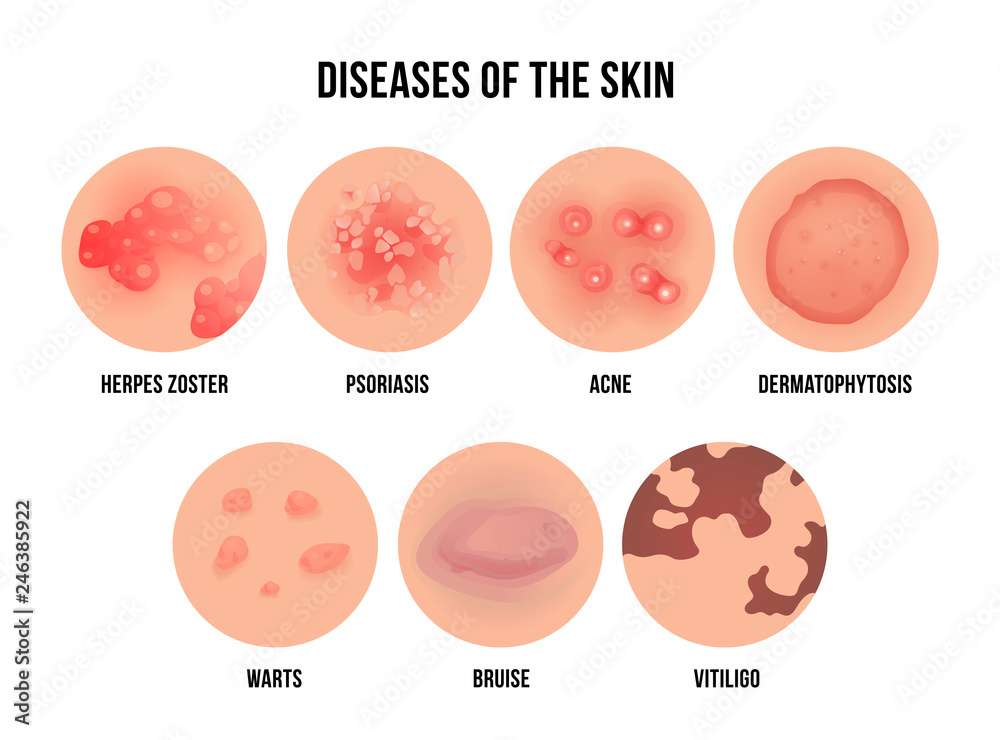
Type 2 diabetes is a chronic condition that affects the way your body metabolizes sugar (glucose). Unlike Type 1 diabetes, the body still produces insulin but cannot use it properly.
- Symptoms: Symptoms may include increased thirst and hunger, frequent urination, fatigue, blurred vision, and slow-healing sores or infections.
- Causes: Factors such as obesity, age over 45 years, family history of diabetes, sedentary lifestyle contribute to the likelihood of developing this condition.
- Diagnosis: Blood tests such as fasting blood glucose and HbA1c levels help diagnose diabetes by measuring blood sugar control over time.
- Treatment options: Management often requires lifestyle changes—diet alterations and exercise—alongside medications like metformin to help regulate blood sugar levels.
- What to expect: With diligent adherence to treatment plans and regular monitoring of glucose levels, many patients manage their condition effectively without complications.
Lifelong follow-up care is essential for optimal health outcomes in individuals living with diabetes.
ASTHMA
Asthma is a chronic respiratory condition characterized by inflammation and narrowing of the airways. It can cause difficulty in breathing and varies significantly among individuals.
- Symptoms: Common symptoms include wheezing, coughing (especially at night), chest tightness, and shortness of breath during physical activity or exposure to allergens.
- Causes: Asthma triggers can include pollen, dust mites, smoke, mold spores, and pet dander.
- Diagnosis: Diagnosis typically involves a thorough medical history review along with lung function tests such as spirometry.
- Treatment options: Treatment usually combines long-term control medications like inhaled corticosteroids with quick-relief inhalers for immediate symptom relief during asthma attacks.
- What to expect: With proper management and understanding of triggers, many patients achieve significant improvement in their quality of life.
Working closely with healthcare providers can help ensure effective asthma management strategies are in place.
HYPERTENSION
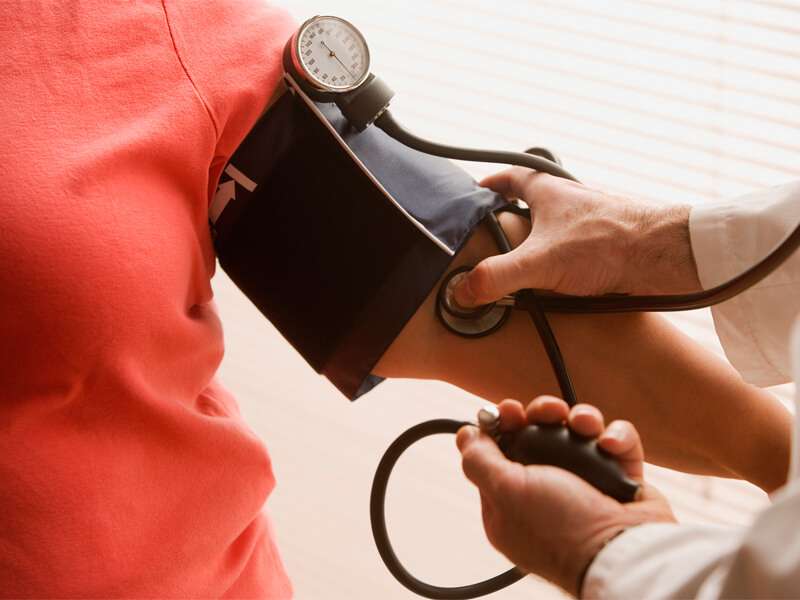
Hypertension, commonly known as high blood pressure, is a condition that affects millions worldwide. It often presents with no obvious symptoms, which is why it is sometimes referred to as a 'silent killer.'
- Symptoms: Many individuals may not experience noticeable symptoms, but some may have headaches, shortness of breath, or nosebleeds.
- Causes: Factors contributing to hypertension include genetic predisposition, unhealthy diet, lack of physical activity, and excessive alcohol consumption.
- Diagnosis: Diagnosis is typically made through regular monitoring of blood pressure levels during medical check-ups.
- Treatment options: Management may involve lifestyle changes such as increased physical activity and dietary adjustments, alongside medications like diuretics or beta-blockers.
- What to expect: With appropriate treatment and lifestyle modifications, most patients can effectively manage their blood pressure and reduce the risk of complications.
Regular monitoring and consultation with a healthcare provider are essential for maintaining healthy blood pressure levels.