
Dr Sandeep Agarwa
About Me
Dr Sandeep Agarwa
MBBS
Oncologist
10 Years Experience
Biography
My Clinic
OPD Hours
| Monday | Morning | 10:00 AM | - | 02:00 PM |
| Evening | 06:00 PM | - | 09:00 PM | |
| Tuesday | Morning | 10:00 AM | - | 02:00 PM |
| Evening | 06:00 PM | - | 09:00 PM | |
| Wednesday | Morning | 10:00 AM | - | 02:00 PM |
| Evening | 06:00 PM | - | 09:00 PM | |
| Thursday | Morning | 10:00 AM | - | 02:00 PM |
| Evening | 06:00 PM | - | 09:00 PM | |
| Friday | Morning | 10:00 AM | - | 02:00 PM |
| Evening | 06:00 PM | - | 09:00 PM | |
| Saturday | Morning | 10:00 AM | - | 02:00 PM |
| Evening | 06:00 PM | - | 09:00 PM | |
| Sunday | Morning | 10:00 AM | - | 02:00 PM |
| Evening | 06:00 PM | - | 09:00 PM |
Treatments
Specialised care and treatments offered
CHEMOTHERAPY SIDE EFFECT MANAGEMENT
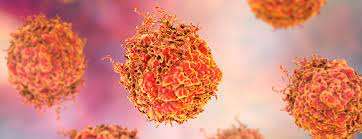
Chemotherapy uses powerful medications to destroy rapidly dividing cancer cells but can also affect healthy cells causing various side effects. Effective management enhances patient comfort throughout the treatment process.
- Sufferers might experience nausea,vomiting,fatigue,hair loss,increased infection risk due to lowered immunity,and neuropathic symptoms among others depending upon drugs used and dosage schedules administered under supervision of oncology specialists .
- Identifying these adverse events early requires close monitoring through clinical visits,blood tests,and symptom reporting enabling prompt interventions such as antiemetics,growth factors,and nutritional support .
- Dose adjustments may occasionally be needed balancing efficacy against tolerability especially within ongoing multi-agent protocols designed carefully considering patient condition variables assessed before each cycle initiation .
- Education about lifestyle adaptations including rest periods , oral hygiene ,infection prevention techniques ,and psychological support significantly aid coping mechanisms reducing anxiety levels associated with undergoing chemotherapeutic regimens
Overall multidisciplinary approaches focusing not only on cancer eradication but also quality-of-life preservation constitute integral components within comprehensive oncology care models universally recommended standards spanning modern healthcare systems globally inclusive local settings such as Agra city's dedicated oncology practices offering personalized expert guidance following established protocols validated by clinical evidence-based research findings tailored individually .
PROSTATE CANCER TREATMENT
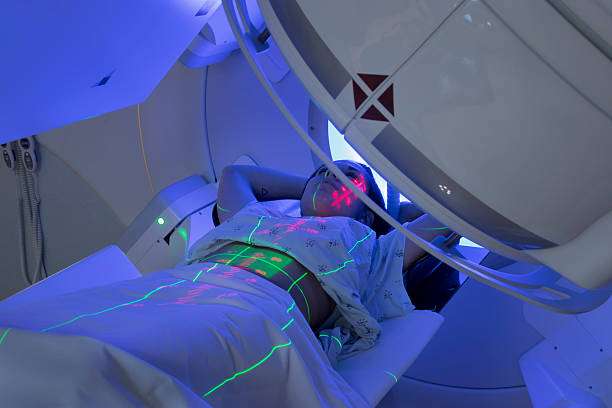
Cancer affecting the prostate gland primarily impacts older men. It often progresses slowly but requires timely management for better prognosis depending on individual risk factors identified during screening programs.
- Easily missed early symptoms include difficulty urinating or pelvic discomfort though many cases are detected during routine PSA blood tests or digital rectal exams before symptoms arise.
- The diagnostic process involves biopsies guided by ultrasound imaging alongside MRI when necessary to evaluate tumor localization precisely within the prostate gland structure.
- Treatment modalities range from active surveillance for low-risk tumors to radical prostatectomy surgery; radiation therapy combined with hormone treatment can be employed for more advanced stages as well as newer targeted drug options emerging recently.
The goal remains balancing effective cancer control while minimizing side effects impacting urinary or sexual function long term through personalized plans tailored according to disease severity assessments conducted clinically prior initiation of interventions available today globally across healthcare centers specializing in oncology medicine disciplines worldwide including Agra city regions alike .
COLORECTAL CANCER CARE

Cancer developing in the colon or rectum is known as colorectal cancer. It often begins as benign polyps which may become malignant over time if undetected or untreated.
- The condition may present with blood in stool, persistent abdominal discomfort, changes in bowel habits like diarrhea or constipation; some cases remain asymptomatic initially.
- Screening methods such as colonoscopy play a crucial role for early diagnosis along with imaging studies like CT scans and tissue biopsies for staging purposes.
- Treatment frequently involves surgical removal of affected bowel segments complemented by chemotherapy or radiotherapy depending on tumor spread stage.
- Lifestyle modifications including diet changes alongside medical treatment contribute to recovery and prevention strategies post-treatment course completion.
A comprehensive approach aims at improving survival rates through timely intervention coupled with supportive rehabilitation services where necessary.
LEUKEMIA MANAGEMENT
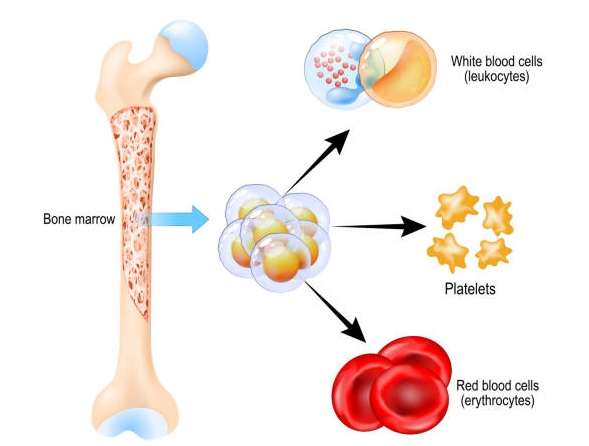
Leukemia is a group of blood cancers that originate in bone marrow producing abnormal white blood cells. These abnormal cells interfere with normal blood cell functions affecting immunity and oxygen transport.
- Symptoms include fatigue, frequent infections, easy bruising or bleeding, fever, and swollen lymph nodes.
- Blood tests revealing elevated white blood cell counts combined with bone marrow biopsy confirm diagnosis.
- Treatment encompasses chemotherapy regimens tailored to leukemia subtype; sometimes stem cell transplantation or targeted therapy is required.
- Continuous monitoring ensures evaluation of remission status and identification of any relapse early on.
An integrated care plan focuses on achieving remission while maintaining quality of life during treatment cycles.
LUNG CANCER TREATMENT
Lung cancer arises when abnormal cells grow uncontrollably in lung tissues. It is a leading cause of cancer-related deaths worldwide but treatments have advanced considerably in recent years.
- Common signs may include persistent cough, chest pain, weight loss, and shortness of breath.
- Diagnosis typically involves chest X-rays followed by CT scans, sputum analysis, bronchoscopy, and biopsy confirmation.
- Treatment depends on the type and extent of disease: surgery to remove tumors, chemotherapy, radiation therapy, immunotherapy or targeted drugs are utilized alone or in combination.
- An individualized approach aims to maximize survival while managing symptoms effectively through multidisciplinary care.
Early consultation upon symptom appearance improves chances for better treatment outcomes.
BREAST CANCER MANAGEMENT
Breast cancer is a malignant growth that originates from breast tissue, commonly affecting women but can also occur in men. Early detection and appropriate treatment significantly improve outcomes.
- Symptoms often include lumps in the breast, changes to breast shape or skin, and nipple discharge.
- Diagnosis involves mammograms, ultrasound imaging, biopsy, and sometimes MRI scans.
- Treatment options range from surgery (lumpectomy or mastectomy), radiation therapy, chemotherapy, hormone therapy to targeted therapies depending on cancer type and stage.
- Management includes regular follow-ups and supportive care to address side effects and monitor for recurrence.
Understanding the disease and treatment timeline can help patients cope and make informed decisions alongside their healthcare team.