
Dr Samir Parab
About Me
Dr Samir Parab
MBBS
Ophthalmologist
19 Years Experience
Biography
My Clinic
OPD Hours
| Monday | Morning | 09:00 AM | ||
| Evening | 09:00 PM | |||
| Tuesday | Morning | 09:00 AM | ||
| Evening | 09:00 PM | |||
| Wednesday | Morning | 09:00 AM | ||
| Evening | 09:00 PM | |||
| Thursday | Morning | 09:00 AM | ||
| Evening | 09:00 PM |
Treatments
Specialised care and treatments offered
RETINAL DETACHMENT SURGERY
A retinal detachment occurs when the retina separates from its underlying supportive tissue. It can lead to permanent vision loss if not treated immediately; thus awareness of symptoms is crucial among all age groups.
- The most common symptoms, such as sudden flashes of light or floaters should prompt urgent medical evaluation. < br/>
- An ophthalmologist will conduct specialized exams including fundus photography along with ultrasound imaging methods leading toward diagnosis confirmation. < br/>
- Treatment modalities range from laser repair techniques up through vitrectomy procedures geared towards reattaching the retina securely. < br/>
- Timely intervention has proven effective providing optimal outcomes enhancing chances for full restoration well beyond initial prognosis expectations!
Understanding available paths forward brings hope significantly improving quality-of-life metrics even amidst distressing circumstances surrounding detachment episodes!
PEDIATRIC EYE EXAM

Pediatric eye examinations play a vital role in identifying potential vision problems at an early stage. Early detection enhances the likelihood of successful interventions for children experiencing refractive errors or other issues that could affect their learning abilities.
- Pediatric symptoms might include squinting or rubbing eyes frequently while reading or watching television.
- An initial screening usually involves simple visual acuity assessments alongside parental questionnaires regarding family history.
- Treatment options vary from corrective lenses to more advanced surgical solutions depending on diagnosed conditions such as strabismus or amblyopia.
- The goal is improving overall functioning through suitable refractive corrections while ensuring routine follow-ups monitor future developments.
Regular visits are integral to ensure children develop healthy eyesight essential for their growth.
AGE-RELATED MACULAR DEGENERATION (AMD) MANAGEMENT

Age-related macular degeneration (AMD) is an ocular condition commonly seen in older adults that leads to loss of central vision. It arises from degeneration of the macula, which is responsible for sharp central vision necessary for activities such as reading and driving.
- The primary symptoms include distorted or blurred central vision and dark spots in your field of view.
- A thorough examination by an ophthalmologist will involve visual function tests along with imaging techniques like optical coherence tomography (OCT).
- Treatments include anti-VEGF injections, laser therapy, or photodynamic therapy depending on whether it's wet or dry AMD.
- Lifestyle modifications such as diet changes may also help slow progression down significantly.
Prompt recognition of AMD allows for timely intervention that may preserve sight effectively over time.
DIABETIC RETINOPATHY TREATMENT

Diabetic retinopathy is a complication of diabetes that affects the blood vessels in the retina. This condition can cause severe vision impairment if not addressed in its early stages. It’s therefore essential for diabetic patients to have regular eye examinations.
- The primary symptoms include blurred vision, floaters, or unexpected changes in your eyesight.
- Dilated eye exams are used for diagnosis, often combined with imaging tests like fluorescein angiography.
- Treatment options may involve laser therapy, medications injected into the eye, or surgery based on severity.
- A proactive approach includes managing blood sugar levels to slow the progression of this disease.
Awareness and early intervention are key to preserving sight in those affected by diabetic retinopathy.
GLAUCOMA MANAGEMENT
Glaucoma is a group of eye diseases that damage the optic nerve, often linked to increased intraocular pressure. It can lead to irreversible vision loss if not detected and treated promptly.
- Common symptoms may not be noticeable in early stages but can include peripheral vision loss or tunnel vision as it progresses.
- A qualified ophthalmologist diagnoses glaucoma through comprehensive eye exams, including tonometry and visual field testing.
- Treatment options range from prescription eye drops to surgeries aimed at lowering eye pressure.
- Regular monitoring is crucial as the disease typically requires lifelong management and adjustments in treatment protocols.
With appropriate care, individuals with glaucoma can maintain functional vision for many years.
CATARACT SURGERY
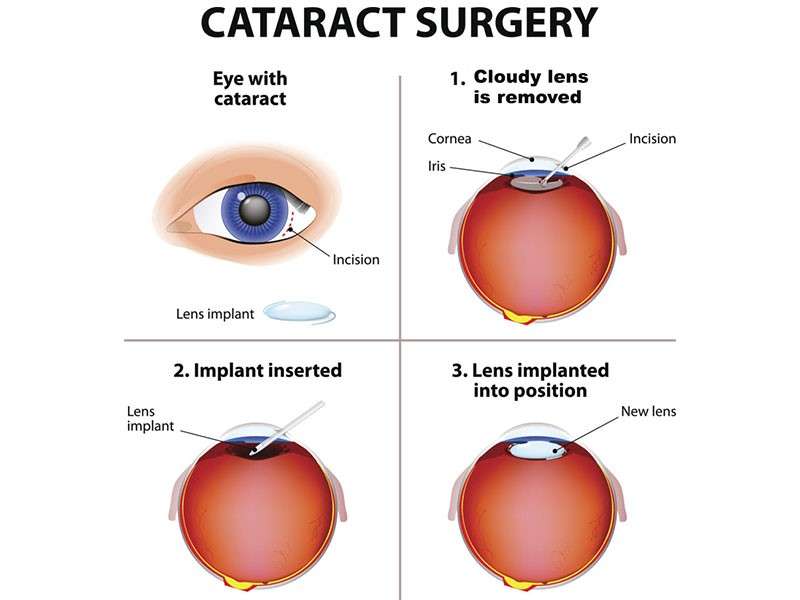
Cataracts are a common eye condition characterized by clouding of the lens, often leading to visual impairment. This condition frequently affects older adults but can also occur due to other factors such as diabetes or prolonged use of corticosteroids.
- Symptoms may include blurry vision, difficulty with night vision, and sensitivity to light.
- The diagnosis typically involves a comprehensive eye examination, including visual acuity tests and a slit-lamp examination.
- Treatment usually involves surgery to remove the cloudy lens and replace it with an artificial intraocular lens (IOL).
- Post-operative management includes following up with your eye care provider and using prescribed eye drops.
- Patients can generally expect significant improvement in vision after recovery, although some may still require glasses for specific tasks.
Cataract surgery is considered safe and effective, restoring clarity to your vision and enhancing quality of life.