
Dr Sameer Verma
About Me
Dr Sameer Verma
MBBS
General Physician
30 Years Experience
Biography
My Clinic
OPD Hours
| Monday | Morning | 09:00 AM | ||
| Evening | 09:00 PM | |||
| Tuesday | Morning | 09:00 AM | ||
| Evening | 09:00 PM | |||
| Wednesday | Morning | 09:00 AM | ||
| Evening | 09:00 PM | |||
| Thursday | Morning | 09:00 AM | ||
| Evening | 09:00 PM |
Treatments
Specialised care and treatments offered
URINARY TRACT INFECTION (UTI) MANAGEMENT
A urinary tract infection (UTI) occurs when bacteria infiltrate parts of the urinary system including kidneys & bladder leading potentially painful symptoms. Understanding UTIs promotes timely treatment while preventing recurrent infections becomes essential during therapy sessions with physician assistance involved throughout care protocols outlined specifically towards patients' needs!
,- ,
- , , Symptoms:,, Frequent urges to urinate accompanied by pain/burning sensations could signify infection requiring prompt consultations with healthcare providers offering efficient diagnostic methods available today!
- ,
GASTROESOPHAGEAL REFLUX DISEASE (GERD)

This digestive condition affects many individuals causing acid reflux into the esophagus. Recognition and intervention are important in managing GERD symptoms effectively without causing long-term damage to the esophagus lining
.- Symptoms: Heartburn after meals or lying down; regurgitation may occur regularly. < br/>
- Causes: Obesity; improper diet high in fats can exacerbate reflux conditions. < br/>
- Diagnosis: Gastrointestinal examinations or endoscopy confirm acid reflux presence based on symptom reports.
- Treatment Options: Lifestyle changes including diet modifications aim to reduce reflux occurrences alongside medications like proton pump inhibitors when necessary.
No matter how severe symptoms appear it’s important not just only treat but also understand this prevalent condition optimally so one lives comfortably experiencing minimal disruption due GERD.
THYROID DISORDER EVALUATION

The thyroid gland regulates numerous metabolic functions in the body. Disorders such as hypothyroidism or hyperthyroidism can significantly affect health. Evaluating thyroid function involves understanding symptoms and undergoing appropriate testing.
- Symptoms: Fatigue, weight changes, mood fluctuations may signal a thyroid problem needing evaluation.
- Your Role: An open discussion about symptoms and family history ensures focused evaluations are performed effectively
- Diagnosis: Blood tests measure hormone levels; imaging studies might also help in assessing gland abnormalities. < br/>
- Treatment options: Depending on the disorder's nature: medication for hormone replacement or suppressants. < br/>
- Follow-up care: Ongoing monitoring ensures that treatment remains effective over time.
Timely evaluation plays a crucial role in managing thyroid disorders effectively while enhancing overall well-being.
ASTHMA MANAGEMENT
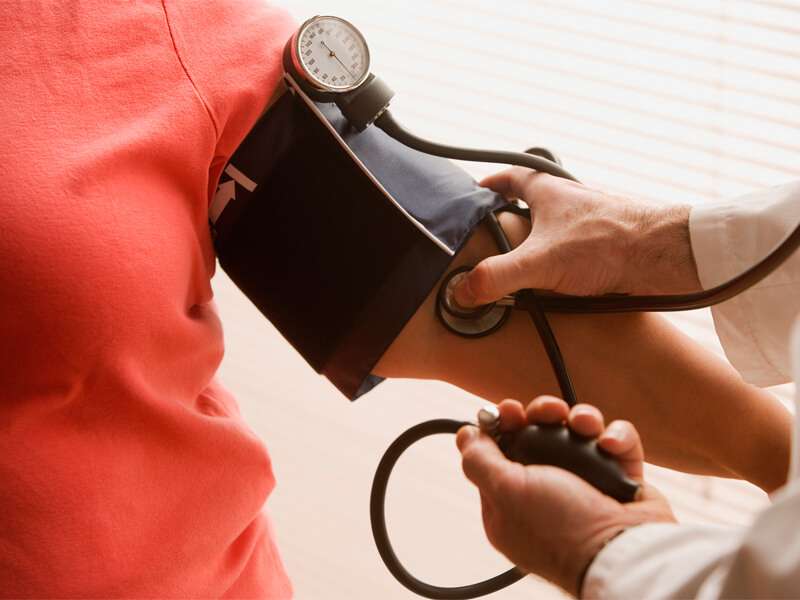
A chronic respiratory condition characterized by episodes of airway obstruction leading to wheezing, coughing, and difficulty breathing. Effective asthma management can significantly enhance quality of life for those affected by it.
- Symptoms: Include shortness of breath, chest tightness, coughing at night or early morning.
- Causes: Triggers may include allergens, smoke exposure, respiratory infections, or physical activity.
- Diagnosis: Spirometry testing assesses lung function; history review enables identification of triggers.
- Treatment options: Medications like inhalers (relievers & controllers) along with avoidance strategies for triggers are essential for control.
A comprehensive management plan tailored to individual needs is vital for living well with asthma while minimizing its impact on daily activities.
DIABETES SCREENING

Diabetes is a chronic condition that affects how your body processes blood sugar (glucose). Early detection through screening is essential to managing the disease effectively and preventing complications. Awareness of risk factors is key.
- Symptoms: Increased thirst, frequent urination, extreme fatigue, blurred vision may indicate diabetes.
- Causes: Genetic factors, poor diet, and sedentary lifestyle contribute to type 2 diabetes development.
- Diagnosis: Fasting blood glucose tests or A1C tests help assess blood sugar levels accurately.
- Treatment options: Includes lifestyle modifications such as diet and exercise; insulin therapy may be necessary for some patients.
- Your role: Regular screenings help maintain optimal health and catch abnormalities early on.
A proactive approach to diabetes screening can lead to better management of the condition and improved quality of life.
HYPERTENSION MANAGEMENT

Hypertension, commonly known as high blood pressure, is a condition that can lead to serious health issues if left untreated. It often has no symptoms, making regular check-ups vital. Understanding hypertension helps in effective management and prevention of complications.
- Symptoms: Often asymptomatic; some may experience headaches or dizziness.
- Causes: Factors include obesity, lack of physical activity, smoking, and excessive alcohol consumption.
- Diagnosis: Blood pressure readings taken at various visits; additional tests might be required for underlying causes.
- Treatment options: Lifestyle changes (diet & exercise), medications like diuretics or ACE inhibitors may be prescribed.
- Management: Regular monitoring and adherence to treatment plans are crucial for long-term control.
If you suspect hypertension, early diagnosis and proactive management can significantly improve outcomes and overall health.