
Dr Salmaan
About Me
Dr Salmaan
MD
Pulmonologist
10 Years Experience
Biography
My Clinic
OPD Hours
| Monday | Morning | 10:00 AM | - | 02:00 PM |
| Evening | 06:00 PM | - | 09:00 PM | |
| Tuesday | Morning | 10:00 AM | - | 02:00 PM |
| Evening | 06:00 PM | - | 09:00 PM | |
| Wednesday | Morning | 10:00 AM | - | 02:00 PM |
| Evening | 06:00 PM | - | 09:00 PM | |
| Thursday | Morning | 10:00 AM | - | 02:00 PM |
| Evening | 06:00 PM | - | 09:00 PM | |
| Friday | Morning | 10:00 AM | - | 02:00 PM |
| Evening | 06:00 PM | - | 09:00 PM | |
| Saturday | Morning | 10:00 AM | - | 02:00 PM |
| Evening | 06:00 PM | - | 09:00 PM | |
| Sunday | Morning | 10:00 AM | - | 02:00 PM |
| Evening | 06:00 PM | - | 09:00 PM |
Treatments
Specialised care and treatments offered
LUNG CANCER SCREENING
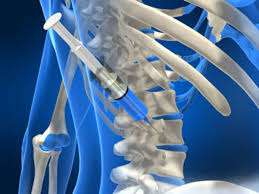
Lung cancer screening aims to detect cancer early when it is more treatable. High-risk individuals—such as longtime smokers—are particularly encouraged to participate in regular screenings using low-dose computed tomography (LDCT).
- Lung cancer may present asymptomatically until advanced stages; therefore early identification methods are vital for high-risk groups especially those over 55 years old with significant smoking history..
Through LDCT scanning , doctors will look closely for any suspicious nodules or masses that could indicate malignancy before symptoms arise
INTERVENTIONAL PULMONOLOGY PROCEDURES

This field involves minimally invasive procedures aimed at diagnosing and treating various pulmonary disorders. Techniques such as bronchoscopy are often employed for direct visualization of the airways and obtaining tissue samples.
- Symptoms that may lead to intervention include persistent cough with blood-tinged sputum or unexplained weight loss along with breathing difficulties.
- Bronchoscopies utilize small cameras inserted through the nose or mouth into the lungs for examination; these procedures can also facilitate biopsy collection for further analysis.
- Treatment options might include placing stents or clearing obstructed airways via specialized instruments guided through the bronchoscope
Early diagnosis through these methods allows timely intervention , improving patient outcomes significantly .
PULMONARY FUNCTION TESTING

Pulmonary Function Tests (PFTs) are non-invasive tests that measure how well your lungs are functioning. These tests help diagnose conditions affecting lung capacity and airflow.
SLEEP APNEA EVALUATION

Sleep apnea is a sleep disorder where breathing repeatedly stops and starts during sleep. It can lead to severe daytime fatigue and other health issues if left untreated.
- Common signs include loud snoring, episodes of stopped breathing during sleep observed by a partner, dry mouth upon waking, and morning headaches.
- A sleep study (polysomnography) is standard in diagnosing sleep apnea; this monitors various body functions while you sleep.
- Treatment options might include continuous positive airway pressure (CPAP) therapy or oral appliances designed to keep airways open during sleep.
- Lifestyle changes such as weight loss or changing sleep positions can also be effective management strategies.
Addressing sleep apnea not only improves quality of sleep but also enhances overall health outcomes significantly.
CHRONIC OBSTRUCTIVE PULMONARY DISEASE (COPD)

COPD is a progressive lung disease characterized by increasing breathlessness. It encompasses conditions like chronic bronchitis and emphysema that primarily result from prolonged exposure to harmful substances, most commonly tobacco smoke.
- Individuals may experience symptoms such as chronic cough, excessive mucus production, fatigue, and increased respiratory infections.
- Diagnosis typically includes pulmonary function tests (PFTs) along with imaging studies like chest X-rays or CT scans.
- Treatment focuses on smoking cessation programs, bronchodilators for symptom relief, and pulmonary rehabilitation programs.
- Patients are encouraged to engage in regular exercise tailored to their abilities to enhance overall lung function.
By adhering to treatment plans and making lifestyle changes, patients can significantly improve their quality of life despite having COPD.
ASTHMA MANAGEMENT

Asthma is a chronic condition that affects the airways in the lungs, causing them to become inflamed and narrow. This can lead to difficulty breathing and frequent coughing, especially at night or during exercise.
- Common symptoms include wheezing, shortness of breath, chest tightness, and persistent cough.
- Diagnosis often involves lung function tests, allergy testing, and a thorough review of medical history.
- Treatment options typically include inhaled corticosteroids, bronchodilators, and lifestyle modifications to avoid triggers.
- Patients can expect regular follow-ups to monitor their condition and adjust medications as necessary.
- Understanding personal triggers is crucial for effective asthma management.
With appropriate treatment and self-management strategies, individuals with asthma can lead normal, active lives.