
Dr Saidhu Mukesh Kota
About Me
Dr Saidhu Mukesh Kota
MBBS
General Physician
6 Years Experience
Biography
My Clinic
OPD Hours
| Monday | Morning | 09:00 AM | ||
| Evening | 09:00 PM | |||
| Tuesday | Morning | 09:00 AM | ||
| Evening | 09:00 PM | |||
| Wednesday | Morning | 09:00 AM | ||
| Evening | 09:00 PM | |||
| Thursday | Morning | 09:00 AM | ||
| Evening | 09:00 PM | |||
| Friday | Morning | 09:00 AM | ||
| Evening | 09:00 PM | |||
| Saturday | Morning | 09:00 AM | ||
| Evening | 09:00 PM |
Treatments
Specialised care and treatments offered
GASTROESOPHAGEAL REFLUX DISEASE (GERD)
This chronic digestive disorder occurs when stomach acid frequently flows back into the esophagus resulting in irritation. Understanding GERD assists patients in managing symptoms effectively.
- Symptoms and Causes: Key symptoms include persistent heartburn, regurgitation of food or sour liquid; factors contributing include obesity, certain foods/drinks like coffee & alcohol influencing acid production
- Diagnosis: A healthcare professional typically conducts a physical exam along with an assessment of medical history; additional testing such as endoscopy may be necessary for severe cases
- Treatment Options: Lifestyle changes including weight management & dietary adjustments paired with antacids or proton pump inhibitors help alleviate discomfort associated with GERD's manifestations
- What To Expect: This requires ongoing attention since adherence ensures symptom relief while preventing complications like esophagitis from prolonged exposure
THYROID DISORDERS EVALUATION

The thyroid gland plays a critical role in regulating metabolism through hormone production. Disorders related to thyroid function require careful assessment for effective management strategies.
- Symptoms and Causes: Symptoms vary widely; hypothyroidism may cause weight gain and fatigue while hyperthyroidism could lead to weight loss and anxiety. Autoimmune diseases like Hashimoto's thyroiditis often underlie these conditions
- Diagnosis: Blood tests measuring TSH (thyroid-stimulating hormone) alongside T3/T4 hormone levels provide valuable insights into thyroid health
- Treatment Options: Managing hypothyroidism typically involves synthetic hormone replacement therapy; whereas hyperthyroidism might require medications aimed at reducing hormone production or radioactive iodine therapy
- What to Expect: Regular monitoring of hormone levels helps maintain optimal balance; adjustments in medication dosages are common based on periodic lab results
Proper diagnosis coupled with consistent follow-up leads towards effective management of thyroid disorders
CHOLESTEROL MANAGEMENT
Elevated cholesterol levels can increase the risk of heart disease; hence managing it effectively through lifestyle changes and medications is critical for long-term health.
- Symptoms and Causes: High cholesterol usually presents no symptoms but can contribute to serious cardiovascular conditions over time due to plaque buildup in arteries caused by poor diet or genetics.
- Diagnosis:A simple blood test measures cholesterol levels; total cholesterol over 240 mg/dL indicates higher risk requiring intervention.
- Treatment Options:Lifestyle modifications such as adopting a healthier diet low in saturated fats, exercising regularly, combined with statin therapies may help lower cholesterol effectively.
- What to Expect: Regular lipoprotein panel tests are necessary for monitoring progress. Communication with healthcare providers ensures any adjustments needed will be made promptly
Maintaining healthy cholesterol levels through informed choices can greatly reduce cardiovascular risks throughout your life
ASTHMA MANAGEMENT
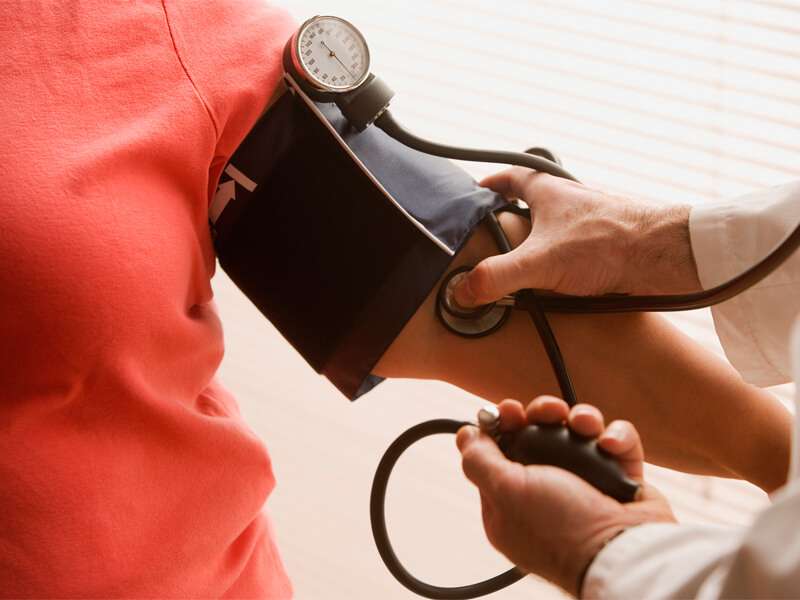
Asthma is a common respiratory condition characterized by inflammation of the airways, causing breathing difficulties. Understanding asthma is key in managing its effects on daily life.
- Symptoms and Causes: Common symptoms include wheezing, coughing, chest tightness, and shortness of breath triggered by allergens or irritants like smoke.
- Diagnosis: A detailed patient history along with lung function tests helps confirm asthma. Allergy testing might also be conducted to identify specific triggers.
- Treatment Options: Management generally involves inhalers for quick relief during an attack and long-term control medications like corticosteroids to reduce inflammation.
- What to Expect: Regular follow-ups are essential for adjusting treatment plans based on symptom control and medication side effects. Recognizing triggers plays a crucial role in prevention.
A comprehensive treatment plan tailored to individual needs can significantly enhance quality of life for those living with asthma.
DIABETES CARE

Diabetes is a chronic condition that affects how your body processes glucose. This complex disease requires ongoing management to maintain blood sugar levels within a healthy range.
- Symptoms and Causes: Symptoms may include increased thirst, frequent urination, and fatigue. Type 2 diabetes is often linked to obesity and inactivity.
- Diagnosis: The diagnosis is confirmed via blood tests that measure glucose levels. Fasting glucose tests or HbA1c levels help determine how well diabetes is being managed.
- Treatment Options: Treatment includes dietary modifications, regular physical activity, and possibly insulin therapy or other medications depending on type and severity.
- What to Expect: Continuous education about managing diabetes is vital for preventing complications such as heart disease or neuropathy. Regular check-ups will help monitor progress.
A proactive approach involving support from healthcare professionals can empower patients in their journey with diabetes management.
HYPERTENSION MANAGEMENT

High blood pressure, or hypertension, is often referred to as a 'silent killer' because it typically has no obvious symptoms. Understanding this condition is crucial as it can lead to severe health complications if left untreated.
- Symptoms and Causes: While many people experience no symptoms, some may have headaches, shortness of breath, or nosebleeds. Common causes include obesity, lack of physical activity, and high salt intake.
- Diagnosis: Hypertension is diagnosed through regular blood pressure measurements using a sphygmomanometer. Consistent readings above 130/80 mmHg are indicative of high blood pressure.
- Treatment Options: Management may involve lifestyle changes such as diet and exercise, along with medications like diuretics or ACE inhibitors when necessary.
- What to Expect: Regular monitoring and follow-up visits are vital to ensure effective management. Implementing lifestyle changes can lead to significant improvements in overall health.
By taking control of your hypertension through informed choices and medical guidance, you can significantly reduce the risk of complications over time.