
Dr Sachin Shanti Clinic
About Me
Dr Sachin Shanti Clinic
MBBS
General Physician
10 Years Experience
Biography
My Clinic
OPD Hours
| Monday | Morning | 10:00 AM | - | 02:00 PM |
| Evening | 06:00 PM | - | 09:00 PM | |
| Tuesday | Morning | 10:00 AM | - | 02:00 PM |
| Evening | 06:00 PM | - | 09:00 PM | |
| Wednesday | Morning | 10:00 AM | - | 02:00 PM |
| Evening | 06:00 PM | - | 09:00 PM | |
| Thursday | Morning | 10:00 AM | - | 02:00 PM |
| Evening | 06:00 PM | - | 09:00 PM | |
| Friday | Morning | 10:00 AM | - | 02:00 PM |
| Evening | 06:00 PM | - | 09:00 PM | |
| Saturday | Morning | 10:00 AM | - | 02:00 PM |
| Evening | 06:00 PM | - | 09:00 PM | |
| Sunday | Morning | 10:00 AM | - | 02:00 PM |
| Evening | 06:00 PM | - | 09:00 PM |
Treatments
Specialised care and treatments offered
ANEMIA DIAGNOSIS AND TREATMENT
Anemia occurs when there aren’t enough healthy red blood cells to carry adequate oxygen to body tissues. It’s important to diagnose anemia early due its potential impacts on energy levels and organ function.
- Symptoms commonly encountered include fatigue , weakness , pale skin along rapid heartbeat particularly under stress
- Healthcare providers ascertain diagnosis via complete blood count tests assessing hemoglobin concentration alongside other diagnostic measures
- Depending upon underlying causes therapies could range dietary adjustments incorporating iron-rich foods supplements addressing deficiencies chronic disease treatment approaches applicable here
- Continued surveillance post-treatment assists ensuring restoration towards stable hematological systems thus alleviating symptomatology didn’t revert back once more
Comprehensive understanding maintaining appropriate iron reserves essential allowing vitality re-establish return full functional capabilities enjoyed prior experiencing effects from Anemia .
ASTHMA CONTROL

Asthma is a chronic respiratory condition characterized by airway inflammation resulting in breathing difficulties. It requires ongoing management to ensure quality of life and minimize flare-ups triggered by allergens or pollution.
- Typical signs of asthma attacks include wheezing, coughing (especially at night), chest tightness, and shortness of breath during exertion or exposure to irritants.
- Pediatricians usually diagnose asthma through patient histories complemented by lung function tests measuring airflow limitations over time.
- Management includes avoiding triggers while employing quick-relief medications like bronchodilators alongside long-term control medications such as inhaled corticosteroids depending on severity classification
- Emergency action plans are crucial should sudden exacerbations arise enabling timely response interventions ensuring safety
Regular follow-up visits facilitate review adaptations necessary thus optimizing overall asthma control significantly reducing hospital admissions related exacerbations .
GASTROENTERITIS TREATMENT

Gastroenteritis is an inflammation of the stomach and intestines often caused by viral infections. It results in various gastrointestinal symptoms that can affect daily activities significantly.
- The main symptoms typically include diarrhea, vomiting, abdominal pain, and fever; they usually appear suddenly after exposure to infectious organisms.
- A diagnosis is often made based on clinical history along with stool tests if required to identify specific pathogens.
- Treatment focuses primarily on staying hydrated through fluids; anti-nausea medications may also be prescribed for relief from severe symptoms.
- Avoiding solid foods initially aids recovery before gradually reintroducing them once tolerated well again. Most cases resolve within a few days without severe complications if managed appropriately.
Maintaining hydration is critical during this illness to prevent further health issues related to dehydration.
DIABETES SCREENING AND MANAGEMENT
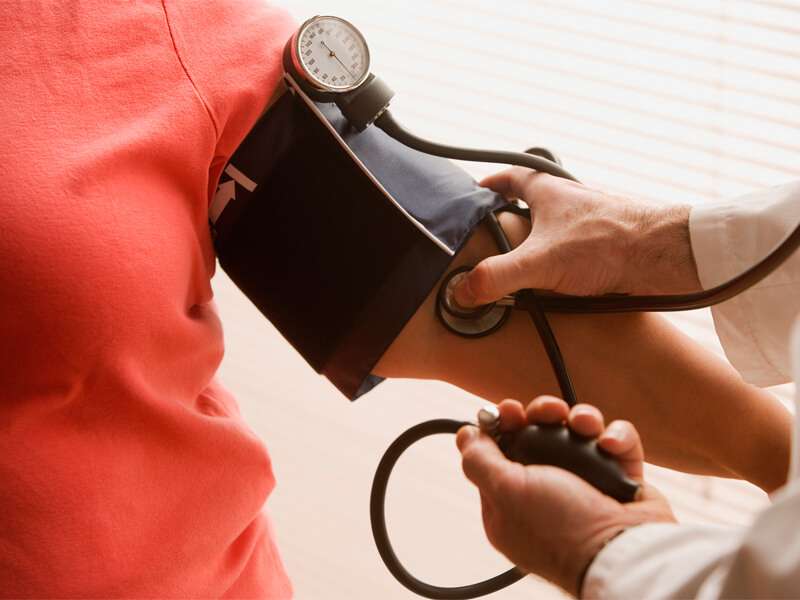
Diabetes mellitus is a chronic condition characterized by elevated blood glucose levels due to impaired insulin action. Early detection through screening is vital for preventing long-term complications.
- Symptoms of diabetes may include excessive thirst, frequent urination, fatigue, and unexplained weight loss.
- The diagnosis involves blood tests like fasting glucose levels or HbA1c readings conducted during routine evaluations.
- Management includes lifestyle modifications such as balanced diet plans combined with regular exercise; in some cases, medication such as insulin therapy might be needed.
- Continuous monitoring helps manage blood sugar levels effectively to avoid complications like neuropathy or cardiovascular diseases.
A collaborative approach between patients and healthcare providers ensures effective management of diabetes for improved quality of life.
ACUTE RESPIRATORY INFECTIONS

Acute respiratory infections (ARIs) are among the most common reasons people seek medical advice. They can affect the upper or lower respiratory tract and often result from viral or bacterial infections.
- Common symptoms include coughing, sore throat, fever, and body aches.
- A healthcare provider typically assesses patient history and conducts physical examinations, including listening to lung sounds.
- Treatment may involve rest, hydration, over-the-counter medications for symptom relief, or antibiotics if a bacterial cause is suspected.
- Most ARIs resolve within a week; however, complications can arise in vulnerable populations like the elderly or those with pre-existing conditions.
Early identification and treatment can help alleviate symptoms quickly and prevent potential complications associated with these infections.
HYPERTENSION MANAGEMENT

Hypertension, commonly known as high blood pressure, is a prevalent condition that can lead to serious health complications if left unmanaged. It often develops over many years and can go undetected. Understanding its implications is crucial for effective management.
- Symptoms may include headaches, shortness of breath, or nosebleeds, though many individuals may not exhibit any symptoms at all.
- Diagnosis typically involves measuring blood pressure using a sphygmomanometer during routine check-ups.
- Treatment options include lifestyle changes such as diet modification, increased physical activity, and medication like diuretics or ACE inhibitors.
- Regular monitoring and follow-up appointments are essential to adjust treatment plans as necessary.
- By managing hypertension effectively, patients can significantly reduce their risk of heart disease and stroke.
Being proactive about your health by undergoing regular check-ups can make all the difference in effectively managing this condition.