
Dr Sachendra Shee
About Me
Dr Sachendra Shee
MBBS
General Physician
10 Years Experience
Biography
My Clinic
OPD Hours
| Monday | Morning | 10:00 AM | - | 02:00 PM |
| Evening | 06:00 PM | - | 09:00 PM | |
| Tuesday | Morning | 10:00 AM | - | 02:00 PM |
| Evening | 06:00 PM | - | 09:00 PM | |
| Wednesday | Morning | 10:00 AM | - | 02:00 PM |
| Evening | 06:00 PM | - | 09:00 PM | |
| Thursday | Morning | 10:00 AM | - | 02:00 PM |
| Evening | 06:00 PM | - | 09:00 PM | |
| Friday | Morning | 10:00 AM | - | 02:00 PM |
| Evening | 06:00 PM | - | 09:00 PM | |
| Saturday | Morning | 10:00 AM | - | 02:00 PM |
| Evening | 06:00 PM | - | 09:00 PM | |
| Sunday | Morning | 10:00 AM | - | 02:00 PM |
| Evening | 06:00 PM | - | 09:00 PM |
Treatments
Specialised care and treatments offered
THYROID FUNCTION TESTING
The thyroid gland regulates metabolism through hormone production; dysfunction may present as hypothyroidism or hyperthyroidism affecting overall wellbeing markedly. Blood assays help clarify thyroid status accurately.
- Causative Conditions: Autoimmune disorders like Hashimoto's thyroiditis cause hypothyroidism; Graves' disease leads to hyperthyroidism.
- Tests Performed: Thyroid Stimulating Hormone (TSH), Free T3 & T4 hormone levels reveal functional capacity.
- Symptoms To Note: Fatigue, weight changes, temperature intolerance warrant testing.
- Treatment Decisions: Based on results doctors prescribe hormone replacement therapy or antithyroid drugs accordingly.
Accurate thyroid function testing supports precise treatments restoring hormonal balance thereby improving patients' energy levels and metabolic functions.
ELECTROCARDIOGRAM (ECG) EVALUATION

An Electrocardiogram records the electrical activity of the heart to detect abnormalities related to rhythm disturbances or ischemic heart disease. It is quick yet informative for cardiac assessment purposes.
- Simplified Procedure:Painless electrodes placed on chest measure continuous heart electrical impulses over several seconds to minutes.
- Disease Detection Capabilities: Identifies arrhythmias like atrial fibrillation or signs suggestive of previous heart attacks (myocardial infarctions).
- Treatment Relevance: ECG results influence decisions on medications such as anticoagulants or pacemaker implantation if necessary.
- Routine Usage: Strong > Commonly performed during annual checkups especially for patients with hypertension or chest discomfort.
Understanding ECG findings provides reassurance when normal but prompts timely cardiology referrals when abnormalities arise.
RESPIRATORY FUNCTION ASSESSMENT
Lung function evaluations are essential for identifying respiratory diseases such as asthma or chronic obstructive pulmonary disease (COPD). These assessments measure breathing capacity and airflow obstruction extent.
- Main Symptoms Indicated: Shortness of breath, persistent coughing, wheezing signals possible lung dysfunction.
- Diagnostic Methods:Pulmonary function tests like spirometry quantify lung volumes and airflow rates precisely.
- Treatment Monitoring: Assessments guide medication adjustments including inhalers or steroids to improve breathing quality.
- Lifestyle Recommendations:Avoiding smoking exposure and environmental irritants supports lung health recovery efforts.
A thorough respiratory evaluation enables tailored management plans enhancing quality of life for individuals with pulmonary concerns.
COMPLETE BLOOD COUNT (CBC) TESTING
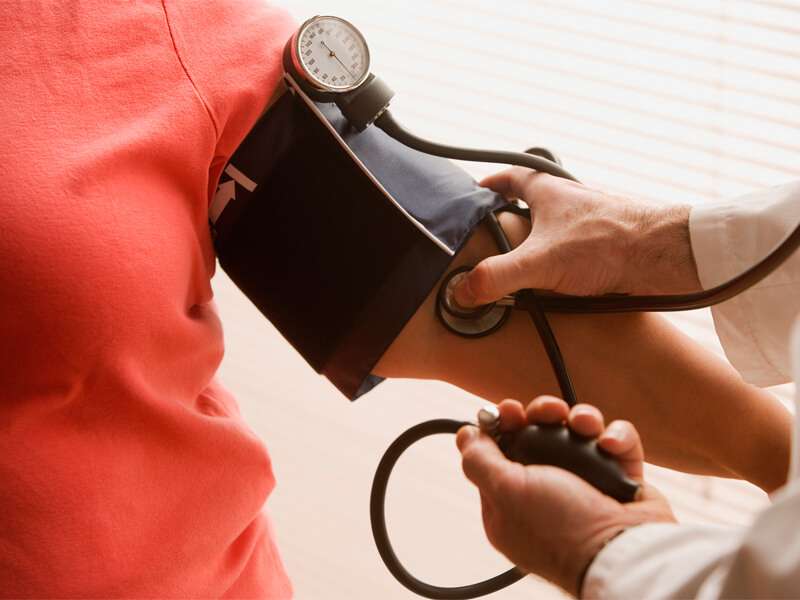
A Complete Blood Count (CBC) is a fundamental laboratory test that provides vital information about the cellular components of your blood. It assists healthcare providers in diagnosing various conditions quickly.
- Pertinent Information Collected: Measures red blood cells, white blood cells, hemoglobin levels, hematocrit, and platelets counts.
- Clinical Uses: Helps detect infections, anemia types, clotting disorders, and some blood cancers.
- The Process: Typically requires a small sample of venous blood collected under sterile conditions in a clinical setting.
- Interpreting Results: Deviations from normal ranges guide further diagnostic investigations or treatment changes as needed.
The CBC test remains an invaluable tool for routine health assessments and monitoring ongoing medical conditions effectively.
DIABETES MELLITUS SCREENING

Detecting diabetes early is crucial to prevent complications affecting organs like the kidneys and eyes. Screening helps identify individuals at risk or those with undiagnosed diabetes.
- Risk Factors: Excess weight, family history, sedentary lifestyle, and age increase diabetes risk.
- Screening Tests: Blood tests including fasting plasma glucose, HbA1c levels, or oral glucose tolerance test are commonly used diagnostics.
- Management Implications: Early diagnosis allows for prompt dietary guidance, exercise plans, and possibly medication to maintain normal blood sugar levels.
- Lifestyle Counseling: Emphasis on healthy eating habits and weight management forms an integral part of long-term care.
A systematic approach in screening helps reduce the burden of diabetes through timely intervention and informed patient participation.
HYPERTENSION MANAGEMENT

High blood pressure, or hypertension, is a common yet serious condition that can lead to heart disease and stroke if left unmanaged. Early detection and ongoing control are essential for maintaining overall health.
- Symptoms and Causes: Often called the 'silent killer,' hypertension may not show symptoms but can be influenced by genetics, diet, stress, obesity, and lack of exercise.
- Diagnosis: Blood pressure readings taken using a sphygmomanometer across multiple visits help confirm high blood pressure levels.
- Treatment Options: Lifestyle changes like reducing salt intake and medications such as ACE inhibitors or beta-blockers are common treatments.
- Monitoring: Regular check-ups and self-monitoring with home devices ensure control over the condition.
Managing hypertension involves a combination of lifestyle modifications and medical therapy to reduce cardiovascular risks effectively.