
Dr S S Lal Srivastava
About Me
Dr S S Lal Srivastava
MBBS
General Physician
10 Years Experience
Biography
My Clinic
OPD Hours
| Monday | Morning | 10:00 AM | - | 02:00 PM |
| Evening | 06:00 PM | - | 09:00 PM | |
| Tuesday | Morning | 10:00 AM | - | 02:00 PM |
| Evening | 06:00 PM | - | 09:00 PM | |
| Wednesday | Morning | 10:00 AM | - | 02:00 PM |
| Evening | 06:00 PM | - | 09:00 PM | |
| Thursday | Morning | 10:00 AM | - | 02:00 PM |
| Evening | 06:00 PM | - | 09:00 PM | |
| Friday | Morning | 10:00 AM | - | 02:00 PM |
| Evening | 06:00 PM | - | 09:00 PM | |
| Saturday | Morning | 10:00 AM | - | 02:00 PM |
| Evening | 06:00 PM | - | 09:00 PM | |
| Sunday | Morning | 10:00 AM | - | 02:00 PM |
| Evening | 06:00 PM | - | 09:00 PM |
Treatments
Specialised care and treatments offered
OBESITY PREVENTION & MANAGEMENT
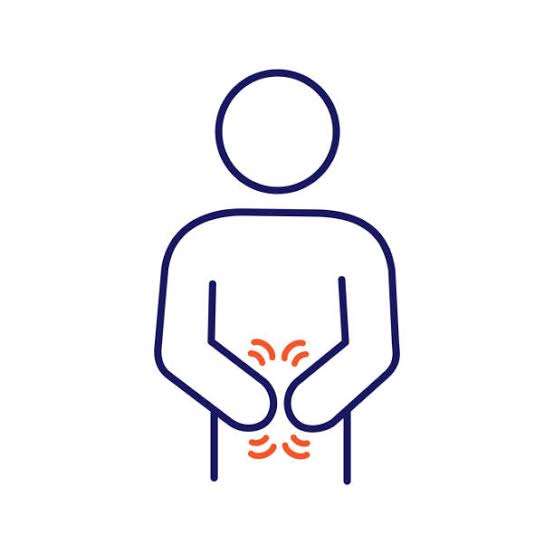
Obesity has become a significant public health concern contributing to numerous chronic diseases. Understanding its causes helps in developing effective management strategies.
- Main causes include poor diet choices, lack of physical activity, genetics, mental health issues among others affecting weight gain patterns over time.< / l i > < l i > Body mass index (BMI) calculations provide an accessible way to assess weight relative to height for identifying obesity risks.< / l i > < l i > Strategies focus mainly on lifestyle alterations incorporating balanced nutrition habits with regular exercise protocols tailored individually according nature factors influencing obesity each person’s specific circumstances too!< / l i > < l i > A supportive environment fosters motivation while making healthy choices easier remains vital ongoing success achieving target weights sustainably!< / l i >
Taking steps toward effectively managing obesity not only enhances physical wellness but positively impacts emotional well-being increasing confidence improving quality living!
VACCINATION UPDATES

Vaccinations play a critical role in preventing various infectious diseases. Staying updated on immunizations protects both individual health and public safety.
- Common vaccines include those for influenza, hepatitis B, tetanus-diphtheria-pertussis (Tdap), among others depending on age group and medical history.
- Vaccination recommendations vary based on age, pre-existing conditions, and travel plans related to outbreaks.
- Routine consultations help determine your vaccination needs during periodic assessments with your healthcare provider.
- Ensuring vaccinations are current significantly reduces the likelihood of disease transmission in communities.
Proactive vaccination practices contribute immensely towards collective immunity against vaccine-preventable illnesses in society!
ANNUAL HEALTH CHECK-UPS
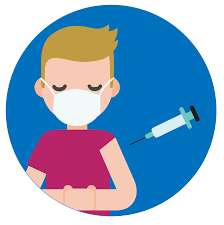
An annual health check-up provides a comprehensive assessment of your overall health status. It serves as a proactive measure to detect potential issues early on.
- Your physician will evaluate vital signs such as blood pressure, weight, and heart rate during these visits.
- This examination may also include routine lab tests to screen for conditions like diabetes or elevated cholesterol levels, regardless of current symptoms present.
- An important aspect is discussing any existing medications or chronic conditions you might have to tailor preventive strategies accordingly.
CHOLESTEROL MANAGEMENT
High cholesterol levels can increase the risk of heart disease. Awareness and proactive management are key components of preventive healthcare.
- Common symptoms are often absent; however, it can lead to serious conditions such as heart attack or stroke without warning.
- Dyslipidemia is diagnosed through blood tests that measure cholesterol levels including LDL, HDL, and triglycerides.
- Lifestyle changes such as increased physical activity and dietary modifications are effective initial treatments; statin medications may also be prescribed based on risk factors.
- Regular lipid profile check-ups help track progress and adapt treatment strategies over time.
A focused approach towards managing cholesterol can significantly enhance heart health and longevity for individuals at risk.
DIABETES SCREENING

Diabetes is a metabolic disorder that affects how your body processes glucose. Early detection through screening is crucial for successful management.
- The primary symptom includes increased thirst and frequent urination; however, many patients may remain asymptomatic.
- Blood tests such as fasting glucose level or HbA1c tests are used for diagnosis.
- Treatment can involve lifestyle modifications along with monitoring blood sugar levels; insulin therapy may be necessary for some patients.
- A comprehensive management plan can help in controlling symptoms and preventing complications like neuropathy or cardiovascular diseases.
Routine diabetes screening is vital, especially for individuals at higher risk due to family history or obesity.
HYPERTENSION MANAGEMENT
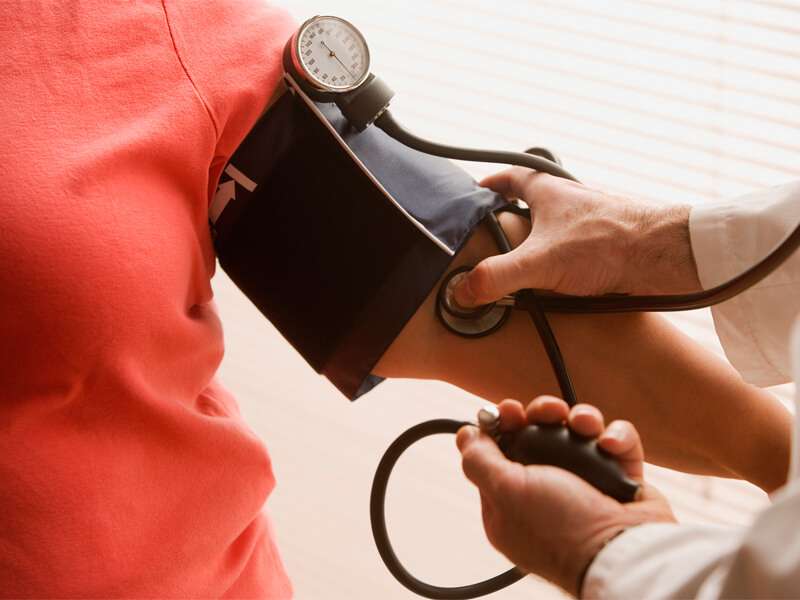
Hypertension, or high blood pressure, is a common condition that often goes unnoticed. It can lead to severe health complications if not properly managed.
- Symptoms may include headaches, shortness of breath, and nosebleeds.
- Diagnosis typically involves measuring blood pressure using a sphygmomanometer during routine exams.
- Treatment options include lifestyle changes such as diet and exercise, as well as medications like diuretics or ACE inhibitors.
- Regular monitoring is essential to adjust treatment plans and ensure effective management.
- Patients can expect to maintain healthier blood pressure levels with proper adherence to treatment and follow-up care.
Effective management of hypertension can greatly reduce the risk of heart disease and stroke, promoting overall well-being.