
DR S Pankaj Nigam
About Me
DR S Pankaj Nigam
MBBS
General Physician
10 Years Experience
Biography
My Clinic
OPD Hours
| Monday | Morning | 10:00 AM | - | 02:00 PM |
| Evening | 06:00 PM | - | 09:00 PM | |
| Tuesday | Morning | 10:00 AM | - | 02:00 PM |
| Evening | 06:00 PM | - | 09:00 PM | |
| Wednesday | Morning | 10:00 AM | - | 02:00 PM |
| Evening | 06:00 PM | - | 09:00 PM | |
| Thursday | Morning | 10:00 AM | - | 02:00 PM |
| Evening | 06:00 PM | - | 09:00 PM | |
| Friday | Morning | 10:00 AM | - | 02:00 PM |
| Evening | 06:00 PM | - | 09:00 PM | |
| Saturday | Morning | 10:00 AM | - | 02:00 PM |
| Evening | 06:00 PM | - | 09:00 PM | |
| Sunday | Morning | 10:00 AM | - | 02:00 PM |
| Evening | 06:00 PM | - | 09:00 PM |
Treatments
Specialised care and treatments offered
OBESITY PREVENTION COUNSELING
The growing prevalence of obesity necessitates early intervention through education about proper nutrition and physical activity habits. Prevention is better than treating established disease states linked to excess weight gain over time.
.CHOLESTEROL MONITORING AND CONTROL

An imbalance in cholesterol levels can contribute significantly to cardiovascular diseases. Understanding your lipid profile supports preventive measures for heart health preservation.
- Main factors involved: Diet rich in saturated fats, sedentary lifestyle plus genetic predisposition affect cholesterol numbers adversely.
- Screening protocols include: Blood tests measuring LDL (bad), HDL (good) cholesterol and triglycerides levels periodically recommended based on age/risk profile.
- Treatment approaches entail: Dietary adjustments focusing on fiber intake; physical activity enhancement; lipid-lowering drugs if required by test results severity.
RESPIRATORY INFECTION TREATMENT
The respiratory tract is vulnerable to infections that range from mild colds to more severe illnesses like bronchitis or pneumonia. Proper care minimizes discomfort and prevents worsening conditions.
- Causative agents & symptoms: Viruses or bacteria causing cough, fever, shortness of breath, mucus production.
- Diagnosis involves: Clinical evaluation supported by chest X-rays or sputum tests if necessary.
- Treatment plans: May include rest, hydration, antiviral/antibiotic medications depending on cause nature and severity.
- Pertinent patient guidance: Avoiding smoking/environmental irritants promotes faster recovery while protecting lung function long-term.
A timely response combined with adherence to medical advice ensures most respiratory infections resolve without complications.
ROUTINE HEALTH CHECK-UPS
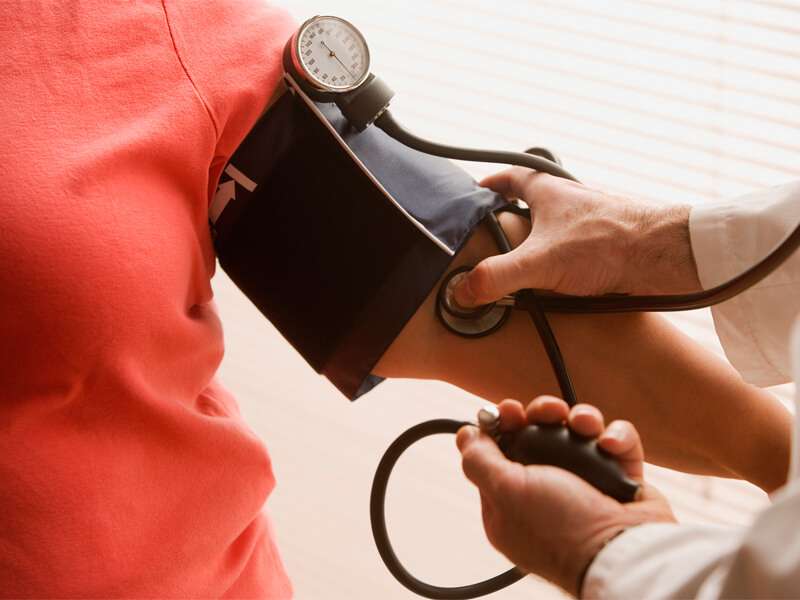
Please ensure regular evaluations of overall health status to detect potential issues early before symptoms appear. Routine check-ups are key in preventive healthcare.
- The purpose: Identify risk factors for chronic diseases including heart conditions, diabetes, cancers.
- The process includes: Physical exams, laboratory tests like blood work, urine analysis, vital signs assessment.
- The benefits: Early intervention leads to better treatment success rates and reduced healthcare costs long term.
- You should expect: Personalized health advice based on findings to maintain wellness or address concerns effectively.
A proactive approach through scheduled check-ups forms the foundation of maintaining good health throughout adulthood.
DIABETES SCREENING AND CARE

Diabetes is a metabolic disorder characterized by high blood sugar levels which can cause various health issues over time. Early detection is crucial for better outcomes.
- Causes and symptoms: Includes frequent urination, increased thirst, fatigue; influenced by genetics and lifestyle.
- Diagnostic methods: Blood tests such as fasting glucose, HbA1c help confirm diagnosis.
- Treatment strategies: Diet modification, regular exercise, oral medications or insulin therapy when needed.
- What patients should expect: Ongoing monitoring to manage blood sugar levels and prevent complications like neuropathy or kidney disease.
Lifelong management with professional support can significantly improve quality of life for those affected by diabetes.
HYPERTENSION MANAGEMENT
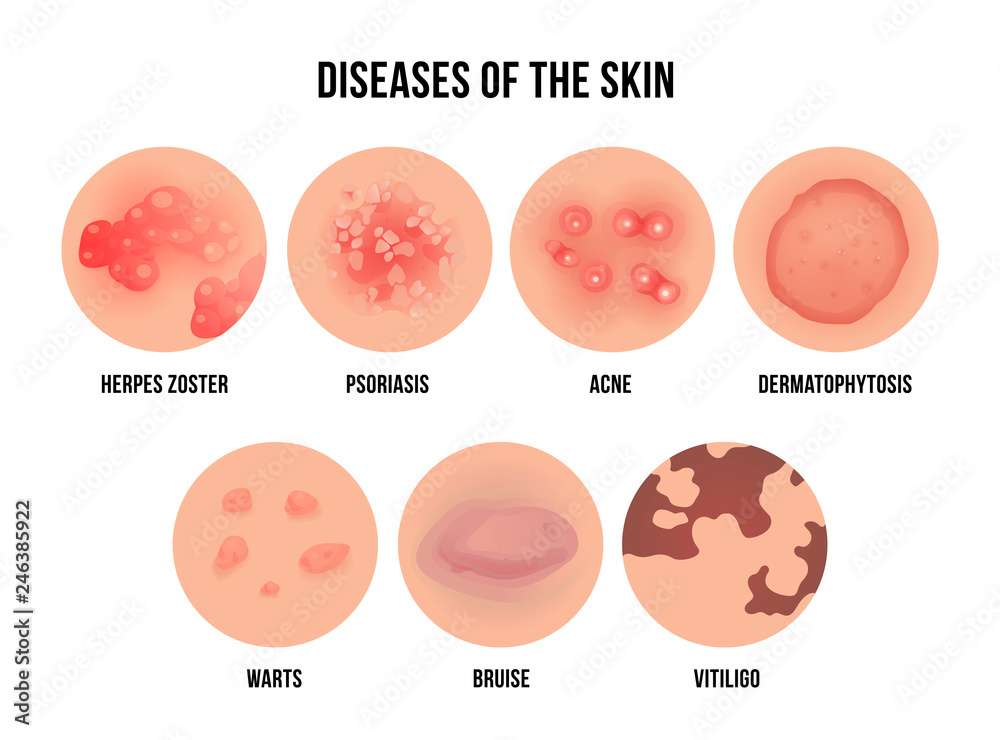
High blood pressure is a common condition that can lead to serious health problems if left untreated. It often develops gradually and may not show obvious symptoms initially.
- Symptoms and causes: Often asymptomatic; caused by genetics, lifestyle factors, stress, and diet.
- Diagnosis: Regular blood pressure monitoring during clinical visits or home checks.
- Treatment options: Lifestyle changes like diet and exercise, medications such as ACE inhibitors or beta-blockers.
- Management expectations: Consistent monitoring helps prevent complications like heart disease and stroke.
Effective control of blood pressure requires a commitment to healthy habits combined with appropriate medical guidance.