
Dr S K Vishwakarm
About Me
Dr S K Vishwakarm
MBBS
General Physician
10 Years Experience
Biography
My Clinic
OPD Hours
| Monday | Morning | 10:00 AM | - | 02:00 PM |
| Evening | 06:00 PM | - | 09:00 PM | |
| Tuesday | Morning | 10:00 AM | - | 02:00 PM |
| Evening | 06:00 PM | - | 09:00 PM | |
| Wednesday | Morning | 10:00 AM | - | 02:00 PM |
| Evening | 06:00 PM | - | 09:00 PM | |
| Thursday | Morning | 10:00 AM | - | 02:00 PM |
| Evening | 06:00 PM | - | 09:00 PM | |
| Friday | Morning | 10:00 AM | - | 02:00 PM |
| Evening | 06:00 PM | - | 09:00 PM | |
| Saturday | Morning | 10:00 AM | - | 02:00 PM |
| Evening | 06:00 PM | - | 09:00 PM | |
| Sunday | Morning | 10:00 AM | - | 02:00 PM |
| Evening | 06:00 PM | - | 09:00 PM |
Treatments
Specialised care and treatments offered
SEASONAL ALLERGIC RHINITIS TREATMENT
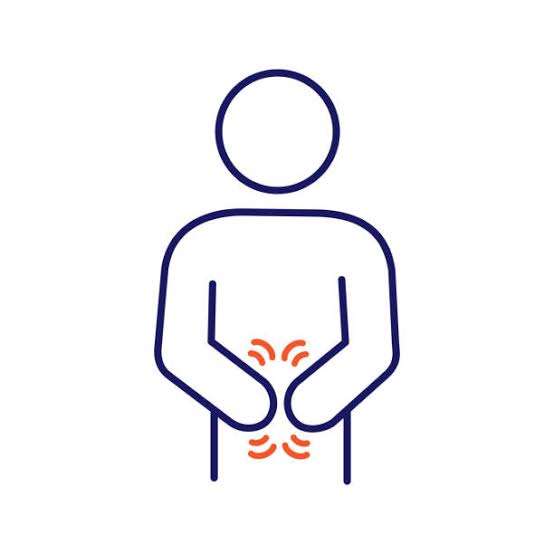
This allergy affects many individuals during certain seasons due to airborne allergens like pollen. Appropriate management can significantly improve comfort during affected months.
- Symptoms & Causes : Sneezing fits;, nasal congestion;, itchy eyes;, triggered principally by pollen exposure
- Diagnosis : Based on patient history;, physical exams;, occasionally allergy testing
- Treatment Modalities : Use of antihistamines;, nasal corticosteroids;, avoidance of known allergens
- Long-Term Control : Immunotherapy may be considered for persistent severe symptoms
Adopting both preventive measures and medication adherence mitigates allergic rhinitis impact effectively each season.
GASTROENTERITIS CARE

An inflammation of the stomach and intestines commonly caused by infections leads to symptoms that need prompt attention. Understanding proper care reduces discomfort and dehydration risks.
- Causative Agents & Symptoms:: Viruses (like norovirus), bacteria or parasites causing diarrhea, vomiting, abdominal cramps, fever;
- Diagnosis : Based primarily on clinical presentation; stool tests may be needed for severe cases;
- Treatment : Hydration restoration with oral rehydration solutions is essential.; symptomatic relief with antiemetics/antidiarrheals as advised;
- Prognosis : Usually self-limiting within a few days if managed appropriately but severe cases require medical intervention;
Early interventions focusing on fluid balance ensure recovery without significant complications from gastroenteritis.
CHILDHOOD ASTHMA MANAGEMENT

Asthma in children requires careful attention to control symptoms and maintain normal activity levels. Understanding triggers helps in successful management strategies at home and school.
- Main Symptoms & Triggers: Wheezing, coughing especially at night or during exercise; triggers include allergens, infections, cold air.
- Diagnostic Methods: Clinical diagnosis supported by spirometry testing where possible to assess lung function.
- Treatment Strategies: Use of inhaled corticosteroids for inflammation control plus bronchodilators during flare-ups;
- Lifestyle Modifications: Avoiding known triggers and maintaining regular medical reviews help keep asthma well-controlled over time.
The goal is to enable children to live an active life while minimizing asthma attacks through individualized care plans.
ACUTE RESPIRATORY INFECTION TREATMENT

Infections of the respiratory tract are common ailments that affect patients across all ages. Timely care can reduce symptoms and prevent escalation into more serious illness.
- Causes and Symptoms: Usually viral origin causing cough, congestion, sore throat, fever; sometimes bacterial infections require antibiotics.
- Diagnosis: Physical examination along with history taking; chest X-ray may be used if pneumonia is suspected.
- Treatment Options: Supportive care including fluids, rest, antipyretics; appropriate antibiotics if bacterial infection is confirmed.
- Expectations: Most viral infections resolve within one to two weeks without complications with proper symptom management.
A cautious approach ensures recovery while avoiding unnecessary antibiotic use in viral cases.
TYPE 2 DIABETES CARE

Type 2 diabetes is a chronic condition affecting how your body regulates blood sugar. Effective management helps prevent serious health issues related to this metabolic disorder.
- Symptoms and Causes: Increased thirst, frequent urination, fatigue; primarily caused by insulin resistance combined with lifestyle factors.
- Diagnosis: Blood tests such as fasting plasma glucose and HbA1c levels confirm the diagnosis.
- Treatment Approaches: Dietary changes focusing on carbohydrate control, physical activity enhancement, oral hypoglycemics, or insulin therapy when necessary.
- Monitoring: Regular glucose monitoring to adjust treatment plans and avoid complications like neuropathy or kidney damage.
A personalized care plan and consistent follow-up can greatly improve quality of life for individuals living with type 2 diabetes.
HYPERTENSION MANAGEMENT
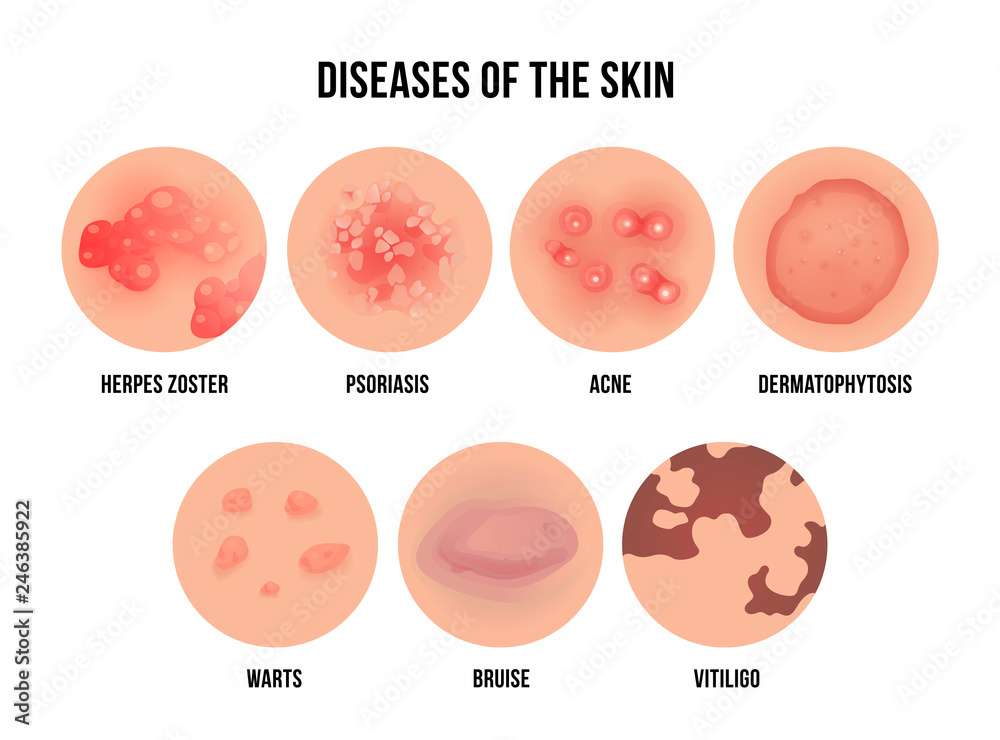
Maintaining healthy blood pressure levels is crucial for overall cardiovascular health. Hypertension, or high blood pressure, often develops quietly but can lead to serious complications if untreated.
- Symptoms and Causes: Often asymptomatic; risk factors include genetics, diet high in salt, obesity, and stress.
- Diagnosis: Confirmed through repeated blood pressure measurements using a sphygmomanometer.
- Treatment Options: Lifestyle modifications such as low-sodium diet, regular exercise, and medications including ACE inhibitors or beta blockers.
- Management: Regular monitoring to prevent complications like heart disease or stroke.
Early identification and ongoing control of elevated blood pressure are key keys to reducing long-term health risks.