
Dr S K Varmani
About Me
Dr S K Varmani
MD
Diabetologist
10 Years Experience
Biography
My Clinic
OPD Hours
| Monday | Morning | 10:00 AM | - | 02:00 PM |
| Evening | 06:00 PM | - | 09:00 PM | |
| Tuesday | Morning | 10:00 AM | - | 02:00 PM |
| Evening | 06:00 PM | - | 09:00 PM | |
| Wednesday | Morning | 10:00 AM | - | 02:00 PM |
| Evening | 06:00 PM | - | 09:00 PM | |
| Thursday | Morning | 10:00 AM | - | 02:00 PM |
| Evening | 06:00 PM | - | 09:00 PM | |
| Friday | Morning | 10:00 AM | - | 02:00 PM |
| Evening | 06:00 PM | - | 09:00 PM | |
| Saturday | Morning | 10:00 AM | - | 02:00 PM |
| Evening | 06:00 PM | - | 09:00 PM | |
| Sunday | Morning | 10:00 AM | - | 02:00 PM |
| Evening | 06:00 PM | - | 09:00 PM |
Treatments
Specialised care and treatments offered
NUTRITIONAL COUNSELING FOR DIABETES

Nutritional counseling plays a pivotal role in managing diabetes effectively. Personalized dietary plans help regulate blood sugar levels while promoting overall wellness among patients living with this chronic condition
DIABETIC RETINOPATHY SCREENING
Diabetic retinopathy occurs when high blood sugar damages the blood vessels in the retina. Regular screening is vital for early detection and prevention of serious vision loss associated with this condition
- This eye condition usually shows no early symptoms until significant damage has occurred; it’s critical to adhere to regular eye check-ups if you have diabetes.
- The diagnosis typically involves comprehensive dilated eye examinations performed by ophthalmologists who specialize in retinal issues related to diabetes.
MANAGEMENT OF PREDIABETES
Prediabetes indicates elevated blood sugar levels that do not yet meet the criteria for type 2 diabetes. Understanding this stage allows for intervention before more serious health issues arise.
- The condition typically comes with minimal symptoms; however, patients may experience increased thirst or frequent urination occasionally.
- A healthcare provider may diagnose prediabetes with fasting glucose testing or an A1C test showing elevated results without reaching diabetic thresholds.
- Lifestyle changes remain the cornerstone of management; achieving moderate weight loss through diet changes—emphasizing low glycemic index foods—is recommended for improved outcomes.
- Additionally, incorporating at least 150 minutes per week of aerobic activity can positively affect insulin sensitivity while lowering risks associated with progression to type 2 diabetes.
Taking proactive steps during prediabetes can have lasting benefits on one's health journey and future well-being.
DIABETIC NEUROPATHY MANAGEMENT
Diabetic neuropathy refers to nerve damage caused by prolonged high blood sugar levels. It commonly affects the feet and hands but can also impact other areas of the body. Early recognition and intervention are key to managing symptoms effectively.
- The signs often include numbness or tingling sensations in extremities or sharp pains that may feel like burning or pain stabbing.
- This condition is diagnosed through comprehensive physical exams alongside symptom assessments and sometimes electrophysiological testing.
- Treatment options include managing blood glucose levels strictly to prevent further damage while utilizing medications like anticonvulsants or antidepressants for pain relief.
- Lifestyle interventions such as regular foot care are critical in preventing complications like infections or ulcers in diabetic patients.
Early management can help maintain mobility and overall quality of life for those affected by diabetic neuropathy.
TYPE 2 DIABETES LIFESTYLE CHANGES
Type 2 diabetes is primarily characterized by insulin resistance, where the body cannot effectively use insulin. Lifestyle modifications are crucial for controlling this condition and preventing complications.
- Common symptoms include increased hunger, weight loss, fatigue, and slow healing of wounds.
- Diagnosis is usually determined through fasting blood glucose tests or an oral glucose tolerance test conducted by healthcare professionals.
- Management focuses on lifestyle changes such as adopting a healthier diet rich in fiber, fruits, vegetables, and whole grains while reducing processed foods.
- Regular exercise is vital; even moderate activity can significantly improve insulin sensitivity and overall health.
- Meds may be prescribed when lifestyle changes alone do not achieve adequate blood sugar control.
A mindful approach to everyday choices can empower individuals with Type 2 diabetes to enhance their quality of life significantly.
TYPE 1 DIABETES MANAGEMENT
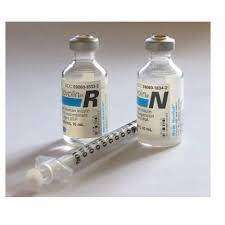
Type 1 diabetes is a condition where the body does not produce insulin, a hormone essential for glucose regulation. This can lead to high blood sugar levels if not managed properly. Patients require lifelong treatment and careful monitoring to maintain their health.
- Symptoms include excessive thirst, frequent urination, extreme fatigue, and blurred vision.
- The diagnosis typically involves blood tests that measure glucose levels; an A1C test may also be used to monitor long-term control.
- Management often requires daily insulin injections or the use of an insulin pump, along with strict dietary guidelines.
- A balanced diet rich in whole foods and regular physical activity are critical components of effective management.
- Continuous monitoring of blood sugar levels is essential to avoid complications such as neuropathy or heart disease.
With proactive management and support, individuals with Type 1 diabetes can lead healthy and fulfilling lives.