
Dr S K Tandon
About Me
Dr S K Tandon
MBBS
General Physician
10 Years Experience
Biography
My Clinic
OPD Hours
| Monday | Morning | 10:00 AM | - | 02:00 PM |
| Evening | 06:00 PM | - | 09:00 PM | |
| Tuesday | Morning | 10:00 AM | - | 02:00 PM |
| Evening | 06:00 PM | - | 09:00 PM | |
| Wednesday | Morning | 10:00 AM | - | 02:00 PM |
| Evening | 06:00 PM | - | 09:00 PM | |
| Thursday | Morning | 10:00 AM | - | 02:00 PM |
| Evening | 06:00 PM | - | 09:00 PM | |
| Friday | Morning | 10:00 AM | - | 02:00 PM |
| Evening | 06:00 PM | - | 09:00 PM | |
| Saturday | Morning | 10:00 AM | - | 02:00 PM |
| Evening | 06:00 PM | - | 09:00 PM | |
| Sunday | Morning | 10:00 AM | - | 02:00 PM |
| Evening | 06:00 PM | - | 09:00 PM |
Treatments
Specialised care and treatments offered
ANEMIA DIAGNOSIS
Anemia occurs when the body lacks enough healthy red blood cells to carry adequate oxygen to tissues. Identifying the type and cause allows appropriate treatment interventions to be implemented efficiently.
THYROID FUNCTION TESTING

The thyroid gland plays a vital role in regulating metabolism through hormone production. Testing its function is essential when symptoms suggest imbalance either towards underactivity or overactivity.
- Telltale Signs: Fatigue, weight changes unexpected by diet shifts, temperature sensitivity variations might indicate thyroid disorders such as hypothyroidism or hyperthyroidism;
GENERAL HEALTH CHECK-UP

A comprehensive health check-up provides an overview of your current wellness status through various basic investigations. It is an important preventive measure tailored to identify early signs of disease before symptoms arise.
- Screens Included: Blood pressure measurement, complete blood count (CBC), blood glucose level analysis among others form core components.
- Purpose of Tests: To detect hidden conditions like anemia, diabetes mellitus or lipid abnormalities promptly so intervention can be started early.
- User Profile: Recommended annually for adults especially those above 40 years or individuals with risk factors such as smoking or sedentary lifestyle habits.
- Benefits Expected: Early diagnosis facilitating timely management helps maintain good quality of life while reducing healthcare costs long term.
CHRONIC OBSTRUCTIVE PULMONARY DISEASE (COPD) ASSESSMENT
COPD encompasses chronic lung diseases that obstruct airflow, making breathing difficult. Accurate assessment aids in symptom management and improving quality of life.
- Main Symptoms: Persistent cough with sputum production, shortness of breath especially during exertion, frequent respiratory infections.
- Cause Identification: Long-term exposure to irritants like tobacco smoke is the primary cause; occupational hazards may also contribute.
- Diagnostic Procedures: Pulmonary function tests (spirometry), chest X-rays or CT scans assist in evaluating lung impairment severity.
- Treatment Approaches: Includes smoking cessation support, bronchodilator medications, pulmonary rehabilitation programs, and oxygen therapy when needed.
An individualized approach focusing on controlling symptoms while preventing exacerbations is central for COPD care.
TYPE 2 DIABETES MELLITUS EVALUATION

Type 2 diabetes is a metabolic disorder characterized by elevated blood sugar levels resulting from insulin resistance. Early evaluation is essential to prevent complications.
- Signs and Causes: Symptoms can include frequent urination, increased thirst, unexplained weight loss; risk factors include obesity and family history.
- Diagnostic Tests: Blood tests such as fasting glucose, HbA1c, and oral glucose tolerance tests are commonly used for diagnosis.
- Treatment Strategies: Management often combines dietary adjustments, physical activity, oral medications, and sometimes insulin therapy.
- Monitoring: Regular follow-up to track glucose levels helps optimize treatment efficacy and reduce risks of nerve damage and cardiovascular disease.
A well-structured evaluation paves the way for personalized care emphasizing lifestyle modification alongside medical treatment.
HYPERTENSION MANAGEMENT

High blood pressure, or hypertension, is a common condition that can lead to serious health complications if left untreated. Managing it effectively helps reduce risks such as heart disease and stroke.
- Symptoms and Causes: Often called the 'silent killer,' hypertension usually has no symptoms but can be influenced by genetics, lifestyle factors, and diet.
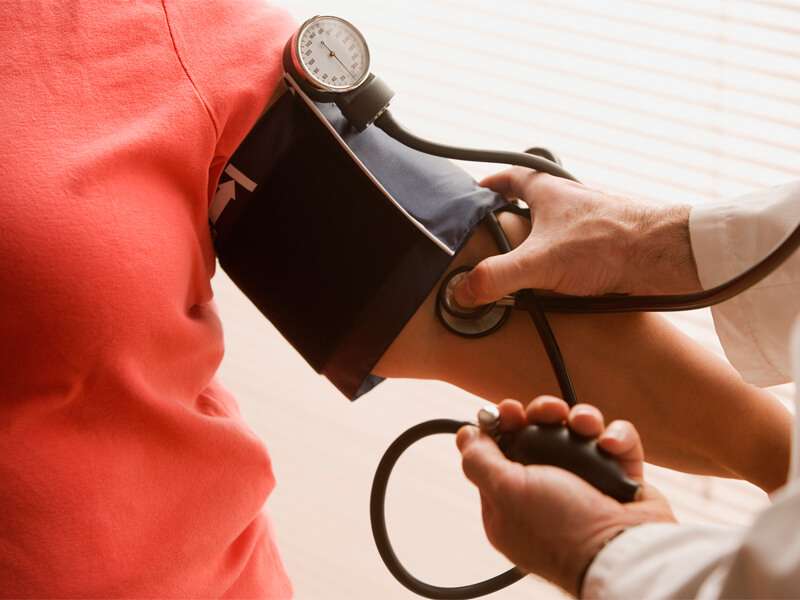
- Diagnosis: Blood pressure is measured using a cuff; multiple readings over time help confirm persistent high levels.
- Treatment Options: Lifestyle changes including diet and exercise, along with prescribed medications like ACE inhibitors or beta blockers, are typically recommended.
- Expectations: Regular monitoring and adherence to treatment plans can effectively control blood pressure and minimize complications.
Early detection combined with consistent management plays a key role in maintaining long-term cardiovascular health.