
DR S K Singh
About Me
DR S K Singh
MS
Orthopaedic Surgeons
10 Years Experience
Biography
My Clinic
OPD Hours
| Monday | Morning | 10:00 AM | - | 02:00 PM |
| Evening | 06:00 PM | - | 09:00 PM | |
| Tuesday | Morning | 10:00 AM | - | 02:00 PM |
| Evening | 06:00 PM | - | 09:00 PM | |
| Wednesday | Morning | 10:00 AM | - | 02:00 PM |
| Evening | 06:00 PM | - | 09:00 PM | |
| Thursday | Morning | 10:00 AM | - | 02:00 PM |
| Evening | 06:00 PM | - | 09:00 PM | |
| Friday | Morning | 10:00 AM | - | 02:00 PM |
| Evening | 06:00 PM | - | 09:00 PM | |
| Saturday | Morning | 10:00 AM | - | 02:00 PM |
| Evening | 06:00 PM | - | 09:00 PM | |
| Sunday | Morning | 10:00 AM | - | 02:00 PM |
| Evening | 06:00 PM | - | 09:00 PM |
Treatments
Specialised care and treatments offered
HERNIATED DISC
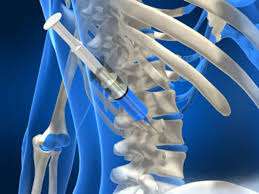
A herniated disc occurs when one of the spinal discs protrudes out from its normal position due to degeneration or injury. This condition can lead to significant back pain and potentially affect surrounding nerves depending on its location along the spine.
- Symptoms often manifest as radiating leg pain accompanied by lower back discomfort; weakness might occur in specific muscle groups as well.
- Diagnosis primarily hinges upon detailed medical evaluations alongside imaging techniques like MRIs for confirmation purposes occurring prior treatments being initiated .
- Management commonly entails exercise regimens focusing on core strengthening combined possibly with therapies aimed at mitigating inflammation such as acupuncture , chiropractic care , etc .
- Surgical interventions might be warranted only if non-invasive approaches yield insufficient results yielding debilitating consequences impacting lifestyle choices considerably .
Tackling herniated discs promptly enhances recovery prospects contributing toward restoring functional capabilities back into active lives!
CARPAL TUNNEL SYNDROME

This syndrome arises when pressure is placed on the median nerve within the wrist, causing symptoms ranging from tingling sensations to severe discomfort. It commonly affects individuals engaged in repetitive wrist movements or those with certain medical conditions such as diabetes or arthritis.
- Main indicators include numbness in fingers especially during nighttime coupled with weakness when gripping objects firmly;
- Differential diagnosis relies on clinical assessments involving nerve conduction studies alongside physical exams targeting wrist movements for identifying symptoms accurately;
- The initial focus usually lies on non-invasive approaches such as wearing splints at night while addressing underlying causes like swelling through medication usage
- Surgical release procedures may become necessary if conservative options fail substantially;
Early diagnosis marks an essential pathway towards achieving favorable outcomes for those grappling with carpal tunnel syndrome.
PLANTAR FASCIITIS

This common foot ailment occurs when the plantar fascia—the ligament connecting the heel bone to the toes—becomes inflamed. It often leads to heel pain that can significantly affect daily activities if left unaddressed.
- Main symptoms include sharp heel pain especially upon waking or after prolonged sitting; tenderness may also develop along the arch of the foot.
- A clinical examination combined with patient history typically facilitates a swift diagnosis; imaging tests are seldom necessary unless other conditions are suspected.
- Treatment often encompasses stretching exercises, orthotic supports for footwear, anti-inflammatory medications, plus physical therapy sessions focused on rehabilitation techniques.
- Corticosteroids might be considered for persistent cases not responding well to conservative methods; very few require surgery as a last resort option if all else fails.
A timely intervention strategy improves outcomes significantly while alleviating discomfort associated with plantar fasciitis effectively over time!
ROTATOR CUFF INJURY

A rotator cuff injury involves damage or tear in the group of muscles and tendons surrounding the shoulder joint. This type of injury is frequently seen in athletes but can also occur due to repetitive motions in everyday activities.
- Sufferers often experience a dull ache in the shoulder that worsens with activity; it may also limit range of motion significantly.
- The diagnosis typically involves a comprehensive evaluation including impingement tests, X-rays, or MRI scans for confirmation.
- Treatment options range from resting the shoulder to physical therapy aimed at strengthening surrounding muscles and improving mobility.
- Surgical intervention might be required for severe tears that do not respond to conservative treatments.
- The expected recovery period varies but generally includes structured rehabilitation phases for optimal healing.
An understanding of rotator cuff injuries allows patients to engage actively in rehabilitation efforts leading towards better shoulder function over time.
TENDINITIS

Tendinitis occurs when tendons become inflamed or irritated due to overuse or injury, commonly affecting areas such as the shoulders, elbows, knees, and wrists. Recognizing symptoms early can facilitate timely treatment and prevent chronic issues.
- Common symptoms involve localized pain and tenderness near joints during movement.
- A thorough physical examination, along with imaging tests like ultrasounds or MRIs, helps in diagnosing this condition accurately.
- Treatment typically starts with resting the affected area and applying ice; anti-inflammatory medications may also be advised.
- Physical therapy exercises are often recommended to strengthen the tendon and improve flexibility.
- If conservative measures fail, more advanced treatments like corticosteroid injections could be considered.
A proactive approach to managing tendinitis can lead to improved functionality and a faster recovery timeline for patients seeking relief from discomfort.
OSTEOARTHRITIS

Osteoarthritis is a degenerative joint disease that affects millions of individuals globally, leading to pain and stiffness. This condition gradually damages the cartilage, which cushions bones in the joints, making movement difficult over time.
- Symptoms include joint pain, swelling, and reduced flexibility.
- This condition is diagnosed through a combination of medical history, physical examination, and imaging tests like X-rays or MRIs.
- Treatment options can range from lifestyle modifications, such as weight management and physical therapy, to medications for pain relief.
- In some cases, surgical interventions may be necessary to repair or replace damaged joints.
- Patients can expect ongoing management and periodic evaluations to monitor their condition and adjust treatment plans as needed.
Understanding osteoarthritis is crucial for effective long-term management, enabling individuals to maintain their mobility and quality of life.