
Dr S K Mishra
About Me
Dr S K Mishra
MBBS
General Physician
Biography
My Clinic
OPD Hours
| Monday | Morning | 10:00 AM | - | 02:00 PM |
| Evening | 06:00 PM | - | 09:00 PM | |
| Tuesday | Morning | 10:00 AM | - | 02:00 PM |
| Evening | 06:00 PM | - | 09:00 PM | |
| Wednesday | Morning | 10:00 AM | - | 02:00 PM |
| Evening | 06:00 PM | - | 09:00 PM | |
| Thursday | Morning | 10:00 AM | - | 02:00 PM |
| Evening | 06:00 PM | - | 09:00 PM | |
| Friday | Morning | 10:00 AM | - | 02:00 PM |
| Evening | 06:00 PM | - | 09:00 PM | |
| Saturday | Morning | 10:00 AM | - | 02:00 PM |
| Evening | 06:00 PM | - | 09:00 PM | |
| Sunday | Morning | 10:00 AM | - | 02:00 PM |
| Evening | 06:00 PM | - | 09:00 PM |
Treatments
Specialised care and treatments offered
PREVENTIVE HEALTH SCREENINGS
The cornerstone of primary care lies within preventive health screenings aimed at identifying potential health issues before they become severe. Regular screenings serve as vital tools in safeguarding your overall health status over time
.- Key Benefits: Early detection allows for prompt treatment measures that significantly increase recovery chances.
- Screening Tests: Various evaluations including cholesterol checks outside general wellness exams are recommended based upon risk factors such as age/gender/family history during consultations annually.< / l i >
- Schedule Frequency: Based upon individualized assessment results whether risks were identified previously in previous appointments—frequency timelines would vary accordingly among patients involved according their need assessments?
Engaging actively within these processes promotes healthier lifestyles while proactively addressing concerning matters preemptively!
GASTROESOPHAGEAL REFLUX DISEASE (GERD) MANAGEMENT

This condition occurs when stomach acid frequently flows back into the tube connecting your mouth and stomach (esophagus), leading to discomfort known as acid reflux. Effective management strategies can alleviate symptoms significantly over time.
- Symptoms: The most common signs involve heartburn sensation after meals or lying down; regurgitation may also occur among individuals suffering from GERD.
- Diagnosis: A healthcare provider may perform upper endoscopy for direct examination along with patient history reviews associated with dietary patterns.
- Treatment Options: Lifestyle adjustments—including dietary changes—losing excess weight coupled with antacids have proven beneficial; chronic cases often require prescription medications.
Regular monitoring along with professional guidance helps manage GERD effectively while reducing impacts on daily living activities.
THYROID DYSFUNCTION EVALUATION

The thyroid gland plays a crucial role in regulating metabolism through hormone production. Disorders related to thyroid function can have widespread effects on overall health.
- Symptoms: Patients might notice unexplained weight changes, mood swings, fatigue, or sensitivity to temperature extremes as indications of thyroid issues.
- Diagnosis: Blood tests measuring TSH (Thyroid Stimulating Hormone) and other thyroid hormones provide insight into thyroid functioning status.
- Treatment Options: Depending on whether the condition involves underactive or overactive thyroid function, treatments may include hormone replacement therapy or medications to reduce hormone production.
A careful evaluation by a healthcare provider ensures appropriate interventions that align with individual patient needs regarding thyroid dysfunctions.
RESPIRATORY INFECTIONS TREATMENT
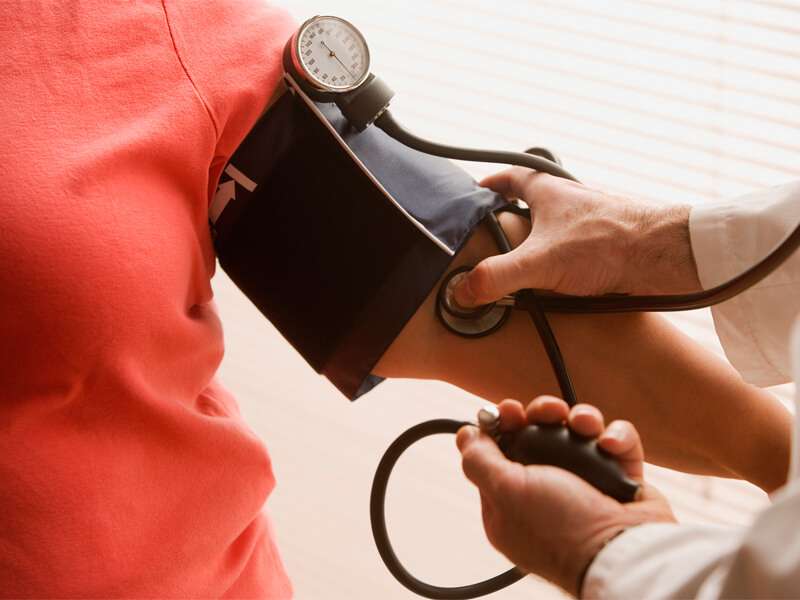
Respiratory infections encompass a wide range of illnesses affecting the airways and lungs. They can range from mild colds to more severe conditions like pneumonia.
- Symptoms: Patients may experience coughing, difficulty breathing, chest pain, fever, or fatigue depending on the severity of the infection.
- Diagnosis: A thorough medical history review along with physical examination and sometimes imaging studies such as X-rays help in diagnosing respiratory infections accurately.
- Treatment Options: Management includes rest, hydration, over-the-counter medications for symptom relief, and antibiotics if bacterial infection is suspected.
- Caution: Seek immediate medical attention for severe symptoms like high fever or significant breathing difficulties.
Timely intervention can alleviate symptoms quickly and prevent complications from respiratory infections.
DIABETES SCREENING AND MANAGEMENT

Diabetes is a metabolic disorder characterized by high blood sugar levels due to inadequate insulin production or insensitivity. Early diagnosis is crucial for effective management.
- Symptoms: Common indicators include excessive thirst, frequent urination, fatigue, and blurred vision.
- Diagnosis: Blood tests such as the fasting plasma glucose test or hemoglobin A1c test help determine blood sugar levels over time.
- Treatment: Depending on the type of diabetes, management options range from lifestyle modifications to insulin or oral medications.
- Monitoring: Regular check-ups are necessary to adjust treatment plans and ensure optimal control of blood sugar levels.
A comprehensive diabetes management plan can significantly enhance quality of life and prevent complications associated with the disease.
HYPERTENSION MANAGEMENT

Hypertension, or high blood pressure, is a chronic condition that can lead to serious health complications if left unmanaged. It often shows no symptoms, making regular screening essential.
- Symptoms: Many patients are asymptomatic; however, severe hypertension may cause headaches, shortness of breath, and nosebleeds.
- Diagnosis: Blood pressure is measured using a sphygmomanometer; it is crucial to monitor readings at different times for accurate assessment.
- Treatment Options: Lifestyle changes such as diet and exercise are fundamental. Medications like diuretics and ACE inhibitors may be prescribed when necessary.
- Management: Regular follow-ups and maintaining a healthy lifestyle play a key role in managing this condition effectively.
Sustained hypertension can lead to heart disease or stroke, making proactive management vital for long-term health.