
Dr S K Gupta
About Me
Dr S K Gupta
MBBS
General Physician
10 Years Experience
Biography
My Clinic
OPD Hours
| Monday | Morning | 10:00 AM | - | 02:00 PM |
| Evening | 06:00 PM | - | 09:00 PM | |
| Tuesday | Morning | 10:00 AM | - | 02:00 PM |
| Evening | 06:00 PM | - | 09:00 PM | |
| Wednesday | Morning | 10:00 AM | - | 02:00 PM |
| Evening | 06:00 PM | - | 09:00 PM | |
| Thursday | Morning | 10:00 AM | - | 02:00 PM |
| Evening | 06:00 PM | - | 09:00 PM | |
| Friday | Morning | 10:00 AM | - | 02:00 PM |
| Evening | 06:00 PM | - | 09:00 PM | |
| Saturday | Morning | 10:00 AM | - | 02:00 PM |
| Evening | 06:00 PM | - | 09:00 PM | |
| Sunday | Morning | 10:00 AM | - | 02:00 PM |
| Evening | 06:00 PM | - | 09:00 PM |
Treatments
Specialised care and treatments offered
THYROID DISORDER EVALUATION
The thyroid gland regulates metabolism through hormone production. Disorders arise when this balance is disrupted leading to underactive or overactive states requiring medical attention.
- Causative Conditions: Hypothyroidism results from insufficient hormone production; hyperthyroidism involves excessive hormone levels often due to autoimmune causes.
- Diagnostic Tests: Blood tests measuring TSH and thyroid hormone levels determine the specific disorder type accurately;
- Treatment Protocols: Synthetic hormones replace deficiency in hypothyroidism; antithyroid drugs or radioactive iodine address hyperthyroidism depending on severity;
CHRONIC OBSTRUCTIVE PULMONARY DISEASE (COPD) CARE

COPD encompasses progressive lung diseases that inhibit airflow causing breathing difficulties. Patient education is vital for managing this chronic condition effectively.
- Symptoms: A persistent cough with mucus production , shortness of breath , wheezing , especially upon exertion .
- Diagnosis: Spirometry testing assesses lung function confirming airflow obstruction characteristic of COPD .
- Treatment : Smoking cessation remains critical ; inhaled bronchodilators , corticosteroids , pulmonary rehabilitation programs assist symptom control .
- What To Expect : COPD requires lifelong management focused on slowing disease progression , reducing exacerbations , enhancing quality of life .
Early diagnosis combined with adherence to treatment can substantially improve respiratory function and patient outcomes in COPD .
GASTROESOPHAGEAL REFLUX DISEASE (GERD) MANAGEMENT

This digestive disorder occurs when stomach acid frequently flows back into the esophagus causing discomfort. Understanding GERD helps minimize its impact on daily life.
- Causal Factors & Symptoms: Heartburn, regurgitation of acid, chest pain are typical signs influenced by diet habits and obesity.
- The Diagnostic Process: Endoscopy or pH monitoring confirm diagnosis in persistent cases beyond clinical evaluation.
- Treatment Modalities: Lifestyle changes such as avoiding trigger foods combined with medications that reduce acid production provide relief.
- Lifestyle Advice & Outlook: Weight management and smoking cessation improve symptoms significantly; most patients respond well to treatment without surgery.
An informed approach towards GERD allows patients to manage symptoms effectively while preventing esophageal damage over time.
ACUTE RESPIRATORY INFECTION TREATMENT
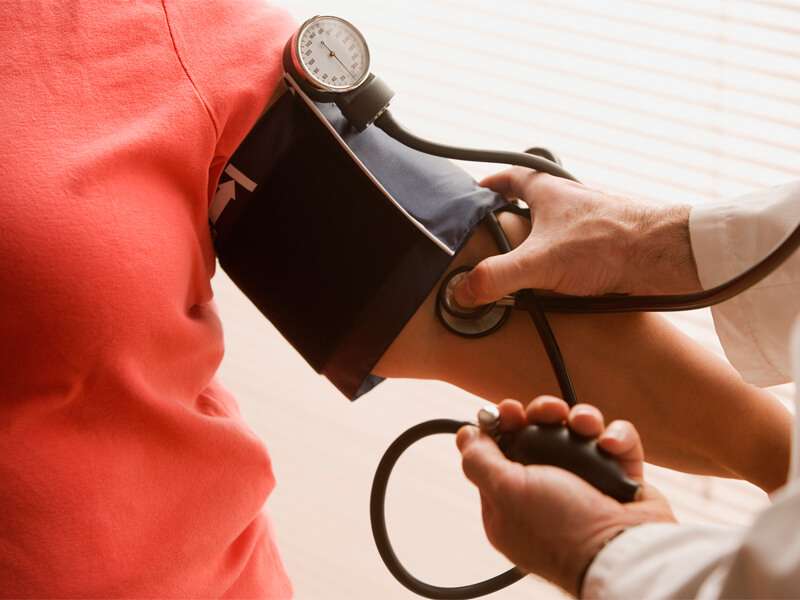
Respiratory infections are widespread conditions affecting the airways, often caused by viruses or bacteria. Early recognition aids in effective recovery.
- Common Symptoms: Coughing, sore throat, nasal congestion, fever, and sometimes difficulty breathing indicate infection.
- Identification: Clinical examination supported by throat swabs or chest X-rays when necessary assist diagnosis.
- Treatment Approaches: Depending on cause—rest, hydration, symptomatic relief with medications; antibiotics prescribed only for bacterial infections.
- The Recovery Process: Symptoms usually improve within days; however, medical advice should be sought if they worsen or persist beyond typical duration.
A timely intervention can prevent complications like pneumonia or chronic bronchitis following acute respiratory infections.
DIABETES MELLITUS CONTROL

Diabetes mellitus is a metabolic disorder characterized by high blood sugar levels due to insulin issues. Understanding this condition helps in preventing long-term complications.
- Symptoms and Causes: Common signs include increased thirst, frequent urination, and fatigue; causes involve genetic and lifestyle factors.
- Diagnosis: Blood tests such as fasting glucose and HbA1c determine the presence and severity of diabetes.
- Treatment Strategies: Incorporate diet management, regular physical activity, oral medications, or insulin therapy tailored to individual needs.
- Ongoing Care: Regular follow-up visits ensure optimal blood sugar control and screening for possible complications like neuropathy or kidney damage.
A proactive approach in diabetes care helps maintain quality of life and prevents progression of the disease.
HYPERTENSION MANAGEMENT
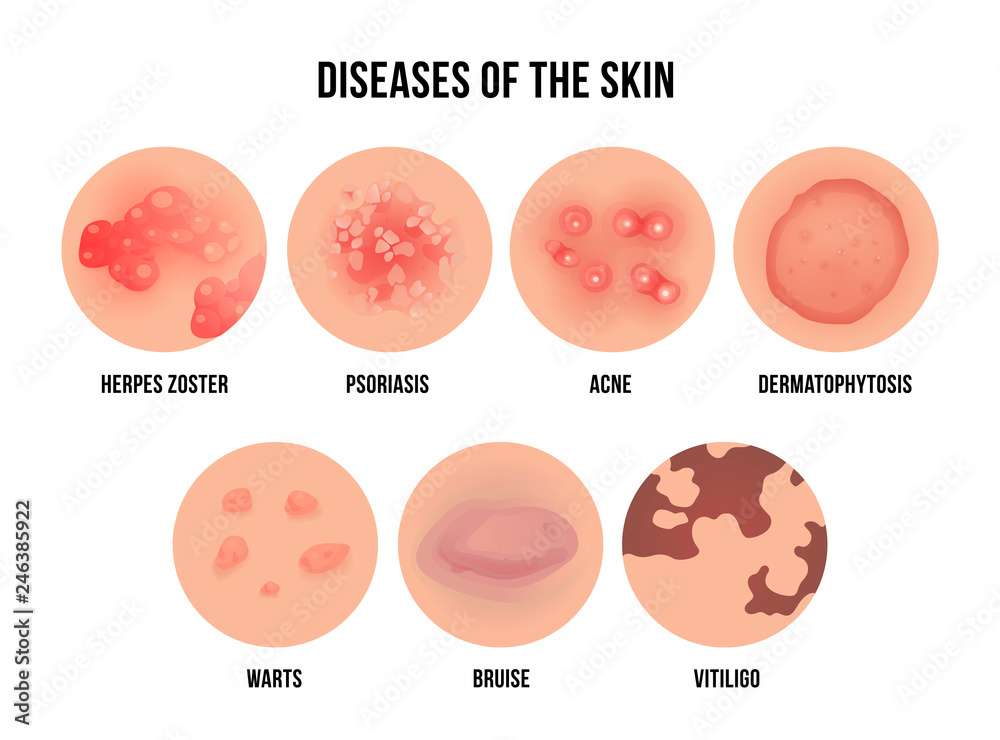
High blood pressure, or hypertension, is a common condition that affects many adults and can lead to serious health problems if untreated. It often develops silently, making regular monitoring crucial.
- Causes and Symptoms: Often caused by lifestyle factors like diet and stress; symptoms may be absent but can include headaches or dizziness.
- Diagnosis: Multiple blood pressure readings over time confirm the condition.
- Treatment Options: Lifestyle changes such as diet and exercise, along with medications when necessary to control blood pressure effectively.
- Management: Continuous monitoring and adherence to treatment plans prevent complications such as heart disease or stroke.
With proper care, living a healthy life while managing hypertension is entirely achievable, reducing the risk of severe cardiovascular events.