
Dr S K Gupta Advance Laparoscopic & Gynae Clinic
About Me
Dr S K Gupta Advance Laparoscopic & Gynae Clinic
MS
Orthopaedic Surgeons
10 Years Experience
Biography
My Clinic
OPD Hours
| Monday | Morning | 10:00 AM | - | 02:00 PM |
| Evening | 06:00 PM | - | 09:00 PM | |
| Tuesday | Morning | 10:00 AM | - | 02:00 PM |
| Evening | 06:00 PM | - | 09:00 PM | |
| Wednesday | Morning | 10:00 AM | - | 02:00 PM |
| Evening | 06:00 PM | - | 09:00 PM | |
| Thursday | Morning | 10:00 AM | - | 02:00 PM |
| Evening | 06:00 PM | - | 09:00 PM | |
| Friday | Morning | 10:00 AM | - | 02:00 PM |
| Evening | 06:00 PM | - | 09:00 PM | |
| Saturday | Morning | 10:00 AM | - | 02:00 PM |
| Evening | 06:00 PM | - | 09:00 PM | |
| Sunday | Morning | 10:00 AM | - | 02:00 PM |
| Evening | 06:00 PM | - | 09:00 PM |
Treatments
Specialised care and treatments offered
HIP BURSITIS
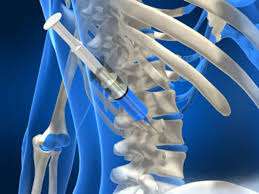
Hip bursitis refers specifically inflammation involving bursae at hip joints—small fluid-filled sacs cushioning bones tendons muscles around hip area making natural movements easier less painful possible .
- Symptoms often consist nagging lateral hip pain worsens direct pressure walking even rising from seated positions ; ability navigate stairs move sideways severely compromised where mobility constraints appear muscle weakness noticeable too..
- Diagnosis primarily involves completing comprehensive physical evaluations searching various causes using imaging solutions determine problem severity conditions contributing factors considered together carefully .
- Managing hip bursitis frequently incorporates minimizing impact upon relevant structures while adapting activities accordingly engaging stretching strengthening techniques which promote flexibility most importantly reducing irritation through methods alternating heat cold applications combating persistent inflammation within local tissues utilized easily everyday items handy everyone have access..
- Rarely does acute episode flow into urgent need undergo surgical repair unless severe cases arise involving bone fractures further complicating additional underlying issues present together — swift interventions solve emerging challenges faced quickly thereafter understood generally speaking moderate attention needed following profession recommendations shape desired outcomes successfully achieve relief aim return fullest capabilities smooth transitional outcomes .
Addressing hip bursitis swiftly essential helping individuals regain confidence pursue more active lifestyles filled enriching experiences free excessive limitations resulting discomfort keep hindering momentum freely progress forward effectively achieving goals simplistically stated manner today’s context matters deeply affecting so many lives all across world personally detailed understanding critical underpins successful navigation entire journey unfold throughout lifetime's endeavors continuously reflect happiness obtained merely being alive flourishing abundantly within societal frameworks advancing ever onwards together !
PLANTAR FASCIITIS

This common foot ailment arises when the plantar fascia—a thick band of tissue connecting heel bones to toes—becomes inflamed. It manifests primarily as heel pain aggravated by standing or walking after periods of inactivity.
- Main signs include sharp heel pain especially noticeable first thing in the morning or after sitting for long durations throughout the day.
- A diagnosis is made via patient details regarding symptoms along with a careful physical exam assessing foot structure stability and strength testing for tenderness locations..
- Treatment options mainly revolve around rest combined with stretching exercises targeting calf muscles and plantar fascia themselves adjacent areas alternative therapies such as orthotic devices shoe modifications prescribed anti-inflammatory medications provide additional support manage discomfort..
- Chronic cases could lead towards considering steroid injections when prolonged conservative treatments fail improving activity level qualifty life overall .
Managing plantar fasciitis proactively helps ensure long term comfort mobility while enjoying life again without ongoing issues .
TENDINITIS

Tendinitis refers to inflammation of a tendon due to overuse or injury. Commonly affecting areas include shoulders (rotator cuff tendinitis), elbows (tennis elbow), and knees (jumper’s knee).
- Sufferers typically experience localized pain around joints during movement along with tenderness upon touch.
- A healthcare provider will usually diagnose tendinitis based on patient history coupled with a physical examination; imaging tests may be warranted for severe cases.
- The initial treatment response focuses on rest from aggravating activities combined with ice application to reduce swelling.
- Physical therapy emphasizes strength-building exercises alongside stretches tailored for specific tendons impacted by injury or overuse patterns.
- Persistent cases might necessitate corticosteroid injections or surgical evaluation if conservative approaches do not yield improvement over time.
Efficacious management of tendinitis allows patients to regain full function while preventing recurrence through education about proper body mechanics during activities
CARPAL TUNNEL SYNDROME

Carpal tunnel syndrome occurs when the median nerve is compressed as it passes through the narrow carpal tunnel in the wrist. It frequently results from repetitive hand movements or conditions that cause swelling.
- Main symptoms encompass tingling sensations in fingers, hand weakness, and chronic wrist discomfort that may radiate up the arm.
- A diagnosis is made via clinical assessment alongside nerve conduction studies to measure electrical signals in the median nerve.
- Non-surgical management includes wrist splinting during sleep and ergonomic adjustments at work stations to reduce strain on the wrist.
- Physical therapy focused on stretching exercises can also provide significant relief from symptoms.
- If non-invasive treatments prove ineffective after some time, surgical intervention may be an option to relieve pressure on the nerve.
This condition highlights how proactive measures can make a significant difference in recovery timelines for patients experiencing symptoms of carpal tunnel syndrome.
ROTATOR CUFF INJURY

A rotator cuff injury involves damage to the group of muscles and tendons that stabilize the shoulder joint. This common issue can lead to pain and limited mobility in the arm.
- Common symptoms include shoulder pain during activities, weakness in arm elevation, and restricted movement.
- Diagnosis typically requires a thorough clinical assessment followed by imaging studies such as MRI or ultrasound scans to evaluate tendon integrity.
- Treatment often starts with conservative methods like rest, ice application, and physical therapy aimed at strengthening shoulder muscles.
- Corticosteroid injections may be utilized to alleviate inflammation if necessary.
- A well-structured rehabilitation program can significantly improve functional outcomes over time.
Addressing rotator cuff injuries early on can help prevent further complications and enhance recovery chances.
OSTEOARTHRITIS

Osteoarthritis is a degenerative joint disease characterized by the breakdown of cartilage, leading to pain and stiffness. It commonly affects weight-bearing joints such as the knees and hips.
- Symptoms include joint pain, swelling, and decreased range of motion.
- The condition is often diagnosed through a combination of physical examination, medical history, and imaging tests like X-rays.
- Treatment options may involve lifestyle modifications, including weight management, physical therapy, and medications to relieve pain.
- In some cases where conservative measures fail, more invasive treatments like injections or surgery might be considered.
- With appropriate management, individuals can maintain functionality and improve their quality of life.
Understanding osteoarthritis is crucial for effective management and maintaining an active lifestyle despite this condition.