
Dr S K Bhatter
About Me
Dr S K Bhatter
MD
Diabetologist
10 Years Experience
Biography
My Clinic
OPD Hours
| Monday | Morning | 10:00 AM | - | 02:00 PM |
| Evening | 06:00 PM | - | 09:00 PM | |
| Tuesday | Morning | 10:00 AM | - | 02:00 PM |
| Evening | 06:00 PM | - | 09:00 PM | |
| Wednesday | Morning | 10:00 AM | - | 02:00 PM |
| Evening | 06:00 PM | - | 09:00 PM | |
| Thursday | Morning | 10:00 AM | - | 02:00 PM |
| Evening | 06:00 PM | - | 09:00 PM | |
| Friday | Morning | 10:00 AM | - | 02:00 PM |
| Evening | 06:00 PM | - | 09:00 PM | |
| Saturday | Morning | 10:00 AM | - | 02:00 PM |
| Evening | 06:00 PM | - | 09:00 PM | |
| Sunday | Morning | 10:00 AM | - | 02:00 PM |
| Evening | 06:00 PM | - | 09:00 PM |
Treatments
Specialised care and treatments offered
DIABETIC RETINOPATHY

This eye-related complication stems from damage caused by high blood sugar levels affecting retinal vessels over time. Diabetic retinopathy can lead to serious vision problems if detected late or untreated!
- Early symptoms might involve blurry vision at first which progresses unnoticed until significant damage occurs—regular screenings become crucial here!
- Eye examinations utilizing dilation techniques reveal underlying changes indicating diabetic retinopathy severity determining stages accordingly helping guide appropriate treatment routes moving forward effectively!
- Available approaches range from controlling underlying diabetes via nutritional adjustments alongside medical treatments targeting vessel growth experienced through laser therapies / injections designed exclusively addressing these alterations directly improving outcomes long-term!
Maintaining good overall health practices mitigates risks related towards vision altogether safeguarding sight exceptionally well & beyond!
PREDIABETES
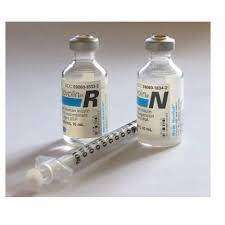
Prediabetes refers to elevated blood sugar levels that do not yet meet the criteria for Type 2 diabetes. Recognizing this condition early on is paramount since it provides an opportunity for intervention before progression occurs.
- This condition often has no clear symptoms; however, risk factors like being overweight or having a family history of diabetes can increase susceptibility significantly.
- A simple fasting blood sugar test or an HbA1c test will determine if you’re in the prediabetic range between normal values and diabetes thresholds accurately diagnosing this state;
- Lifestyle modifications remain critical here: adopting healthy eating habits, increasing physical activity regularly while seeking medical guidance helps reverse prediabetes!
Early identification combined with motivated action steps leads many back into normal ranges without needing medication!
GESTATIONAL DIABETES
Gestational diabetes occurs during pregnancy when your body cannot produce enough insulin. It is critical as it affects not only the mother but also potentially impacts fetal health if not managed correctly.
- Signs may include unusual thirst and frequent urination; however, many women do not experience noticeable symptoms making screening essential during pregnancy evaluations.
- Diagnosis typically involves a glucose challenge test conducted around the second trimester; abnormal results indicate further testing is needed.
- Treatment focuses on diet modifications aimed at controlling blood sugar levels followed by regular exercise; some women might require insulin therapy for optimal management.
- Barring any complications, most women regain normal glucose metabolism after childbirth but ongoing monitoring remains essential post-pregnancy too!
A successful management strategy ensures safety for both mother and baby throughout this period!
DIABETIC NEUROPATHY
Diabetic neuropathy refers to nerve damage caused by prolonged high blood sugar levels. It often presents as a complication in people living with diabetes who have had uncontrolled blood sugar for years.
- The condition may manifest as tingling sensations, numbness in extremities, or sharp pain that affects daily activities.
- A thorough medical history review and nerve conduction tests help confirm the diagnosis of diabetic neuropathy.
- Treatment includes tight glycemic control to halt progression and medications designed to alleviate pain like antidepressants or anticonvulsants are often used as well.
- An emphasis on lifestyle modifications such as quitting smoking and managing heart health forms part of an effective strategy against neuropathy complications.
Caring for your feet is also crucial since diabetic neuropathy can impair sensation leading to serious injuries if left unchecked.
TYPE 2 DIABETES
This common form of diabetes primarily arises from insulin resistance, where the body does not use insulin effectively. Over time, this leads to increased blood sugar levels and can significantly impact overall health.
- Symptoms may include increased hunger and thirst, blurred vision, and slow healing wounds.
- A healthcare professional usually diagnoses it through blood tests measuring fasting glucose levels or an oral glucose tolerance test.
- Treatment options include lifestyle changes such as adopting a balanced diet, regular physical activity, and possibly oral medications or insulin if necessary.
- Continuous monitoring of blood sugar levels is vital for adjusting treatment plans accordingly.
- A comprehensive management plan focuses on maintaining healthy weight and reducing cardiovascular risk factors associated with the disease.
By following these guidelines, many individuals successfully manage their condition and improve their quality of life.
TYPE 1 DIABETES
Type 1 diabetes is an autoimmune condition where the body’s immune system attacks insulin-producing beta cells in the pancreas. This results in a complete deficiency of insulin, leading to elevated blood glucose levels.
- Symptoms may include excessive thirst, frequent urination, extreme fatigue, and unintentional weight loss.
- Diagnosis typically involves measuring blood sugar levels through fasting tests or an HbA1c test to assess long-term glucose control.
- Treatment primarily consists of lifelong insulin therapy, which can be administered via injections or insulin pumps to maintain blood glucose levels within target ranges.
- Regular monitoring of blood glucose is essential, along with a tailored diet and exercise plan to help manage the condition effectively.
- Create an emergency plan for recognizing signs of hypoglycemia and know when to seek assistance.
With appropriate management, individuals with Type 1 diabetes can lead healthy lives while minimizing complications.