
Dr S C Putty
About Me
Dr S C Putty
MBBS
Cardiologist
10 Years Experience
Biography
My Clinic
OPD Hours
| Monday | Morning | 10:00 AM | - | 02:00 PM |
| Evening | 06:00 PM | - | 09:00 PM | |
| Tuesday | Morning | 10:00 AM | - | 02:00 PM |
| Evening | 06:00 PM | - | 09:00 PM | |
| Wednesday | Morning | 10:00 AM | - | 02:00 PM |
| Evening | 06:00 PM | - | 09:00 PM | |
| Thursday | Morning | 10:00 AM | - | 02:00 PM |
| Evening | 06:00 PM | - | 09:00 PM | |
| Friday | Morning | 10:00 AM | - | 02:00 PM |
| Evening | 06:00 PM | - | 09:00 PM | |
| Saturday | Morning | 10:00 AM | - | 02:00 PM |
| Evening | 06:00 PM | - | 09:00 PM | |
| Sunday | Morning | 10:00 AM | - | 02:00 PM |
| Evening | 06:00 PM | - | 09:00 PM |
Treatments
Specialised care and treatments offered
PERIPHERAL ARTERY DISEASE (PAD) TREATMENT

This vascular disorder results from narrowed arteries outside the heart usually affecting legs. Early recognition helps prevent serious complications like limb ischemia or amputation risk reduction through prompt treatment efforts .
- Clinical Features Intermittent claudication characterized by leg pain on walking relieved by rest occurs commonly due to atherosclerotic plaque buildup.
- Diagnostic Tests Doppler ultrasound evaluates arterial flow while ankle-brachial index measurement quantifies impairment severity .
- Treatment Options Includes smoking cessation , supervised exercise programs , antiplatelet agents , statins , revascularization procedures if indicated .
- Prognosis Considerations Lifestyle adherence combined with medical therapy slows disease progression enhancing mobility levels .
Comprehensive care targeting modifiable risk factors remains key for positive long-term outlook among PAD sufferers .
HEART FAILURE MANAGEMENT
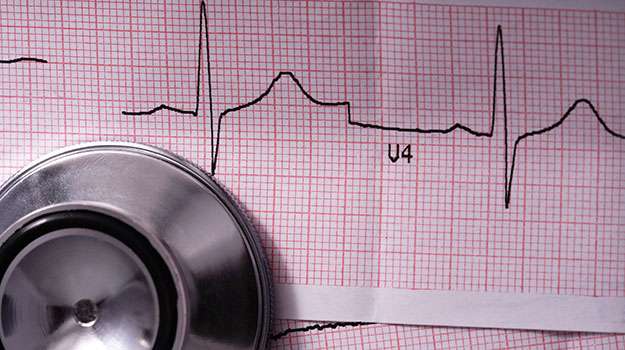
This complex syndrome arises when the heart cannot pump adequately to meet the body’s demands. Recognizing early signs allows timely intervention improving survival rates and daily functioning.
- Main Indicators & Causes:Persistent breathlessness, swelling in legs; caused by coronary artery disease, high blood pressure or myocardial damage after infarction among others.
- Mainstays of Diagnosis:Echocardiography assesses ejection fraction; labs check kidney function and natriuretic peptides aiding diagnosis/severity evaluation
- Therapeutic Options:Diuretics relieve fluid overload; ACE inhibitors/ARNIs improve cardiac remodeling; device therapies considered based on criteria.
- Expected Course :Chronic condition necessitating lifestyle modification alongside medical monitoring reduces hospitalizations and improves longevity.
Holistic management involving medication compliance plus symptom tracking forms cornerstone of effective heart failure care.
ARRHYTHMIA DIAGNOSIS AND MANAGEMENT
An arrhythmia denotes any irregularity in the heart's rhythm that may affect its ability to pump efficiently. Detecting and managing arrhythmias is crucial for maintaining normal cardiac function.
- Causative Factors & Presentation: Palpitations, dizziness, fainting episodes can accompany arrhythmias triggered by electrolyte imbalance, heart disease, or stress.
- Evaluation Methods: ECG monitoring including Holter devices identifies abnormal rhythms accurately over time.
- Treatment Modalities: Medications such as beta-blockers or antiarrhythmic agents; catheter ablation procedures in select cases restore normal rhythm effectively.
- Your Role in Care: Awareness of symptoms and adherence to prescribed therapy improve outcomes significantly while reducing risks of stroke associated with some arrhythmias like atrial fibrillation.
A tailored treatment plan enhances quality of life by controlling arrhythmias safely under medical supervision.
CORONARY ARTERY DISEASE (CAD) TREATMENT
This condition involves narrowing of the coronary arteries which supply blood to the heart muscle. It is a leading cause of chest pain and cardiac events worldwide.
- Symptoms & Causes: Chest discomfort (angina), shortness of breath due to atherosclerosis influenced by high cholesterol, smoking, diabetes, and sedentary lifestyle.
- Diagnostic Approaches: Stress tests, ECGs, coronary angiography are commonly used for evaluation.
- Treatment Strategies: Lifestyle changes, medications such as antiplatelets and statins; revascularization via angioplasty or bypass surgery if necessary.
- Lifestyle Impact: Quitting smoking and adopting heart-healthy habits substantially improve prognosis alongside medical therapy.
The goal is to relieve symptoms, prevent progression, and avoid potentially life-threatening complications through comprehensive care plans.
CONGENITAL HEART DEFECT CARE
Congenital heart defects occur when the heart's structure develops abnormally before birth. These defects range from mild to complex problems requiring careful evaluation and management.
- Symptoms & Causes: Symptoms may include rapid breathing, fatigue, or cyanosis in infants; caused by genetic factors or maternal health during pregnancy.
- Diagnosis: Echocardiography is the primary tool; sometimes cardiac MRI or catheterization is used for detailed assessment.
- Treatment/Management: Depending on severity, treatments vary from medication to interventional catheter procedures or corrective surgery.
- Prognosis & Follow-Up: Many children lead active lives with appropriate care; lifelong cardiac monitoring might be necessary in some cases.
An individualized approach ensures optimal outcomes for patients living with congenital heart conditions from infancy through adulthood.
HYPERTENSION MANAGEMENT
High blood pressure, or hypertension, is a common cardiovascular condition that can silently damage your heart and blood vessels over time. Managing it effectively is essential to prevent serious complications such as stroke or heart attack.
- Symptoms & Causes: Often asymptomatic but may include headaches or dizziness; causes range from genetics, lifestyle habits like diet and exercise, to underlying medical conditions.
- Diagnosis: Multiple blood pressure readings over time are needed; additional tests like blood tests or ECG may be recommended.
- Treatment Options: Lifestyle modifications including reduced salt intake and physical activity; medications like ACE inhibitors or beta-blockers.
- What to Expect: Regular monitoring and adherence to treatment can control hypertension and reduce risks significantly.
Early detection and consistent management help maintain heart health and quality of life for those affected by elevated blood pressure.