
Dr Ruchika Kedia
About Me
Dr Ruchika Kedia
MBBS
Ophthalmologist
12 Years Experience
Biography
My Clinic
OPD Hours
| Monday | Morning | 09:00 AM | ||
| Evening | 09:00 PM | |||
| Tuesday | Morning | 09:00 AM | ||
| Evening | 09:00 PM | |||
| Wednesday | Morning | 09:00 AM | ||
| Evening | 09:00 PM | |||
| Thursday | Morning | 09:00 AM | ||
| Evening | 09:00 PM |
Treatments
Specialised care and treatments offered
RETINAL DETACHMENT REPAIR
A retinal detachment occurs when the retina separates from its underlying tissue—a serious condition requiring prompt medical attention. Signs should never be ignored as they signify an ocular emergency!
- Symptoms: Sudden flashes of light, floaters in your field of view, or shadow-like curtains across your sight are possible indications requiring immediate evaluation.
- Diagnosis: Diagnosis involves dilated fundus examination alongside imaging studies like ultrasound if indicated.
- Treatment: Surgical interventions like pneumatic retinopexy (injecting gas), scleral buckle placement or vitrectomy could be utilized depending upon severity.
The sooner surgery is performed following diagnosis results in better chances for preserving vision—a reminder not ignore warning signs!
PTERYGIUM TREATMENT

Pterygium is a benign growth on the conjunctiva that can extend over the cornea causing discomfort or visual disturbances. It’s often associated with prolonged sun exposure and dust irritation.
- Symptoms: May include redness, irritation, a visible lump on the eyeball, or changes in vision if it grows large enough.
- Diagnosis: An ophthalmologist conducts an examination; visual acuity tests may be used if necessary.
- Treatment: Initial management includes lubricating eye drops for dryness; surgically removing larger pterygiums may be required.
- What to Expect: Recovery from surgery involves managing discomfort but generally leads to positive outcomes regarding aesthetics and comfort after healing.
Pterygia can recur post-removal; thus protective measures against UV light exposure are advised moving forward.
AGE-RELATED MACULAR DEGENERATION (AMD)

This condition affects the macula—the part of the retina responsible for clear central vision. AMD primarily impacts older adults and can lead to significant sight impairment over time.
- Symptoms: Patients might notice blurred or distorted central vision; some may also struggle with tasks like reading or recognizing faces.
- Diagnosis: Comprehensive eye exams including Amsler grid testing help doctors assess changes in visual performance related to AMD.
- Treatment: Depending on whether it’s dry or wet AMD, treatments might range from lifestyle modifications and nutritional support to laser therapy or injections that inhibit growth of abnormal blood vessels in wet AMD cases.
The key to managing AMD lies in early detection—regular check-ups can help identify changes sooner rather than later.
GLAUCOMA SCREENING

This condition refers to a group of eye diseases that damage the optic nerve. Glaucoma often develops slowly without noticeable symptoms until significant damage has occurred.
- Symptoms: Many patients do not experience symptoms until late stages. Some may see rainbow-colored rings around lights or experience peripheral vision loss first.
- Diagnosis: Regular screenings through tonometry to measure intraocular pressure and visual field tests help detect early onset of glaucoma.
- Treatment: Options include medicated eye drops to lower pressure, oral medications, laser treatments, and surgery for advanced cases.
- What to Expect: Early detection allows for effective management; consistent follow-up visits ensure ongoing monitoring of eye health.
A proactive approach via screening can significantly reduce risks associated with this silent disease.
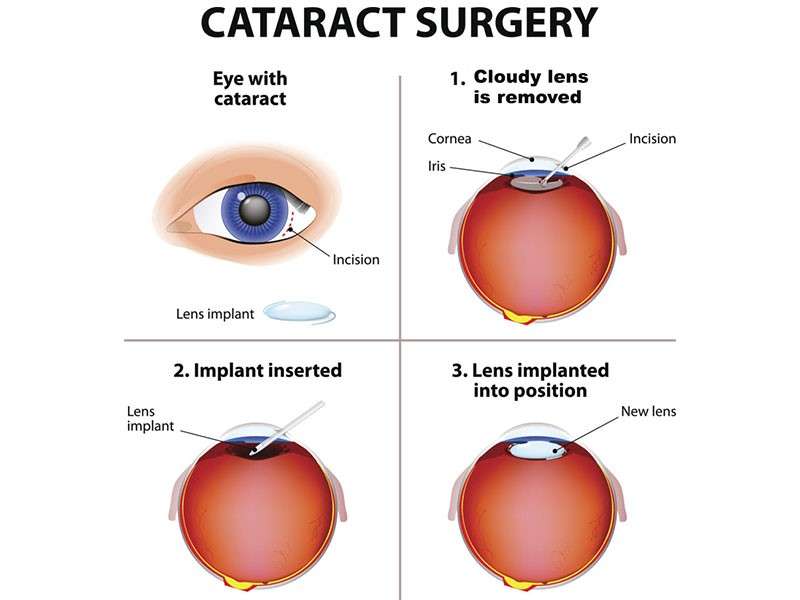
CATARACT SURGERY
Cataracts are a clouding of the lens in the eye that can lead to diminished vision. This condition is prevalent among older adults and requires surgical intervention when vision impairment affects daily activities.
- Symptoms: Common signs include cloudy or blurry vision, difficulty with bright lights, and fading colors.
- Diagnosis: Eye care professionals diagnose cataracts during routine eye examinations using visual acuity tests and slit-lamp microscopy.
- Treatment: Surgical removal of the cloudy lens is the primary treatment, often followed by placement of an artificial intraocular lens.
- What to Expect: The surgery is typically performed as an outpatient procedure with a quick recovery time; many patients notice immediate improvement in their vision afterward.
Cataract surgery is one of the most common procedures and has a high success rate in restoring sight.
DIABETIC RETINOPATHY
Diabetic retinopathy is a common eye condition that affects individuals with diabetes. It occurs when high blood sugar levels damage the blood vessels in the retina, leading to vision problems.
- Symptoms: Early stages often have no symptoms, but as it progresses, patients may experience blurred vision, dark spots, or difficulty seeing at night.
- Diagnosis: Typically diagnosed through a comprehensive eye exam, including dilated fundus examination and optical coherence tomography (OCT).
- Treatment: Management options include controlling blood sugar levels, laser therapy to seal leaking blood vessels, and injections of medications to reduce swelling.
- What to Expect: Regular monitoring is crucial; treatment can slow progression but may not restore lost vision.
If you are diabetic, regular eye exams are essential for early detection and prevention of serious complications.