
Dr Rubina Dental Clinic
About Me
Dr Rubina Dental Clinic
MBBS
General Physician
10 Years Experience
Biography
My Clinic
OPD Hours
| Monday | Morning | 10:00 AM | - | 02:00 PM |
| Evening | 06:00 PM | - | 09:00 PM | |
| Tuesday | Morning | 10:00 AM | - | 02:00 PM |
| Evening | 06:00 PM | - | 09:00 PM | |
| Wednesday | Morning | 10:00 AM | - | 02:00 PM |
| Evening | 06:00 PM | - | 09:00 PM | |
| Thursday | Morning | 10:00 AM | - | 02:00 PM |
| Evening | 06:00 PM | - | 09:00 PM | |
| Friday | Morning | 10:00 AM | - | 02:00 PM |
| Evening | 06:00 PM | - | 09:00 PM | |
| Saturday | Morning | 10:00 AM | - | 02:00 PM |
| Evening | 06:00 PM | - | 09:00 PM | |
| Sunday | Morning | 10:00 AM | - | 02:00 PM |
| Evening | 06:00 PM | - | 09:00 PM |
Treatments
Specialised care and treatments offered
THYROID FUNCTION TESTS
The thyroid gland plays an integral role in regulating metabolism. Thyroid function tests help assess how well this gland operates; identifying dysfunction at early stages aids treatment efficiency greatly meeting patient needs properly interacting bodies systems smoothly without undue stressfulness arises upon physiological processes misaligned adequately .
CHOLESTEROL TESTING

Monitoring cholesterol levels is vital because high cholesterol can increase your risk for heart disease. Regular testing helps ensure that levels remain within healthy ranges through timely intervention when required.
A comprehensive assessment empowers patients affected with respiratory diseases towards better quality living while managing their conditions effectively through informed choices protocols guided by specialists.During a cholesterol test before assessing overall heart health risks typically requires patients fast overnight prior giving samples
RESPIRATORY DISEASE EVALUATION
Your lungs play a vital role in overall health; therefore, proper evaluation is critical if you experience respiratory issues. Conditions like asthma or COPD require thorough investigation for optimal management strategies forward.
- Coughing, wheezing, shortness of breath, or chest tightness are common indicators prompting further evaluation of respiratory function.
- Pulmonary function tests (PFTs) can diagnose various breathing problems by measuring airflow into the lungs and checking how well oxygen moves into the bloodstream.
- Treatment may involve inhalers for asthma control or medications designed for chronic obstructive pulmonary disease (COPD) alongside lifestyle adjustments such as quitting smoking or changing your home environment for better air quality.
- Your healthcare provider will work closely with you to develop a personalized action plan tailored specifically to your breathing challenges.
A comprehensive assessment empowers patients affected with respiratory diseases towards better quality living while managing their conditions effectively through informed choices protocols guided by specialists.
ROUTINE CHECK-UPS
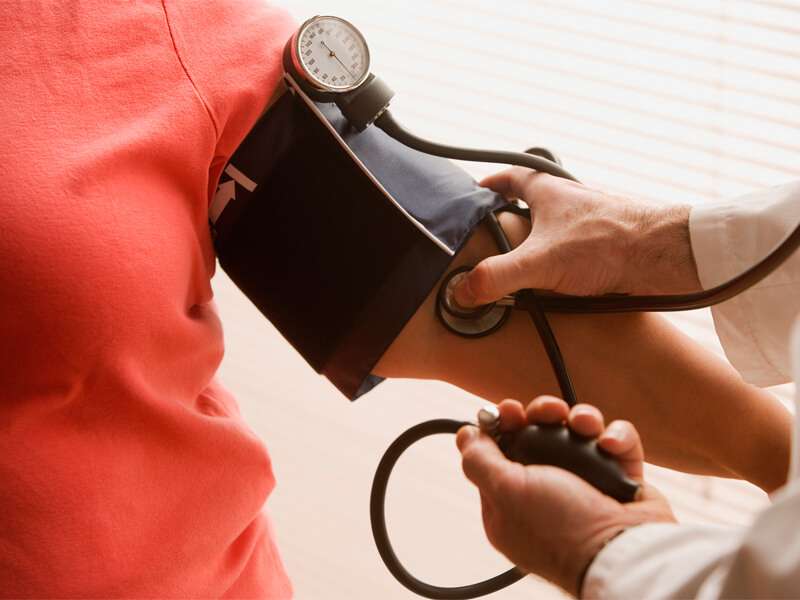
A routine check-up is an essential part of maintaining good health. These visits allow for preventive measures and early detection of possible health issues before they develop into more serious conditions.
- An initial assessment includes reviewing medical history and discussing any current health concerns or symptoms you may have experienced.
- During the examination, vital signs such as weight, blood pressure, pulse rate, and temperature are checked to identify any abnormalities.
- The physician may recommend lab tests based on age, history, or symptoms including cholesterol checks or blood glucose levels for early sign detection of diseases like diabetes or heart disease.
- Lifestyle advice will often be provided regarding nutrition, physical activity levels, and stress management techniques tailored to individual situations.
- Follow-up appointments may be suggested based on findings to ensure that identified issues are managed effectively over time.
Regular check-ups foster a proactive approach towards personal health management through guidance and monitoring by medical professionals.
DIABETES SCREENING

Diabetes is a chronic condition that affects how your body processes blood sugar (glucose). Early detection through screening is crucial for effective management and prevention of complications.
- Symptoms can vary widely from frequent urination and excessive thirst to fatigue and blurred vision.
- A diabetes screening typically involves a fasting blood sugar test or an A1C test to measure average blood glucose levels over time.
- If diagnosed with diabetes, management may include dietary modifications, regular exercise, and insulin or oral medication when necessary.
- Ongoing education about the condition helps patients understand how to monitor their glucose levels effectively.
- Regular doctor visits help in adjusting treatment plans based on individual needs and lifestyle changes.
Screening and early management play pivotal roles in leading a healthy life with diabetes.
HYPERTENSION MANAGEMENT

Hypertension, often known as high blood pressure, is a common condition that can lead to serious health complications if left untreated. It typically develops over many years and can affect anyone, though it is more prevalent among adults.
- Common symptoms may include headaches, shortness of breath, or nosebleeds, but often there are no noticeable symptoms.
- Diagnosis usually involves measuring blood pressure during a routine check-up; several readings may be required for accuracy.
- Treatment options consist of lifestyle changes such as improved diet and exercise, alongside medications like diuretics or ACE inhibitors.
- Regular monitoring is essential to manage the condition effectively and prevent complications such as heart disease or stroke.
- Patients are encouraged to maintain follow-up appointments to track their progress and adjust treatment as needed.
Effective management of hypertension can enhance quality of life and significantly reduce the risk of associated health issues.