Dr RS Pandey
About Me
Dr RS Pandey
MBBS
General Physician
10 Years Experience
Biography
My Clinic
OPD Hours
| Monday | Morning | 10:00 AM | - | 02:00 PM |
| Evening | 06:00 PM | - | 09:00 PM | |
| Tuesday | Morning | 10:00 AM | - | 02:00 PM |
| Evening | 06:00 PM | - | 09:00 PM | |
| Wednesday | Morning | 10:00 AM | - | 02:00 PM |
| Evening | 06:00 PM | - | 09:00 PM | |
| Thursday | Morning | 10:00 AM | - | 02:00 PM |
| Evening | 06:00 PM | - | 09:00 PM | |
| Friday | Morning | 10:00 AM | - | 02:00 PM |
| Evening | 06:00 PM | - | 09:00 PM | |
| Saturday | Morning | 10:00 AM | - | 02:00 PM |
| Evening | 06:00 PM | - | 09:00 PM | |
| Sunday | Morning | 10:00 AM | - | 02:00 PM |
| Evening | 06:00 PM | - | 09:00 PM |
Treatments
Specialised care and treatments offered
OBESITY MANAGEMENT
Excess body weight poses numerous risks including diabetes cardiovascular problems joint strain . Understanding obesity's impact facilitates effective control strategies .
- Symptoms And Causes : Persistent weight gain influenced by poor diet sedentary lifestyle genetics hormonal imbalances .
- Diagnosis : Body mass index (BMI) calculations waist circumference measurements identify obesity severity .
- Treatment / Management : Nutritional guidance increased physical activity behavioral changes medication options considered case by case .
- What To Expect : Sustainable weight loss improves overall health reduces risk factors related metabolic syndrome , hypertension , heart disease .
Long term commitment coupled with professional support encourages maintenance of healthier body composition enhancing wellbeing throughout life .
OSTEOARTHRITIS SYMPTOM CONTROL

This degenerative joint disease commonly affects older adults but can also impact younger individuals following injury. Managing symptoms can reduce pain and improve mobility significantly.
ANEMIA EVALUATION AND CARE
Anemia arises when the body lacks enough healthy red blood cells to carry oxygen efficiently. Recognizing this condition early through proper evaluation is vital for restoring energy levels.
- Symptoms and Causes: Fatigue, pallor, dizziness are usual complaints; causes include nutritional deficiencies (iron, vitamin B12), chronic diseases or blood loss.
- Diagnosis: Blood tests such as complete blood count (CBC) reveal decreased hemoglobin concentration confirming anemia diagnosis.
- Treatment/Management: Treatment depends on cause: iron supplements for deficiency anemia; dietary improvements; addressing underlying illnesses accordingly.
- What to Expect: With targeted therapy support and follow-up testing ensure hemoglobin levels normalize gradually improving overall wellbeing over time.
Tackling anemia effectively restores vitality allowing daily activities without undue tiredness or weakness interfering with life quality.
RESPIRATORY INFECTION TREATMENT
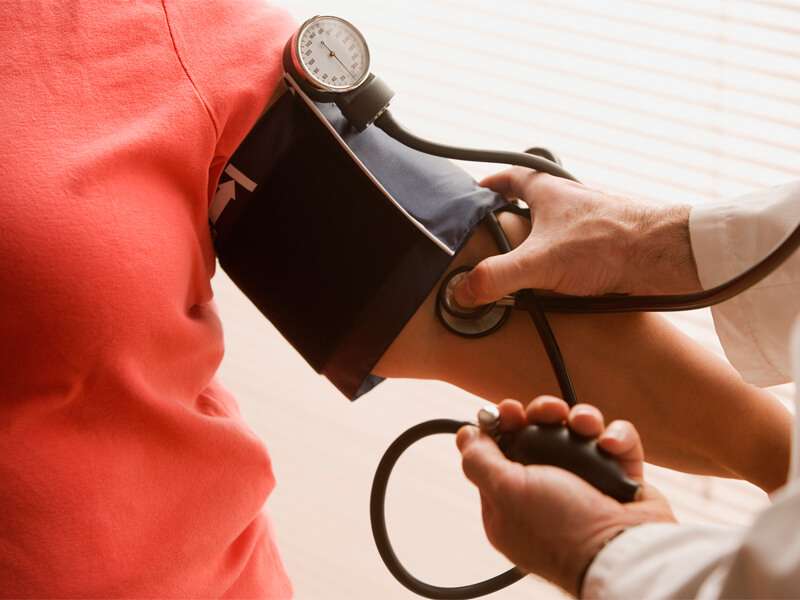
Respiratory infections range from mild colds to more severe illnesses affecting breathing. Proper care ensures quick recovery and avoidance of complications.
- Symptoms and Causes: Common symptoms include cough, sore throat, congestion, fever; viruses or bacteria often trigger these infections.
- Diagnosis: Medical history review alongside physical examination; sometimes chest X-rays or sputum tests are required for accurate identification.
- Treatment/Management: Most cases respond well to rest, hydration, symptomatic medicines like analgesics or antitussives; antibiotics may be needed if bacterial infection is confirmed.
- What to Expect: Symptoms typically improve within a week with proper treatment; persistent or worsening signs warrant further evaluation for complications like bronchitis or pneumonia.
Caring promptly for respiratory infections prevents progression into more serious lung conditions while easing discomfort during illness.
TYPE 2 DIABETES CARE
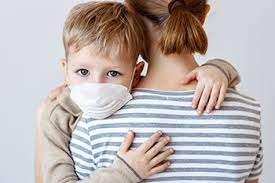
The management of type 2 diabetes involves controlling blood sugar to avoid long-term complications. Understanding this chronic condition helps you take active steps toward better health.
- Symptoms and Causes: Increased thirst, frequent urination, fatigue, and slow healing wounds are typical signs; genetics and lifestyle factors contribute strongly to its development.
- Diagnosis: Blood tests including fasting glucose levels and HbA1c percentages confirm elevated blood sugar indicative of diabetes.
- Treatment/Management: A combination of dietary modifications, regular physical activity, oral medications or insulin therapy is commonly recommended for effective control.
- What to Expect: Close medical supervision and adherence to prescribed regimens can reduce risks of nerve damage, vision loss, and other diabetes-related complications significantly.
A proactive approach in managing diabetes enhances quality of life through stable glucose levels and minimized health risks.
HYPERTENSION MANAGEMENT
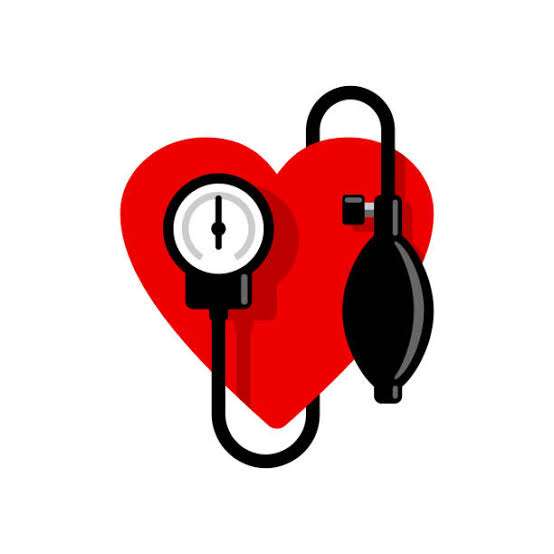
High blood pressure is a common health issue that can silently affect your heart and arteries. Managing this condition early is crucial to prevent serious complications.
- Symptoms and Causes: Often called the 'silent killer,' hypertension may not show obvious symptoms but can be caused by genetics, diet, stress, or obesity.
- Diagnosis: Regular blood pressure monitoring using standard sphygmomanometers or ambulatory devices helps confirm persistent high readings above 140/90 mmHg.
- Treatment/Management: Lifestyle changes such as a low-sodium diet, regular exercise, limiting alcohol intake, and medication prescribed by physicians help control blood pressure effectively.
- What to Expect: With consistent treatment and lifestyle adjustments, many experience improved cardiovascular health and reduced risk of stroke or heart attack.
Maintaining routine check-ups ensures your blood pressure stays within safe limits, supporting long-term wellness.
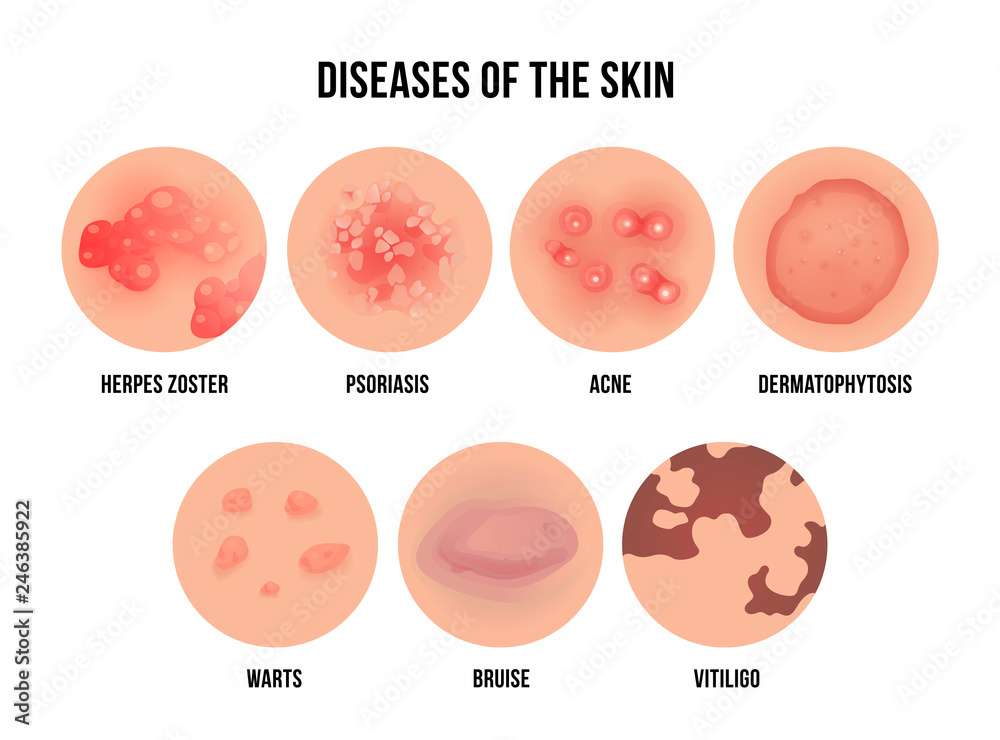
SKIN DISEASES
Skin diseases encompass a wide range of conditions that affect the skin, resulting in various symptoms and appearances. Some common skin diseases include:
- Acne: A common skin condition characterized by the formation of pimples, blackheads, and whiteheads on the face, chest, and back.
- Eczema: A chronic inflammatory condition that causes dry, itchy, and red patches on the skin.
- Psoriasis: A chronic autoimmune disease that causes red, scaly patches on the skin, often accompanied by itching or pain.
- Dermatitis: Inflammation of the skin that can be caused by various factors such as irritants, allergens, or genetic predisposition.
- Rosacea: A chronic skin condition characterized by facial redness, flushing, and sometimes pimples or visible blood vessels.
- Hives (Urticaria): Raised, itchy bumps on the skin that are often caused by an allergic reaction or exposure to certain triggers.
- Athlete's Foot: A fungal infection that affects the feet, causing itching, redness, and peeling of the skin.
- Ringworm: A fungal infection that forms a ring-shaped rash on the skin, often itchy and scaly.
- Impetigo: A highly contagious bacterial infection characterized by red sores that break open, ooze, and form a yellowish crust.
- Shingles: A viral infection caused by the reactivation of the varicella-zoster virus, resulting in a painful rash with fluid-filled blisters.
It's important to consult a dermatologist or healthcare professional for an accurate diagnosis and appropriate treatment for any skin condition.
CHILDHOOD DISEASES
Childhood diseases refer to a wide range of illnesses that primarily affect children. Some common childhood diseases include:
- Chickenpox (Varicella): A highly contagious viral infection causing an itchy rash and fever.
- Measles: A viral infection characterized by fever, cough, runny nose, and a rash.
- Mumps: A viral infection causing swelling and pain in the salivary glands, leading to swollen cheeks and jaw.
- Rubella (German Measles): A viral infection causing a rash and fever, particularly dangerous for pregnant women.
- Whooping cough (Pertussis): A bacterial infection causing severe coughing spells, especially dangerous for infants.
- Hand, Foot, and Mouth Disease: A viral infection characterized by sores in the mouth, on the hands, and on the feet.
- Rotavirus: A highly contagious virus causing severe diarrhea, vomiting, and dehydration in infants and young children.
- Fifth Disease (Erythema infectiosum): A viral infection causing a distinctive rash on the face, cheeks, and body.
- Croup: A viral infection causing a barking cough and difficulty breathing.
- Roseola: A viral infection characterized by high fever followed by a rash.
It's important to note that diagnosing and treating specific diseases should be done by medical professionals. If you have concerns about a child's health, it's best to consult a healthcare provider.
WOMAN DISEASES
"Woman Disease" is a broad term that does not refer to a specific medical condition. Women can be affected by a variety of diseases and health conditions, some of which are unique to or more common in females. It's essential to address specific diseases or conditions to provide accurate information.
Here are some common health conditions that can affect women:
- Breast Cancer: A malignant tumor that develops in breast tissue, predominantly affecting women.
- Ovarian Cancer: Cancer that begins in the ovaries, the female reproductive organs responsible for producing eggs.
- Endometriosis: A condition where tissue similar to the lining of the uterus grows outside the uterus, causing pain and fertility problems.
- Polycystic Ovary Syndrome (PCOS): A hormonal disorder characterized by enlarged ovaries with cysts and hormonal imbalances, leading to irregular periods and other symptoms.
- Cervical Cancer: Cancer that develops in the cervix, the lower part of the uterus.
- Premenstrual Syndrome (PMS): A combination of physical and emotional symptoms that occur in the days leading up to menstruation.
- Urinary Tract Infections (UTIs): Infections in the urinary system, including the bladder and urethra, which can be more common in women.
- Osteoporosis: A condition characterized by a decrease in bone density, making bones more fragile and prone to fractures, which is more common in women, especially after menopause.
- Menopause: The natural process that occurs in women's lives, typically in their 40s or 50s when menstrual periods cease and hormone levels change.
- Pelvic Inflammatory Disease (PID): An infection of the female reproductive organs, usually caused by sexually transmitted bacteria.
It's important to note that these are just a few examples, and there are many more health conditions that can affect women. If you have concerns about your health, it's recommended to consult a healthcare professional for a proper diagnosis and treatment.
VACCINATION AND CHECK-UP
INFECTIOUS DISEASES
GASTRIC DISORDERS
PAIN MANAGEMENT
MIGRAINE

RESPIRATORY PROBLEMS
HEART PROBLEMS
HEART PROBLEMS

THYROID DISEASE
DIABETES MANAGEMENT

SORE THROAT