
Dr RS Gill Agra
About Me
Dr RS Gill Agra
MBBS
Internal Medicine
10 Years Experience
Biography
My Clinic
OPD Hours
| Monday | Morning | 10:00 AM | - | 02:00 PM |
| Evening | 06:00 PM | - | 09:00 PM | |
| Tuesday | Morning | 10:00 AM | - | 02:00 PM |
| Evening | 06:00 PM | - | 09:00 PM | |
| Wednesday | Morning | 10:00 AM | - | 02:00 PM |
| Evening | 06:00 PM | - | 09:00 PM | |
| Thursday | Morning | 10:00 AM | - | 02:00 PM |
| Evening | 06:00 PM | - | 09:00 PM | |
| Friday | Morning | 10:00 AM | - | 02:00 PM |
| Evening | 06:00 PM | - | 09:00 PM | |
| Saturday | Morning | 10:00 AM | - | 02:00 PM |
| Evening | 06:00 PM | - | 09:00 PM | |
| Sunday | Morning | 10:00 AM | - | 02:00 PM |
| Evening | 06:00 PM | - | 09:00 PM |
Treatments
Specialised care and treatments offered
GASTROESOPHAGEAL REFLUX DISEASE (GERD) MANAGEMENT
The backward flow of stomach acid into the esophagus causes discomfort known as GERD. Proper understanding helps alleviate symptoms effectively at home or with medication support.
- Symptoms identification: Heartburn after meals or lying down is a frequent complaint.
- Diagnosis confirmation: Clinical evaluation supported by endoscopy in persistent cases assists confirmation.
- Management options: Lifestyle adjustment including weight loss plus proton pump inhibitors decrease acid production.
- Expected progression: Most respond well within weeks; persistent GERD may require further specialist assessment.
Early recognition combined with adherence to recommended therapies greatly reduces symptom burden from GERD on daily living.
LIPID DISORDER THERAPY
Lipid disorders involve abnormal cholesterol or triglyceride levels increasing cardiovascular risk. Managing these abnormalities safeguards heart health efficiently.
- Etiology: Genetics combined with lifestyle factors such as poor diet contribute largely to dyslipidemia development.
- Diagnostic steps: Blood lipid panels evaluate LDL, HDL cholesterol fractions plus triglycerides.
- Therapeutic measures: Statins remain primary drugs; dietary fat reduction alongside physical activity complements pharmacologic treatments.
- Long-term outlook: Regular monitoring prevents complications by maintaining optimal lipid profiles.
Addressing lipid imbalances through multifaceted approaches minimizes future cardiac event risks significantly.
ANEMIA EVALUATION AND TREATMENT
Anemia occurs when there is a deficiency of red blood cells or hemoglobin affecting oxygen transport. Early detection improves energy levels and overall well-being.
- Common signs: Fatigue, pale skin, shortness of breath, and dizziness may indicate anemia presence.
- Tests used:A complete blood count (CBC) along with iron studies help identify the type of anemia involved.
- Treatment modalities:Iron supplementation, dietary adjustments or addressing underlying causes like chronic disease are typical approaches.
- Prognosis:Anemia often responds well to treatment when diagnosed promptly, restoring normal function effectively.
This condition requires awareness but generally leads to positive results with proper care strategies addressing root causes directly.
CHRONIC OBSTRUCTIVE PULMONARY DISEASE (COPD) MANAGEMENT
COPD is a progressive lung disease that makes breathing difficult and limits airflow. Timely recognition can slow progression and improve daily function.
- Causative factors: Long-term exposure to smoking or pollutants is the leading cause of COPD symptoms like chronic cough and breathlessness.
- Diagnostic tools: Lung function tests such as spirometry assess airflow limitation severity.
- Treatment focus: Inhalers (bronchodilators), pulmonary rehabilitation, smoking cessation programs are cornerstone therapies.
- Expectations: While COPD cannot be cured, proper management reduces flare-ups and enhances quality of life.
A structured plan tailored to individual needs helps patients maintain independence despite chronic respiratory issues.
TYPE 2 DIABETES MELLITUS CARE
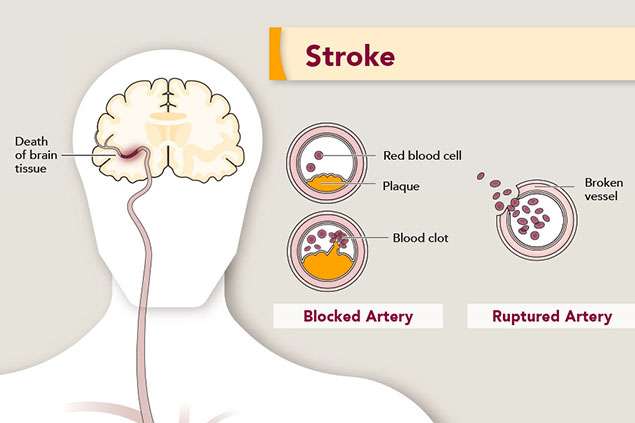
Type 2 diabetes involves elevated blood sugar levels due to insulin resistance, affecting multiple organs over time. Early intervention can prevent serious complications.
- Key indicators: Increased thirst, frequent urination, fatigue, and blurred vision are common signs.
- Diagnosis methods: Blood glucose tests including fasting plasma glucose and HbA1c confirm the condition.
- Treatment strategies: Diet control, physical activity, oral hypoglycemics, and sometimes insulin therapy help regulate blood sugar.
- Lifestyle impact: Weight management and avoiding tobacco play a significant role in improving outcomes.
A comprehensive approach involving monitoring and education ensures better quality of life for those affected by type 2 diabetes.
HYPERTENSION MANAGEMENT
High blood pressure is a common yet serious condition that can lead to heart disease and stroke if left untreated. Understanding how to manage hypertension effectively is crucial for long-term health.
- Symptoms and causes: Often called the "silent killer," it usually has no symptoms but can be triggered by genetics, diet, or obesity.
- Diagnosis: Blood pressure readings taken during multiple visits provide accurate diagnosis.
- Treatment options: Lifestyle changes like diet modification, regular exercise, and medications such as ACE inhibitors or beta-blockers are standard approaches.
- Monitoring: Regular check-ups help track blood pressure control and adjust treatments as needed.
With consistent care and adherence to treatment plans, individuals with hypertension can maintain a healthy lifestyle and reduce risks of complications significantly.