
Dr RP Srivastava
About Me
Dr RP Srivastava
MBBS
General Physician
10 Years Experience
Biography
My Clinic
OPD Hours
| Monday | Morning | 10:00 AM | - | 02:00 PM |
| Evening | 06:00 PM | - | 09:00 PM | |
| Tuesday | Morning | 10:00 AM | - | 02:00 PM |
| Evening | 06:00 PM | - | 09:00 PM | |
| Wednesday | Morning | 10:00 AM | - | 02:00 PM |
| Evening | 06:00 PM | - | 09:00 PM | |
| Thursday | Morning | 10:00 AM | - | 02:00 PM |
| Evening | 06:00 PM | - | 09:00 PM | |
| Friday | Morning | 10:00 AM | - | 02:00 PM |
| Evening | 06:00 PM | - | 09:00 PM | |
| Saturday | Morning | 10:00 AM | - | 02:00 PM |
| Evening | 06:00 PM | - | 09:00 PM | |
| Sunday | Morning | 10:00 AM | - | 02:00 PM |
| Evening | 06:00 PM | - | 09:00 PM |
Treatments
Specialised care and treatments offered
SEASONAL ALLERGIC RHINITIS CARE
This condition involves an allergic reaction triggered by environmental allergens such as pollen. It can impact quality of life but is manageable with appropriate interventions to relieve symptoms during high-exposure periods.
GASTROENTERITIS MANAGEMENT

An inflammation of the stomach and intestines commonly caused by infections leads to unpleasant digestive symptoms. Prompt care minimizes discomfort and prevents dehydration complications especially in vulnerable groups.
THYROID FUNCTION DISORDERS EVALUATION
The thyroid gland plays an important role in metabolism regulation. Disorders can lead to various systemic symptoms requiring thorough evaluation for targeted treatment.
- Causative factors & symptoms: Can be due to autoimmune processes or nutrient deficiencies; signs range from fatigue and weight changes to temperature sensitivity changes.
- Labs used for diagnosis: Blood tests measuring TSH, T3, T4 levels indicate hyperthyroidism or hypothyroidism presence.
- Treatment modalities: Hormone replacement therapies or medications that inhibit hormone production depending on disorder type.
- Lifestyle considerations: Regular monitoring ensures dose adjustments; some dietary factors may influence thyroid health positively or negatively.
ACUTE RESPIRATORY INFECTION TREATMENT
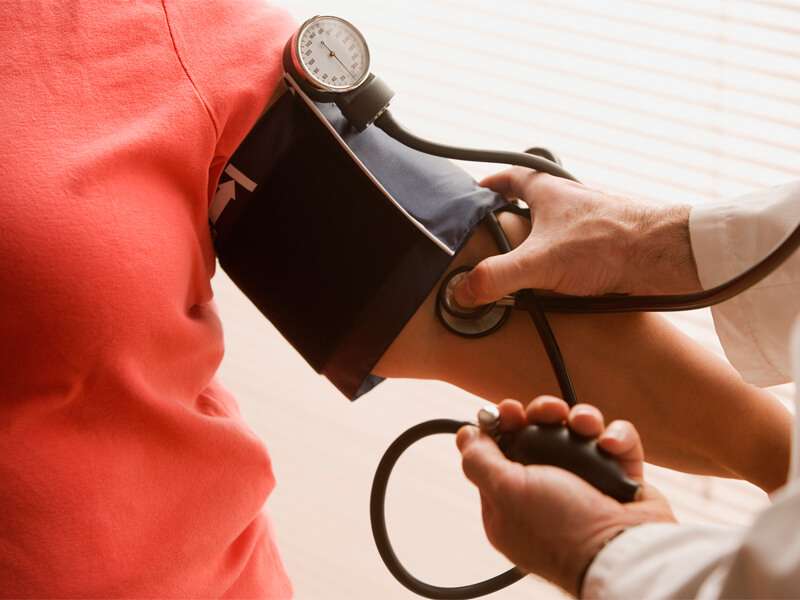
Infections of the respiratory tract are common reasons for visiting a doctor. Understanding their nature aids in effective symptom relief and prevention of complications.
- Main causes: Usually viral infections affecting the nose, throat, or lungs; bacterial infections less common but possible.
- Signs to notice: Coughing, sore throat, nasal congestion, fever, and difficulty breathing in severe cases.
- Diagnosis method: Clinical evaluation complemented by patient history; sometimes lab tests if bacterial infection suspected.
- Treatment strategy: Mostly symptomatic relief with hydration, rest; antibiotics only if bacterial cause confirmed or strongly suspected.
- Disease course expectations: Most recover within one to two weeks without lasting effects when managed properly.
If symptoms worsen or persist beyond typical duration, medical reassessment is advised to rule out other conditions.
TYPE 2 DIABETES MELLITUS CARE
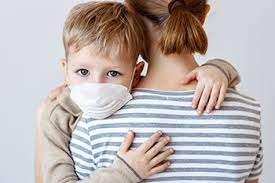
The chronic condition of type 2 diabetes affects how your body processes blood sugar (glucose). Early detection and management can help maintain health and prevent long-term issues.
- Causes and symptoms: Linked to insulin resistance; symptoms include increased thirst, frequent urination, fatigue, and blurred vision.
- Diagnosis: Blood tests like fasting glucose levels or HbA1c measurements confirm the condition.
- Treatment approach: Focuses on dietary changes, physical activity, oral medications, or insulin when needed.
- Lifestyle advice: Weight control and regular monitoring of blood sugar are essential components.
- Prognosis: With proper management, many individuals lead active lives free from severe diabetic complications.
A comprehensive plan combining medical treatment and lifestyle adjustments helps maintain optimal glucose control.
HYPERTENSION MANAGEMENT
High blood pressure, or hypertension, is a common condition that requires ongoing care to prevent serious complications. Managing it effectively can reduce risks of heart disease and stroke.
- Symptoms and causes: Often termed the 'silent killer' as symptoms may be absent; caused by factors like genetics, lifestyle, diet, and stress.
- Diagnosis: Confirmed through multiple blood pressure readings over time using calibrated devices.
- Treatment options: Lifestyle modifications such as diet and exercise, along with prescribed antihypertensive medications tailored for individual needs.
- Monitoring: Regular check-ups help assess treatment effectiveness and adjust therapy.
- What to expect: Blood pressure stabilization with adherence to treatment reduces risk of complications significantly.
Consistent management and awareness are key to living well with hypertension.