
Dr Ronauk Singh Prosthodontist & Cosmetic S
About Me
Dr Ronauk Singh Prosthodontist & Cosmetic S
MBBS
General Physician
10 Years Experience
Biography
My Clinic
OPD Hours
| Monday | Morning | 10:00 AM | - | 02:00 PM |
| Evening | 06:00 PM | - | 09:00 PM | |
| Tuesday | Morning | 10:00 AM | - | 02:00 PM |
| Evening | 06:00 PM | - | 09:00 PM | |
| Wednesday | Morning | 10:00 AM | - | 02:00 PM |
| Evening | 06:00 PM | - | 09:00 PM | |
| Thursday | Morning | 10:00 AM | - | 02:00 PM |
| Evening | 06:00 PM | - | 09:00 PM | |
| Friday | Morning | 10:00 AM | - | 02:00 PM |
| Evening | 06:00 PM | - | 09:00 PM | |
| Saturday | Morning | 10:00 AM | - | 02:00 PM |
| Evening | 06:00 PM | - | 09:00 PM | |
| Sunday | Morning | 10:00 AM | - | 02:00 PM |
| Evening | 06:00 PM | - | 09:00 PM |
Treatments
Specialised care and treatments offered
CHRONIC FATIGUE SYNDROME (CFS) MANAGEMENT
This complex disorder characterized by profound fatigue cannot be explained by any underlying medical condition often interferes severely with daily activities. Recognizing symptoms early enables timely therapeutic interventions aimed at restoring energy levels significantly improving quality of life over time .
- Symptoms: CFS manifests through unrelenting exhaustion alongside sleep disturbances cognitive impairments joint muscle pain headaches among other debilitating signs
- < span style = ' font - weight : bold ; ' > Treatment Approaches: Self-care strategies introducing structured rest incorporating physical therapy counseling cognitive behavioral therapy reflected considerable strides suspending ongoing efforts exertion bringing improvements long-standing vitality . < # iqt > >Empowering oneself through addressing fatigue comprehensions engaging supportive networks education enhances resilience battling this multifaceted challenge bringing optimism hope overcoming emotional lows pursuing functional longevity#97i.#nn#.
This holistic focus promotes gradual recovery centering around nurturing routines incorporating self-compassion trusting pathways potential re-engagement societal roles social interactions contributing substantially fulfilling life despite challenges involving CFS .
(div)(div)
WEIGHT MANAGEMENT

Mild obesity has become prevalent globally; however, maintaining an optimal weight contributes substantially to overall health. A tailored approach helps individuals achieve their goals sustainably without drastic measures.
- Health Risks: Being overweight increases the risk for various conditions like diabetes type 2,hypertension,and joint problems among others
An evidence-based personalized program ensures positive advancements towards reaching healthful targets leading individuals towards improved quality of life
ASTHMA MANAGEMENT

Asthma is a chronic respiratory condition characterized by inflammation of the airways that leads to breathing difficulties. Awareness of triggers and proper management are key components in living well with asthma.
- Common Symptoms: These include wheezing, shortness of breath, chest tightness, and persistent coughing particularly at night or early morning.
- Diagnosis Methods: Doctors use lung function tests alongside patient history assessments to diagnose asthma accurately.
- Treatment Options: Asthma management often involves inhaled corticosteroids or bronchodilators along with acknowledgment of personal environmental triggers such as allergens or pollutants that exacerbate symptoms.
An individualized action plan focusing on daily medications and avoidance strategies will ensure better control over asthma episodes while promoting an active lifestyle free from limitations caused by the condition.
CHOLESTEROL MANAGEMENT
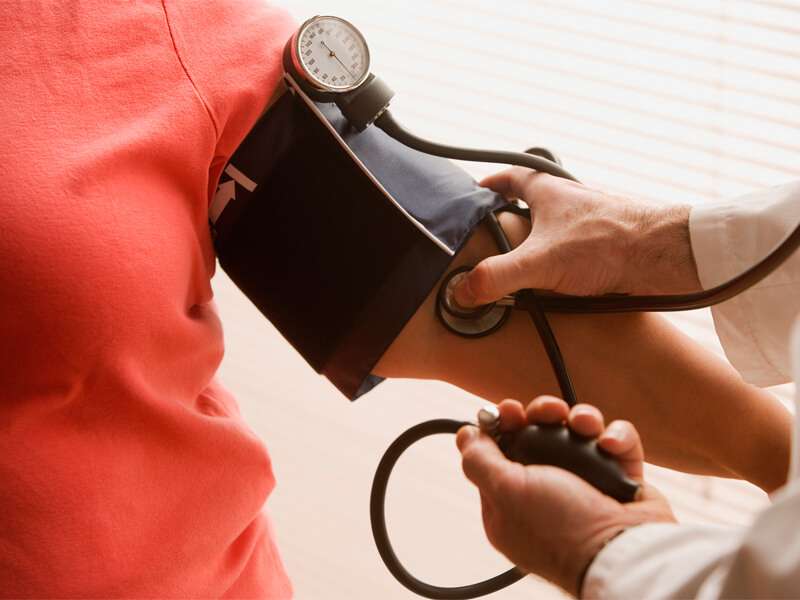
Elevated cholesterol levels are a significant risk factor for heart disease. Understanding cholesterol's role in your body can empower you to take steps toward better health.
- Symptoms: High cholesterol typically does not present noticeable symptoms; thus regular screening is vital for early detection.
- How it’s Diagnosed: A lipid panel test measures total cholesterol levels along with LDL (low-density lipoprotein) and HDL (high-density lipoprotein) levels.
- Treatment Strategies: Dietary modifications to lower saturated fats combined with increased physical exercise can effectively manage cholesterol levels. In some cases, medications may be warranted.
The objective of managing cholesterol lies within maintaining balance through conscientious dietary habits and an active lifestyle—key elements in reducing cardiovascular risks.
DIABETES TYPE 2 MANAGEMENT

Type 2 diabetes is a chronic condition that affects the way your body metabolizes sugar (glucose), which is a vital source of energy for your cells. Proper management is essential to prevent severe complications.
- Symptoms: Common symptoms include increased thirst, frequent urination, extreme fatigue, and blurry vision.
- Diagnosis: Blood tests measuring glucose levels help in diagnosing diabetes. Regular monitoring is necessary for ongoing assessment.
- Treatment Options: A combination of dietary changes, physical activity, and sometimes medication is recommended to control blood sugar levels effectively.
- Lifestyle Changes: Emphasizing a healthy diet low in processed sugars and fats while increasing physical activity plays a crucial role in managing diabetes.
A proactive approach can help those with Type 2 diabetes lead a fulfilling life without severe health consequences by embracing lifestyle changes and adhering to treatment plans.
HYPERTENSION MANAGEMENT

Hypertension, commonly known as high blood pressure, is a condition that can significantly impact your health if left unmanaged. This condition often develops over many years and can lead to serious complications such as heart disease or stroke.
- Symptoms: Many individuals experience no symptoms, but some may notice headaches, shortness of breath, or nosebleeds.
- Diagnosis: Hypertension is diagnosed through regular blood pressure checks during routine medical visits.
- Treatment Options: Lifestyle changes such as a balanced diet, regular physical activity, and maintaining a healthy weight are foundational. Medications may also be prescribed based on individual needs.
- Management: Monitoring blood pressure regularly and adhering to the treatment plan is crucial for effective management.
- What to Expect: With appropriate lifestyle adjustments and medication adherence, many patients can achieve their target blood pressure levels.
Effective management of hypertension requires ongoing commitment to lifestyle modifications alongside any prescribed treatments.