
Dr Ronald Charles
About Me
Dr Ronald Charles
MBBS
Dermatologist
10 Years Experience
Biography
My Clinic
OPD Hours
| Monday | Morning | 10:00 AM | - | 02:00 PM |
| Evening | 06:00 PM | - | 09:00 PM | |
| Tuesday | Morning | 10:00 AM | - | 02:00 PM |
| Evening | 06:00 PM | - | 09:00 PM | |
| Wednesday | Morning | 10:00 AM | - | 02:00 PM |
| Evening | 06:00 PM | - | 09:00 PM | |
| Thursday | Morning | 10:00 AM | - | 02:00 PM |
| Evening | 06:00 PM | - | 09:00 PM | |
| Friday | Morning | 10:00 AM | - | 02:00 PM |
| Evening | 06:00 PM | - | 09:00 PM | |
| Saturday | Morning | 10:00 AM | - | 02:00 PM |
| Evening | 06:00 PM | - | 09:00 PM | |
| Sunday | Morning | 10:00 AM | - | 02:00 PM |
| Evening | 06:00 PM | - | 09:00 PM |
Treatments
Specialised care and treatments offered
WARTS
The result of infection by human papillomavirus (HPV), warts are benign growths that commonly appear on hands and feet. They are contagious yet harmless in most cases unless causing discomfort or cosmetic concern.
- Symptoms include raised rough-surfaced bumps varying in size/colors depending location;
- Diagnosis relies upon visual inspection though biopsy occasionally performed if uncertain;
- Treatment strategies include cryotherapy (freezing), salicylic acid applications along with electrosurgery for persistent lesions;
- Expect some recurrence since HPV remains latent after visible wart removal requiring possible repeated treatments;
Prompt treatment not only resolves lesions but prevents spread especially important for children active in communal environments.
SEBORRHEIC DERMATITIS
A common inflammatory condition affecting oily areas of the body such as the scalp and face. It manifests with flaky scales combined with redness causing discomfort though generally not serious.
- You'll notice dandruff-like flakes, redness around eyebrows, nose folds or ears accompanied by itching;
- Diagnosis : Usually clinical based on typical distribution patterns;
- Treatment options : Shampoos containing antifungals like ketoconazole plus mild topical steroids provide relief;
- Regular cleansing helps keep symptoms controlled while avoiding harsh irritants;
Although seborrheic dermatitis tends to recur it usually responds well once appropriate treatment begins allowing symptom reduction within days weeks.
MELASMA
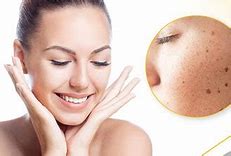
This pigmentation disorder presents as dark brown patches predominantly on sun-exposed areas of the face. It frequently affects women during hormonal changes such as pregnancy or contraceptive use.
- Characteristics: Symmetrical hyperpigmented macules commonly found on cheeks, forehead, nose bridge; triggered by UV exposure.
- Diagnosis involves: Clinical evaluation emphasizing asymptomatic discoloration; Wood's lamp examination may aid assessment.
- Treatment options include: Topical lightening agents like hydroquinone or azelaic acid; strict sun protection is critical for management success.
- Additionally, chemicals peels or laser therapies might be used cautiously under expert supervision for resistant cases.
While melasma may persist long-term without treatment adherence to protective strategies helps control progression effectively.
ATOPIC DERMATITIS (ECZEMA)
This form of eczema is a chronic inflammatory skin condition that often begins in childhood but can affect individuals at any age. It causes dry, itchy patches prone to irritation.
- Signs include: Redness, dryness, scaling, itching; tends to affect flexural areas such as inside the elbows or behind knees.
- Diagnosis: Based on clinical features; history of allergies or asthma often supports the diagnosis.
- Treatment: Focuses on moisturization with emollients, topical corticosteroids for flare-ups, and antihistamines for itch control.
- Avoiding triggers: Such as harsh soaps, allergens, temperature extremes helps reduce exacerbations.
A well-managed routine including skin hydration can significantly improve symptoms and prevent complications like infections linked with scratching.
PSORIASIS
A chronic autoimmune disorder, psoriasis leads to rapid skin cell turnover causing thickened, scaly patches that can be itchy or painful. It commonly affects adults but may appear at any age.
- Symptoms: Appearing as red plaques covered with silvery scales, often on elbows, knees, scalp, and lower back.
- How it's diagnosed: Diagnosis depends on physical exam and medical history; sometimes a biopsy confirms diagnosis.
- Treatment approaches: Range from topical corticosteroids and vitamin D analogues to phototherapy and systemic agents for severe cases.
- Lifestyle impact: Stress reduction and avoiding triggers like infections can help manage outbreaks.
The goal of therapy is controlling symptoms and improving quality of life by minimizing flare-ups through individualized treatment plans.
ACNE VULGARIS
Acne vulgaris is a widespread skin condition that primarily affects adolescents but can persist into adulthood. It involves the clogging of hair follicles with oil and dead skin cells, leading to inflammation.
- Symptoms and causes: Manifest as pimples, blackheads, whiteheads, and sometimes cysts, often influenced by hormonal changes and genetics.
- Diagnosis: Typically made through clinical examination by a dermatologist based on lesion appearance and distribution.
- Treatment options: Include topical agents like retinoids and antibiotics, oral medications such as antibiotics or hormonal therapy, and lifestyle adjustments to reduce flare-ups.
- Management: Regular skin cleansing with non-comedogenic products is encouraged to prevent worsening.
- Expectations: Improvement may take weeks to months; persistent cases require ongoing management to avoid scarring.
This common condition is manageable with proper care tailored to severity, enabling many patients to achieve clearer skin over time.