
Dr Rohit Chintama
About Me
Dr Rohit Chintama
MD
Neurologist
10 Years Experience
Biography
My Clinic
OPD Hours
| Monday | Morning | 10:00 AM | - | 02:00 PM |
| Evening | 06:00 PM | - | 09:00 PM | |
| Tuesday | Morning | 10:00 AM | - | 02:00 PM |
| Evening | 06:00 PM | - | 09:00 PM | |
| Wednesday | Morning | 10:00 AM | - | 02:00 PM |
| Evening | 06:00 PM | - | 09:00 PM | |
| Thursday | Morning | 10:00 AM | - | 02:00 PM |
| Evening | 06:00 PM | - | 09:00 PM | |
| Friday | Morning | 10:00 AM | - | 02:00 PM |
| Evening | 06:00 PM | - | 09:00 PM | |
| Saturday | Morning | 10:00 AM | - | 02:00 PM |
| Evening | 06:00 PM | - | 09:00 PM | |
| Sunday | Morning | 10:00 AM | - | 02:00 PM |
| Evening | 06:00 PM | - | 09:00 PM |
Treatments
Specialised care and treatments offered
BOTULINUM TOXIN THERAPY
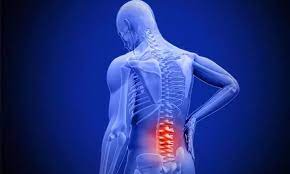
This treatment involves injecting botulinum toxin into specific muscles to relieve certain neurological movement disorders characterized by involuntary muscle contractions.
- Symptoms/causes: Indicated for conditions such as dystonia, spasticity post-stroke or cervical dystonia presenting with abnormal postures and pain.
- Diagnosis: Careful clinical evaluation identifies affected muscles suitable for targeted injections.
- Treatment/management: The toxin blocks nerve signals causing muscle relaxation; effects last 3-6 months requiring repeat treatments.
- What to expect: Injections are minimally invasive with possible mild soreness; significant improvement occurs within days after administration.
This therapy enhances quality of life by improving mobility and reducing discomfort related to abnormal muscle activity.
POLYSOMNOGRAPHY (SLEEP STUDY)
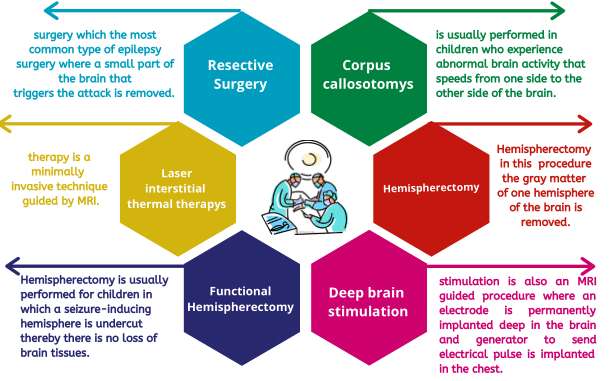
A polysomnography test monitors various physiological parameters during sleep to diagnose sleep-related neurological issues such as sleep apnea or restless leg syndrome.
- Symptoms/causes: Patients experiencing excessive daytime sleepiness, loud snoring, pauses in breathing during sleep are typical candidates for this study.
- Diagnosis: Multiple sensors track brain waves, eye movements, heart rate, oxygen levels and muscle activity overnight.
- Treatment/management: Data collected guides interventions including CPAP therapy for apnea or medications for movement disorders.
- What to expect: Testing occurs overnight at a sleep center with continuous monitoring by trained technicians.
Through comprehensive monitoring during natural sleep cycles this test uncovers underlying causes disrupting restorative rest.
NERVE CONDUCTION STUDIES (NCS)
Nerve conduction studies assess how well electrical signals travel along peripheral nerves. They are integral in diagnosing neuromuscular disorders affecting limb strength and sensation.
- Symptoms/causes: These tests are recommended when patients report numbness, tingling sensations, weakness, or muscle cramps.
- Diagnosis: Small electrodes deliver mild electrical impulses; responses from muscles and nerves are recorded and analyzed.
- Treatment/management:The findings help differentiate between nerve damage and muscle disease enabling proper therapeutic planning.
- What to expect: The examination lasts about 30-45 minutes with only minor discomfort during stimulation.
This procedure assists in early identification of conditions such as peripheral neuropathy or carpal tunnel syndrome.
MAGNETIC RESONANCE IMAGING (MRI) OF THE BRAIN
MRI scans use strong magnetic fields and radio waves to create detailed images of brain structures. This modality allows precise evaluation of various neurological conditions without radiation exposure.
- Symptoms/causes: MRI is indicated for symptoms like persistent headaches, dizziness, seizures, or sudden neurological changes.
- Diagnosis: High-resolution images help detect tumors, strokes, demyelinating diseases like multiple sclerosis, and more.
- Treatment/management: Imaging results guide decisions regarding surgery, medications, or rehabilitation efforts.
- What to expect: The scan usually lasts 30-60 minutes; patients must remain still inside a narrow tube during the process.
An MRI offers a non-invasive approach with exceptional clarity for diagnosing complex brain disorders accurately.
LUMBAR PUNCTURE (SPINAL TAP)
Lumbar puncture is a diagnostic procedure used to collect cerebrospinal fluid (CSF) for analysis. It helps evaluate conditions affecting the brain and spinal cord by examining this fluid.
- Symptoms/causes: It is often performed when infections, bleeding, or inflammatory diseases are suspected based on patient symptoms such as fever, headache, or neurological deficits.
- Diagnosis: A needle is carefully inserted between lumbar vertebrae to withdraw CSF under sterile conditions.
- Treatment/management: Analyzing CSF can identify infections like meningitis or other disorders that guide targeted therapies.
- What to expect: The procedure typically takes 30-60 minutes; some discomfort may occur but serious complications are rare.
This investigation provides essential information not obtainable through imaging or blood tests alone.
ELECTROENCEPHALOGRAM (EEG)
An Electroencephalogram (EEG) is a non-invasive test used to detect abnormalities in the electrical activity of the brain. It plays a crucial role in diagnosing neurological conditions related to brain function.
- Symptoms/causes: EEG helps investigate symptoms such as seizures, unexplained fainting, or severe headaches.
- Diagnosis: The test involves placing electrodes on the scalp to record brain wave patterns over a period of time.
- Treatment/management: Results assist doctors in determining appropriate treatments like medication adjustments or further neurological evaluation.
- What to expect: The procedure is painless, typically lasts 20-40 minutes, and requires minimal preparation.
This tool is valuable for monitoring brain activity and guiding effective management of various neurological disorders.