
Dr RK Srivastav
About Me
Dr RK Srivastav
MBBS
General Physician
10 Years Experience
Biography
My Clinic
OPD Hours
| Monday | Morning | 10:00 AM | - | 02:00 PM |
| Evening | 06:00 PM | - | 09:00 PM | |
| Tuesday | Morning | 10:00 AM | - | 02:00 PM |
| Evening | 06:00 PM | - | 09:00 PM | |
| Wednesday | Morning | 10:00 AM | - | 02:00 PM |
| Evening | 06:00 PM | - | 09:00 PM | |
| Thursday | Morning | 10:00 AM | - | 02:00 PM |
| Evening | 06:00 PM | - | 09:00 PM | |
| Friday | Morning | 10:00 AM | - | 02:00 PM |
| Evening | 06:00 PM | - | 09:00 PM | |
| Saturday | Morning | 10:00 AM | - | 02:00 PM |
| Evening | 06:00 PM | - | 09:00 PM | |
| Sunday | Morning | 10:00 AM | - | 02:00 PM |
| Evening | 06:00 PM | - | 09:00 PM |
Treatments
Specialised care and treatments offered
ANEMIA EVALUATION AND MANAGEMENT
Anemia is characterized by a decrease in red blood cells or hemoglobin leading to reduced oxygen delivery throughout the body. Detecting anemia promptly helps address underlying causes before symptoms worsen significantly.
- Common Causes : Nutritional deficiencies (iron , vitamin B12 ), chronic diseases , blood loss , inherited disorders .
- Symptoms Observed : Fatigue , pallor , shortness of breath on exertion , dizziness .
- Diagnostic Steps : Complete blood count (CBC) measuring hemoglobin concentration along with peripheral smear analysis guides diagnosis .
- Treatment Plans : Nutritional supplementation (iron tablets) dietary advice ; treating underlying illness where applicable .
With proper evaluation and management most people recover well from anemia restoring energy levels and preventing further complications related to low oxygenation .
THYROID FUNCTION ASSESSMENT

The thyroid gland plays an essential role in regulating metabolism through hormone production. Disorders of this gland can cause significant symptoms affecting multiple body systems requiring appropriate assessment for diagnosis.
- Symptoms Identification : Fatigue , weight changes , temperature intolerance , palpitations , altered bowel habits , dry skin .
- Diagnostic Tests : Blood tests measuring TSH , free T4 , sometimes antibodies levels clarify thyroid status .
- Treatment Approaches : Depending on hypo- or hyperthyroidism diagnosis treatment may involve hormone replacement therapy or medications inhibiting hormone production .
- Monitoring : Regular follow-up testing ensures optimal hormone levels thereby improving quality of life .
Early recognition along with suitable therapeutic measures ensures stable thyroid function preventing complications associated with untreated thyroid dysfunction .
ROUTINE HEALTH CHECKUPS
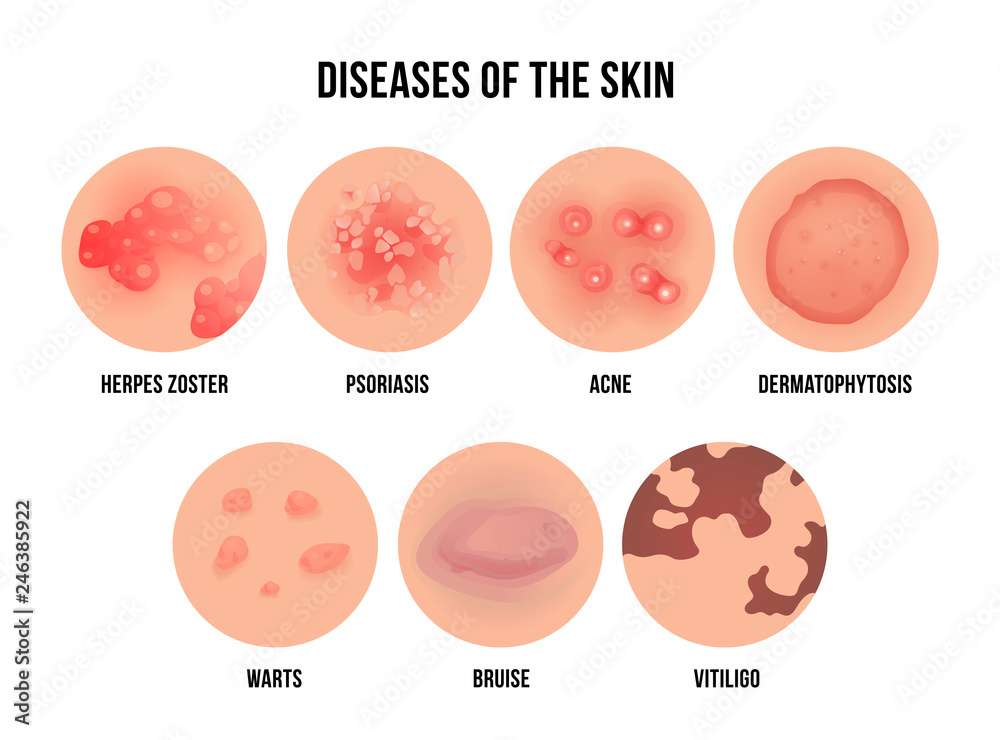
A routine health checkup involves a comprehensive examination aimed at assessing your overall physical condition even when no symptoms are present. This practice supports early detection of potential health issues before they become serious problems.
- Components Included: Physical examination, vital signs measurement, laboratory tests like blood count or cholesterol screening depending on age and risk factors.
- Purposes: To identify risk factors for diseases such as heart disease or diabetes early on;
SEASONAL INFLUENZA PREVENTION AND MANAGEMENT
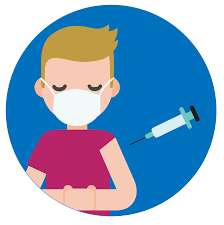
The seasonal flu is an infectious respiratory illness caused by influenza viruses. It spreads easily from person to person especially during colder months. Preventive measures are key to reducing its impact on health.
- Symptoms: Fever, cough, sore throat, muscle aches, fatigue, sometimes vomiting or diarrhea (more common in children).
- Diagnosis: Clinical assessment based on symptoms; rapid flu tests can confirm diagnosis in some cases.
- Treatment: Mostly supportive with rest, fluids, antivirals for high-risk individuals; symptom relief via painkillers or decongestants.
- Prevention Strategies: Annual flu vaccination is strongly recommended; good hygiene practices such as handwashing lessen spread risks.
A proactive approach helps protect vulnerable populations and shortens illness duration for those affected by influenza viruses each season.
DIABETES SCREENING AND CARE

Diabetes mellitus is a chronic illness where the body struggles to regulate blood sugar levels properly. Early detection through screening can help manage the disease effectively and prevent long-term complications.
- Risk Factors: Includes obesity, family history, sedentary lifestyle, and age over 45 years.
- Diagnosis Methods: Fasting blood sugar test, HbA1c test showing average glucose levels over months, oral glucose tolerance test in some cases.
- Treatment: Includes lifestyle changes such as balanced diet and regular physical activity; medications like insulin or oral hypoglycemics may be prescribed.
- Monitoring: Regular blood sugar monitoring is essential to adjust treatment and avoid issues like neuropathy or kidney damage.
Timely screening combined with proper care promotes a healthier life and reduces diabetes-related risks significantly.
HYPERTENSION MANAGEMENT
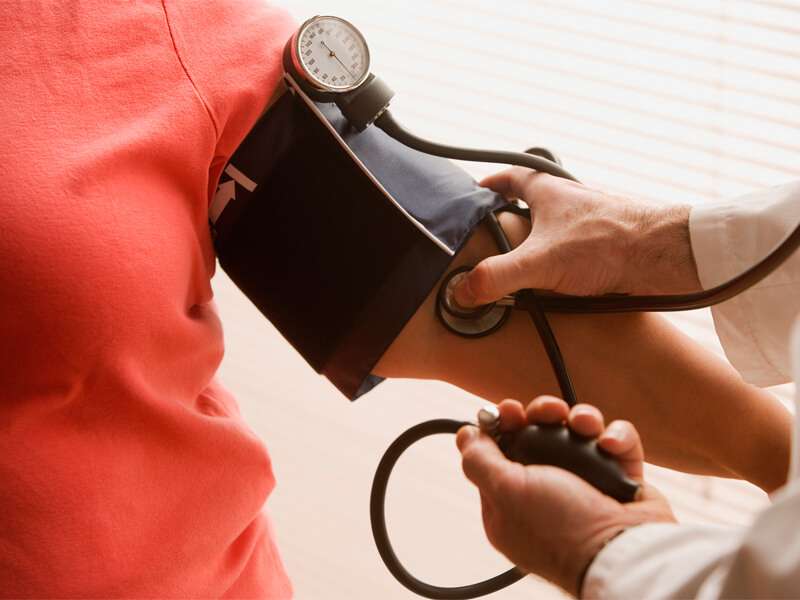
Hypertension, commonly known as high blood pressure, is a widespread condition affecting many adults globally. It often develops over several years without noticeable symptoms but can lead to serious health problems if left untreated.
- Causes and Symptoms: Often caused by genetic factors, lifestyle choices like diet and inactivity; symptoms are usually absent but may include headaches or dizziness in severe cases.
- Diagnosis: Regular blood pressure measurements using a cuff; multiple readings are taken at different times to confirm.
- Treatment Options: Lifestyle modifications including diet and exercise, medications such as ACE inhibitors or diuretics, tailored per patient's needs.
- Management: Ongoing monitoring to prevent complications like heart attack or stroke; stress control is also important.
Consistent management of hypertension can substantially reduce the risk of cardiovascular complications and improve overall well-being.