
Dr RK MishraPlas
About Me
Dr RK MishraPlas
MBBS
General Physician
10 Years Experience
Biography
My Clinic
OPD Hours
| Monday | Morning | 10:00 AM | - | 02:00 PM |
| Evening | 06:00 PM | - | 09:00 PM | |
| Tuesday | Morning | 10:00 AM | - | 02:00 PM |
| Evening | 06:00 PM | - | 09:00 PM | |
| Wednesday | Morning | 10:00 AM | - | 02:00 PM |
| Evening | 06:00 PM | - | 09:00 PM | |
| Thursday | Morning | 10:00 AM | - | 02:00 PM |
| Evening | 06:00 PM | - | 09:00 PM | |
| Friday | Morning | 10:00 AM | - | 02:00 PM |
| Evening | 06:00 PM | - | 09:00 PM | |
| Saturday | Morning | 10:00 AM | - | 02:00 PM |
| Evening | 06:00 PM | - | 09:00 PM | |
| Sunday | Morning | 10:00 AM | - | 02:00 PM |
| Evening | 06:00 PM | - | 09:00 PM |
Treatments
Specialised care and treatments offered
ASTHMA EXACERBATION

An exacerbation of asthma involves a sudden worsening of asthma symptoms due to triggers such as allergens, smoke, stress, or respiratory infections. Recognizing an asthma attack early ensures timely intervention that could prevent serious complications.
- Symptoms: Increased wheezing , chest tightness , coughing especially at night or early morning signify an exacerbation .
- Triggers: Allergens like pollen , dust mites , cold air could provoke flare-ups ; avoiding these is key .
- Diagnosis: Recent medical history combined with physical assessments guide clinicians in identifying exacerbations quickly .
- Treatment: Immediate bronchodilator inhalers provide relief while long-term preventive measures via inhaled corticosteroids play significant roles too .
Understanding personal triggers helps many asthma sufferers avoid future attacks successfully .
ANEMIA

Anemia is a condition characterized by a deficiency in red blood cells or hemoglobin which impairs oxygen transport throughout the body. Understanding its causes aids in proper management strategies for affected individuals.
- Types: Iron deficiency anemia is common but there are other types including vitamin B12 deficiency anemia due to dietary insufficiency .
- Symptoms: Fatigue , pallor , weakness , shortness of breath during exertion indicate anemia .
- Diagnosis: Blood tests including complete blood count (CBC) are used traditionally for diagnosing various types .
- Management: Treatment may involve supplementation , dietary modifications focusing on iron-rich foods , or addressing underlying health issues .
With appropriate management , most patients can improve their energy levels significantly .
GASTROENTERITIS

Gastroenteritis refers to inflammation of the stomach and intestines resulting in diarrhea, vomiting, and abdominal discomfort. It often results from infectious agents but can also be caused by dietary factors or toxins.
- Causative agents: Common sources include viruses (like norovirus), bacteria (such as E. coli), or contaminated food/water.
- Main symptoms: Diarrhea, nausea, vomiting, stomach cramps, and sometimes fever are prominent indicators of gastroenteritis.
- Treatment approaches: Focus primarily on hydration; antiemetics or antidiarrheal medications may be introduced based on severity; dietary adjustments are important too.
A quick response can help mitigate severe dehydration associated with this condition.
ACUTE RESPIRATORY INFECTIONS
Acute respiratory infections (ARIs) encompass a range of conditions affecting the airways, from the common cold to more severe infections like pneumonia. Identifying symptoms early can lead to prompt treatment.
- Causes: These infections can be caused by viral or bacterial pathogens and often spread through inhalation of droplets from coughs or sneezes.
- Symptoms: Typical symptoms include cough, fever, sore throat, and difficulty breathing in severe cases.
- Diagnosis: Healthcare providers use physical examinations and sometimes imaging studies like X-rays to diagnose ARIs accurately.
- Treatment options: Depending on the cause, treatment may range from rest and hydration for viral infections to antibiotics for bacterial causes.
This understanding helps navigate treatment strategies effectively during illness onset.
DIABETES MELLITUS

Diabetes Mellitus is a metabolic disorder characterized by elevated blood glucose levels either due to inadequate insulin production or ineffective use of insulin by the body. Early diagnosis and management are vital for preventing complications.
- Symptoms: Common signs include excessive thirst, frequent urination, fatigue, and blurred vision.
- Diagnosis: Diagnosis typically involves fasting blood sugar tests or HbA1c tests to assess average blood glucose levels over time.
- Treatment options: Management may include lifestyle modifications such as diet and exercise, along with medication or insulin therapy as needed.
- Expectations: Regular monitoring of blood sugar levels will help in adjusting treatment plans accordingly.
A proactive approach can greatly improve quality of life for individuals living with diabetes.
HYPERTENSION
Hypertension, often referred to as high blood pressure, is a common condition that can lead to severe health issues if left unmanaged. It is crucial to understand how it affects the body and the importance of regular monitoring.
- Symptoms: Many people with hypertension are asymptomatic; however, some may experience headaches, shortness of breath, or nosebleeds.
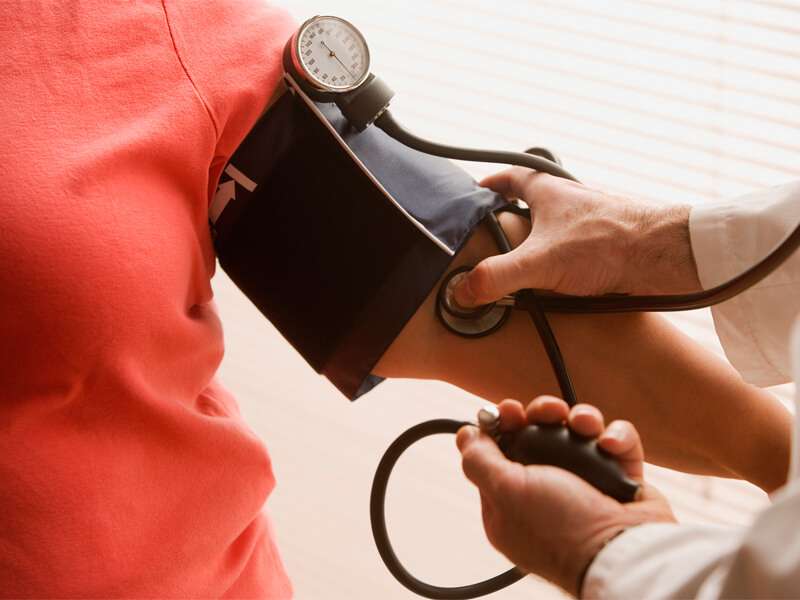
- Diagnosis: Blood pressure is usually measured using a sphygmomanometer, and multiple readings may be necessary for an accurate diagnosis.
- Treatment options: Lifestyle changes such as diet modification and exercise are recommended. Medications may also be prescribed to help control blood pressure levels.
- Management: Regular check-ups and monitoring are essential for managing hypertension effectively and reducing risks of heart disease or stroke.
Understanding your condition can empower you to manage it effectively and lead a healthier life.