
Dr Ritu Agarwal
About Me
Dr Ritu Agarwal
MD
Diabetologist
Biography
My Clinic
OPD Hours
| Monday | Morning | 10:00 AM | - | 02:00 PM |
| Evening | 06:00 PM | - | 09:00 PM | |
| Tuesday | Morning | 10:00 AM | - | 02:00 PM |
| Evening | 06:00 PM | - | 09:00 PM | |
| Wednesday | Morning | 10:00 AM | - | 02:00 PM |
| Evening | 06:00 PM | - | 09:00 PM | |
| Thursday | Morning | 10:00 AM | - | 02:00 PM |
| Evening | 06:00 PM | - | 09:00 PM | |
| Friday | Morning | 10:00 AM | - | 02:00 PM |
| Evening | 06:00 PM | - | 09:00 PM | |
| Saturday | Morning | 10:00 AM | - | 02:00 PM |
| Evening | 06:00 PM | - | 09:00 PM | |
| Sunday | Morning | 10:00 AM | - | 02:00 PM |
| Evening | 06:00 PM | - | 09:00 PM |
Treatments
Specialised care and treatments offered
NUTRITION COUNSELING FOR DIABETES

Nutritional counseling remains a cornerstone in managing diabetes effectively. A personalized diet plan tailored according to individual needs plays a significant role in controlling blood sugar levels while promoting overall well-being。
- An evaluation begins with assessing dietary habits including calorie intake sources predominantly carbohydrates which directly influence glucose spikes post-meal。
- Patients learn about portion sizes understanding glycemic index indexes help select foods that maintain stable elevated food choices do not disrupt regulatory mechanisms within body。
- Such educational sessions may cover cooking techniques limit saturated fats inclusion lean proteins hence formulating meal plans aligning utmost nutrition alongside personal preferences aids compliance long-term follow-through
- Continued collaboration between patient practitioners ensures realistic achievements adjustments along evolving scenarios pre-existing medical guidelines remain adhered towards diversified outcomes thoroughly informed approaches yield optimal results 共。
Long-term adherence enhanced empowerment restores confidence thus contributing healthier lifestyles preventing potential adverse cardiovascular effects attributed unmanaged risks associated elevated sugars integrity restores balance caloric intake fostering gratifying transformations whole person healthiness
CONTINUOUS GLUCOSE MONITORING (CGM)
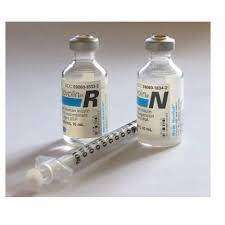
The Continuous Glucose Monitoring (CGM) system provides real-time insights into blood sugar levels throughout the day. This technology has transformed how diabetics manage their conditions by providing continuous data rather than sporadic point-in-time readings from fingerstick tests.
- A CGM device consists of a small sensor placed under the skin that monitors glucose levels continuously every few minutes throughout the day and night.
- This method helps identify trends in glucose fluctuations in relation to meals, exercise, stressors, or medications taken orally or via injection.
- Alerts about impending lows or highs allow patients more flexibility in managing their diet or medication proactively rather than reactively after symptoms arise.
The use of CGMs enhances patient engagement in their own healthcare by empowering them with detailed information regarding their metabolic responses over time
DIABETIC FOOT CARE
Proper foot care is essential for individuals with diabetes since high blood sugar can lead to nerve damage and circulation issues. Preventing foot problems avoids severe complications that could result from untreated conditions.
- Common issues include numbness or tingling in the feet due to neuropathy caused by prolonged high glucose levels.
- A comprehensive foot examination should be part of regular check-ups to identify any signs of problems early on.
- Treatment includes educating patients on daily foot care practices such as keeping feet clean and dry, wearing appropriate footwear, and inspecting feet regularly for any cuts or bruises.
- Podiatric referrals may be necessary if complications arise or treatment needs exceed general care practices.
By prioritizing foot health, individuals with diabetes can greatly reduce risks associated with foot-related complications.
GESTATIONAL DIABETES MANAGEMENT
Gestational diabetes occurs during pregnancy when a woman's body cannot produce enough insulin. It's critical to manage this condition effectively to ensure the health of both mother and baby.
- This type of diabetes often presents with no clear symptoms but can be detected through routine prenatal screening around the 24th week of pregnancy.
- Sugar control is vital; therefore, monitoring blood glucose levels becomes essential during pregnancy.
- Treatment focuses on dietary modifications along with physical activity; some may need insulin therapy if diet alone isn't sufficient.
- Coping strategies aim to maintain healthy weight gain during pregnancy while ensuring fetal development is on track.
Post-delivery follow-up is also crucial since gestational diabetes increases future risks for both mother and child regarding type 2 diabetes later in life.
DIABETES RISK ASSESSMENT
A diabetes risk assessment is an important tool for identifying individuals at high risk for developing diabetes. Early detection can lead to interventions that prevent the onset of the disease.
- Risk factors include obesity, sedentary lifestyle, family history, and age over 45 years.
- The assessment usually involves evaluating personal health history, physical examination results, and screening tests for elevated blood glucose levels.
- If deemed at risk, lifestyle modifications are recommended such as dietary changes and increased physical activity.
- This proactive approach allows for timely intervention before symptoms develop into full-blown diabetes.
Taking action early can vastly improve outcomes and potentially prevent the progression to diabetes in those identified as at risk.
TYPE 2 DIABETES MANAGEMENT
Type 2 diabetes is a chronic condition that affects the way your body metabolizes sugar (glucose). It can lead to serious health complications if not properly managed. Understanding this condition is crucial for effective management and prevention of complications.
- Symptoms may include increased thirst, frequent urination, fatigue, and blurred vision.
- Diagnosis typically involves blood tests, including fasting glucose levels and HbA1c tests measuring average blood sugar over time.
- Treatment options include lifestyle changes like a balanced diet and regular exercise, along with medications such as metformin when necessary.
- Regular monitoring of blood sugar levels is essential to adjust treatment plans effectively.
- Patients can expect ongoing support from healthcare providers to manage their condition effectively.
With proper management and lifestyle adjustments, individuals with Type 2 diabetes can lead healthy lives and significantly reduce their risk of complications.