
Dr Rishi Bhatiya
About Me
Dr Rishi Bhatiya
MS
Orthopaedic Surgeons
10 Years Experience
Biography
My Clinic
OPD Hours
| Monday | Morning | 10:00 AM | - | 02:00 PM |
| Evening | 06:00 PM | - | 09:00 PM | |
| Tuesday | Morning | 10:00 AM | - | 02:00 PM |
| Evening | 06:00 PM | - | 09:00 PM | |
| Wednesday | Morning | 10:00 AM | - | 02:00 PM |
| Evening | 06:00 PM | - | 09:00 PM | |
| Thursday | Morning | 10:00 AM | - | 02:00 PM |
| Evening | 06:00 PM | - | 09:00 PM | |
| Friday | Morning | 10:00 AM | - | 02:00 PM |
| Evening | 06:00 PM | - | 09:00 PM | |
| Saturday | Morning | 10:00 AM | - | 02:00 PM |
| Evening | 06:00 PM | - | 09:00 PM | |
| Sunday | Morning | 10:00 AM | - | 02:00 PM |
| Evening | 06:00 PM | - | 09:00 PM |
Treatments
Specialised care and treatments offered
ACHILLES TENDINOPATHY
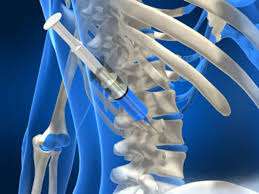
Achilles tendinopathy refers to degeneration or inflammation affecting the Achilles tendon linking calf muscles at back leg onto heel bone resulting persistent heel/ankle discomfort felt predominantly during sporting endeavors or initiating movements after long rests !
- Symptoms: Persistent achy feelings post-exercise therefore aggravated following ruptured sequence resulting reduced mobility activities ...
- Causes: Aging strains through excessive training loads coupled inefficient footwear diminish tissue resilience much worse sadly ; these conditions escalate risks referred pathology if left unaddressed .
- Diagnosis: Clinical examinations capture evaluation regarding excessive swelling tenderness areas surrounding ankles invariably alongside MRI scans confirming structural concerns present — whilst ruling alternative sources worrying findings .
- Treatment options: Avoidance immediate self-care rehabilitation programs benefit volumizing elasticity protecting athletes against further risk incurred — all depending severity class achieved throughout healing phases required before return out again competition readiness ...
CARPAL TUNNEL SYNDROME
This syndrome arises when pressure builds on one of the major nerves serving your hand (the median nerve), which can lead to numbness and tingling in fingers. It frequently afflicts people engaged in repetitive wrist movements like typing...
- Symptoms: Numbness tingling sensations in thumb/index/middle finger , along sudden night pains;
- Causes: Overuse fatigue factors contribute as do underlying health issues like diabetes/hypothyroidism .
- Diagnosis: A clinical assessment includes evaluating wrist mobility alongside sensory testing confirming nerve involvement .
- Treatment options: If initial conservative measures fail , surgical release might ultimately prove necessary ; this goal maximizes function/seeks symptom relief ...
- Expectations: Persistent symptoms impair daily functions therefore timely evaluation enables proper intervention should yield satisfying outcomes .
Early recognition/suitable preventative practices assist patients minimizing future complications completing essential tasks more effectively !
SACROILIAC JOINT DYSFUNCTION

This condition affects the sacroiliac joints located at the lower back where the spine meets the pelvis. It can cause lower back pain that radiates into the legs.
- Symptoms: Patients often report low back pain that may be sharp or dull; discomfort usually increases with prolonged sitting or standing activities.
- Causes:Common causes are injury from falls, arthritis conditions affecting nearby joints, or changes due to pregnancy-related hormonal effects on ligaments surrounding joints...
- Diagnosis: A thorough assessment including patient history and physical examinations focuses on identifying specific tenderness areas; imaging tests might be suggested if needed.
- Treatment Options: Pain management is addressed through physical therapy exercises aimed at improving stability while strengthening core muscles; additional solutions comprise steroid injections under specific circumstances,... iLI:
- Expectations: The treatment plan generally yields effective results; patients are encouraged to engage actively with their rehabilitation process.
Sacroiliac joint dysfunction's management stresses body mechanics education along with tailored exercise protocols in promoting recovery success. p>
PLANTAR FASCIITIS

This condition involves inflammation of the plantar fascia—the thick band of tissue connecting the heel bone to the toes—resulting in heel pain. It is prevalent among runners and those who stand for prolonged periods.
- Symptoms: Sharp heel pain upon waking up or after sitting for extended periods is common. The pain may decrease with movement but intensifies after prolonged activity.
- Causes: Overuse from running or standing frequently can strain the plantar fascia. Other contributing factors include improper footwear and flat feet arches.
- Diagnosis: A healthcare provider will perform a physical examination focusing on foot structure and tenderness locations. X-rays may be taken to rule out other conditions if necessary.
- Treatment Options: Treatment often includes stretching exercises targeting the calf muscles and plantar fascia along with orthotic devices for arch support. Ice therapy may also alleviate inflammation...
- Expectations: The journey towards recovery necessitates consistent adherence to treatment recommendations; most individuals observe marked improvement within months.
An emphasis on preventive measures plays a vital role in managing symptoms effectively while engaging in daily activities.
TENDINITIS

Tendinitis is an inflammation or irritation of a tendon that often leads to pain and discomfort in the affected area. It typically occurs due to repetitive motion or overuse.
- Symptoms: Individuals may experience localized pain near a joint or tendon area that often worsens with activity.
- Causes: Activities involving repetitive motions, such as gardening or playing sports without proper technique, are common causes of tendinitis.
- Diagnosis: Diagnosis usually involves a physical examination focusing on pain points and might require imaging tests like ultrasound to confirm tendon issues.
- Treatment Options: Non-surgical treatments include rest from activities causing discomfort, ice application for inflammation reduction, stretching exercises for flexibility improvement, and NSAIDs for pain management.
- Expectations: With appropriate care and adjustments in activities, most individuals see significant improvement within weeks.
Tendinitis recovery emphasizes rest and gradual reintroduction of activities for optimal healing.
OSTEOARTHRITIS

Osteoarthritis is a degenerative joint disease that primarily affects the cartilage, leading to pain and stiffness. It commonly occurs in weight-bearing joints such as the knees, hips, and spine.
- Symptoms: Common signs include joint pain during movement, stiffness after periods of inactivity, swelling around the affected joint, and decreased flexibility.
- Causes: The condition can be caused by age-related wear and tear, previous joint injuries, obesity, or genetic factors.
- Diagnosis: A healthcare professional will typically review medical history, conduct a physical examination, and may recommend X-rays or MRI scans to assess joint damage.
- Treatment Options: Management may include lifestyle changes such as weight loss, physical therapy exercises to strengthen muscles around the joint, nonsteroidal anti-inflammatory drugs (NSAIDs) for pain relief, and the use of assistive devices.
- Expectations: While osteoarthritis cannot be cured, early intervention can significantly improve quality of life through effective management strategies.
A proactive approach toward lifestyle modifications can lead to better management of osteoarthritis symptoms.