
Dr Rekha
About Me
Dr Rekha
MBBS
General Physician
10 Years Experience
Biography
My Clinic
OPD Hours
| Monday | Morning | 10:00 AM | - | 02:00 PM |
| Evening | 06:00 PM | - | 09:00 PM | |
| Tuesday | Morning | 10:00 AM | - | 02:00 PM |
| Evening | 06:00 PM | - | 09:00 PM | |
| Wednesday | Morning | 10:00 AM | - | 02:00 PM |
| Evening | 06:00 PM | - | 09:00 PM | |
| Thursday | Morning | 10:00 AM | - | 02:00 PM |
| Evening | 06:00 PM | - | 09:00 PM | |
| Friday | Morning | 10:00 AM | - | 02:00 PM |
| Evening | 06:00 PM | - | 09:00 PM | |
| Saturday | Morning | 10:00 AM | - | 02:00 PM |
| Evening | 06:00 PM | - | 09:00 PM | |
| Sunday | Morning | 10:00 AM | - | 02:00 PM |
| Evening | 06:00 PM | - | 09:00 PM |
Treatments
Specialised care and treatments offered
VACCINATION COUNSELING
Keeps you safe from infectious diseases through vaccination counseling helps patients understand needed immunizations required at different life stages ensuring timely administration!
.- .
RESPIRATORY HEALTH ASSESSMENTS

Your respiratory system plays a vital role in overall health; thus regular assessments are important for maintaining lung function. Understanding how to manage respiratory conditions enhances quality of life significantly.
.- . Main Conditions Assessed: Using spirometry tests & physical evaluations , common issues like asthma , COPD , & lung infections could be promptly identified . Symptoms To Discuss : Frequent coughs , wheezing , shortness of breath should be shared during assessments even if they seem minor .
- Treatment Options : Depending on diagnosis ; inhalers / bronchodilators might be prescribed alongside ongoing monitoring based upon individualized needs .
- Diagnostic Tests Performed : Chest X - rays / CT scans could aid evaluation revealing key information about underlying inflammation / obstruction patterns observed within lungs .
- Importance Of Early Intervention : By addressing concerns early on patients often experience improved management leading down roads fostering less hospitalization !
Investing time into effective respiratory care ensures thriving wellbeing every step along way .
ANNUAL PHYSICAL EXAMINATIONS

An annual physical examination is an essential part of preventive healthcare. It allows for the assessment of overall health and the identification of potential issues before they become serious problems.
- Purpose:This routine check-up evaluates vital signs, reviews medical history, assesses current medications, and discusses lifestyle choices with patients.
- Screens Conducted:The examination typically includes checks for blood pressure, cholesterol levels, glucose tests, body mass index (BMI), among others depending on age and risk factors.
LIPID PROFILE SCREENING
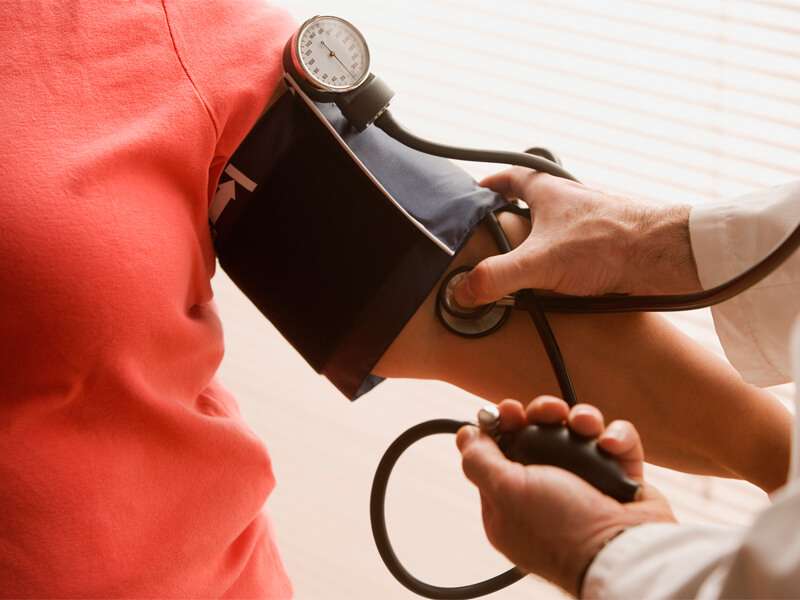
Lipid profile screening measures cholesterol levels to evaluate cardiovascular health. Understanding lipid levels is critical in preventing heart disease and stroke.
- Main Components:The lipid profile includes total cholesterol, LDL (bad cholesterol), HDL (good cholesterol), and triglycerides.
- Disease Risk Assessment:Elevated cholesterol can indicate a higher risk for heart-related conditions such as atherosclerosis or heart attack.
- Screens:A simple blood test after fasting for 9-12 hours provides these crucial insights into your heart health status.
- Treatment Approaches:Lifestyle modifications such as diet changes, increased physical activity, and weight management are first-line interventions; statins may also be prescribed if necessary.
- The Benefits of Regular Screening:Pursuing regular lipid assessments assists in monitoring treatment effectiveness and making timely adjustments when needed.
This proactive measure plays a significant role in maintaining overall cardiovascular health.
DIABETES SCREENING

Regular diabetes screening is crucial for early detection and management of this chronic condition. Recognizing diabetes at an early stage can help prevent serious complications.
- Symptoms: Common symptoms of diabetes may include excessive thirst, frequent urination, and unexplained weight loss.
- Causal Factors: Risk factors encompass obesity, sedentary lifestyle, family history, and age over 45 years.
- Screens: Testing typically involves a fasting blood glucose test or an HbA1c test to assess average blood sugar levels over the past few months.
- Treatment Options: Management includes lifestyle changes such as dietary adjustments and exercise; medications may also be prescribed as needed.
- The Importance of Monitoring: Regular screenings allow for timely intervention, which can significantly improve patient outcomes and reduce the risk of complications like neuropathy or retinopathy.
Your healthcare provider will guide you on how frequently screenings should take place based on individual risk factors.
HYPERTENSION MANAGEMENT

Hypertension, or high blood pressure, is a prevalent condition that can lead to serious health issues if not managed correctly. It often shows no symptoms, which makes regular screening essential.
- Symptoms: Many individuals with hypertension experience no noticeable symptoms until complications arise. Common signs may include headaches or shortness of breath in severe cases.
- Causes: Factors contributing to high blood pressure include obesity, lack of physical activity, excessive salt intake, and genetic predisposition.
- Diagnosis: Blood pressure is measured using a sphygmomanometer. Consistent readings above 130/80 mmHg indicate hypertension.
- Treatment: Management involves lifestyle modifications—such as diet and exercise—as well as medications like diuretics or ACE inhibitors when necessary.
- What to Expect: With proper management, many individuals can maintain healthy blood pressure levels and reduce the risk of heart disease and stroke.
A proactive approach towards monitoring blood pressure can significantly enhance quality of life and longevity.