
Dr Rauts Women
About Me
Dr Rauts Women
MBBS
General Physician
10 Years Experience
Biography
My Clinic
OPD Hours
| Monday | Morning | 10:00 AM | - | 02:00 PM |
| Evening | 06:00 PM | - | 09:00 PM | |
| Tuesday | Morning | 10:00 AM | - | 02:00 PM |
| Evening | 06:00 PM | - | 09:00 PM | |
| Wednesday | Morning | 10:00 AM | - | 02:00 PM |
| Evening | 06:00 PM | - | 09:00 PM | |
| Thursday | Morning | 10:00 AM | - | 02:00 PM |
| Evening | 06:00 PM | - | 09:00 PM | |
| Friday | Morning | 10:00 AM | - | 02:00 PM |
| Evening | 06:00 PM | - | 09:00 PM | |
| Saturday | Morning | 10:00 AM | - | 02:00 PM |
| Evening | 06:00 PM | - | 09:00 PM | |
| Sunday | Morning | 10:00 AM | - | 02:00 PM |
| Evening | 06:00 PM | - | 09:00 PM |
Treatments
Specialised care and treatments offered
BODY MASS INDEX (BMI) ASSESSMENT
BMI calculation provides a quick estimate of whether you have a healthy body weight relative to height. It serves as a valuable screening tool for potential weight-related health issues including obesity or undernutrition.
- Understanding BMI Categories: Underweight (
CHOLESTEROL SCREENING

Elevated cholesterol levels can silently increase risks for cardiovascular diseases. Detecting abnormal lipid profiles early helps manage these risks effectively through targeted interventions.
- The Cause & Effect Relationship: High LDL ('bad') cholesterol contributes to plaque buildup in arteries leading to heart attacks or strokes; low HDL ('good') cholesterol worsens risk profile.
- The Screening Process: A fasting blood test measures total cholesterol along with LDL, HDL and triglycerides levels accurately.
- Lifestyle-based Management:
ROUTINE HEALTH CHECKUPS
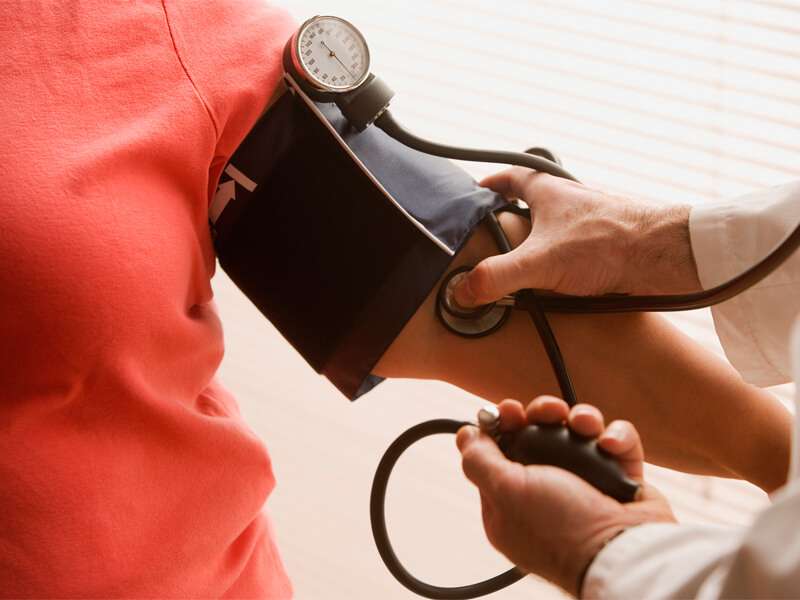
A comprehensive health checkup provides critical insights into your overall wellbeing. It aims at early detection of underlying conditions before symptoms manifest prominently.
- Screens Included: Blood tests, urine analysis, blood pressure measurement, cholesterol levels assessment among others tailored to age and risk profile.
- Importance of Regularity: Periodic exams help track changes over time allowing prompt medical attention when needed.
- Lifestyle Advice: Doctors offer personalized guidance on diet, exercise habits based on findings during checkups.
- Your Role in Prevention: Staying informed about your health status empowers better decisions affecting quality of life long-term.
Makes routine checkups a part of your health regimen for maintaining vitality through timely interventions and preventive care strategies.
SEASONAL INFLUENZA VACCINATION
The flu vaccine is an important preventive measure to protect against seasonal influenza viruses. Annual vaccination helps reduce illness severity and prevents outbreaks in communities.
- Who Should Get Vaccinated: Everyone above six months old is recommended, especially those at higher risk such as elderly or people with chronic diseases.
- Efficacy & Safety: The vaccine is updated yearly to match circulating strains and generally safe with mild side effects like soreness at injection site.
- Treatment Impact: Receiving the vaccine lessens hospitalizations due to flu complications like pneumonia.
- Taking Care Post-Vaccination: Usual daily activities can be resumed immediately; monitor for rare allergic reactions.
An annual flu shot remains one of the most effective ways to safeguard personal health during flu season while supporting public health efforts.
DIABETES SCREENING AND PREVENTION

Diabetes is a metabolic disorder characterized by high blood sugar levels due to insulin dysfunction. Early screening allows for timely intervention and prevention of complications.
- Risk Factors & Signs: Includes obesity, family history, increased thirst, frequent urination, and fatigue.
- Screening Methods: Blood tests like fasting glucose or HbA1c are used for early detection.
- Lifestyle Modifications: Balanced diet, regular physical activity, and weight control significantly reduce risk.
- Treatment Approaches: May include oral medications or insulin therapy depending on the type and severity.
A proactive approach towards lifestyle combined with regular screenings can prevent or delay the onset of diabetes-related health issues.
HYPERTENSION MANAGEMENT
High blood pressure is a common condition that, if unmanaged, can lead to serious health issues such as heart disease and stroke. Understanding and controlling hypertension is crucial for long-term wellness.
- Causes & Symptoms: Often called the 'silent killer' because it may present no symptoms, it can be caused by factors like stress, poor diet, obesity, and genetics.
- Diagnosis: Blood pressure readings taken consistently over time are necessary to confirm hypertension.
- Treatment & Management: Lifestyle changes such as reducing salt intake, exercising regularly, and medication prescribed by healthcare providers.
- What to Expect: Regular monitoring and adherence to treatment plans effectively reduce risks of complications.
Monitoring your blood pressure regularly and collaborating with your healthcare provider helps maintain optimal cardiovascular health.