
Dr Ratish Sharma
About Me
Dr Ratish Sharma
B.P.T
Physiotherapist
10 Years Experience
Biography
My Clinic
OPD Hours
| Monday | Morning | 10:00 AM | - | 02:00 PM |
| Evening | 06:00 PM | - | 09:00 PM | |
| Tuesday | Morning | 10:00 AM | - | 02:00 PM |
| Evening | 06:00 PM | - | 09:00 PM | |
| Wednesday | Morning | 10:00 AM | - | 02:00 PM |
| Evening | 06:00 PM | - | 09:00 PM | |
| Thursday | Morning | 10:00 AM | - | 02:00 PM |
| Evening | 06:00 PM | - | 09:00 PM | |
| Friday | Morning | 10:00 AM | - | 02:00 PM |
| Evening | 06:00 PM | - | 09:00 PM | |
| Saturday | Morning | 10:00 AM | - | 02:00 PM |
| Evening | 06:00 PM | - | 09:00 PM | |
| Sunday | Morning | 10:00 AM | - | 02:00 PM |
| Evening | 06:00 PM | - | 09:00 PM |
Treatments
Specialised care and treatments offered
CHRONIC PAIN MANAGEMENT
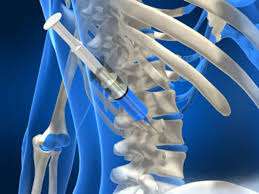
Chronic pain affects millions of individuals globally. It persists beyond usual healing times following injury or illness creating ongoing distress that impacts one's quality of life significantly.
- Symptoms can vary widely but often manifest as persistent aches that don’t seem tied directly back into any identifiable cause .
- Diagnosis might require careful examination alongside imaging studies and patient history review paired together holistically by qualified health professionals familiarized within chronic ailments field .
- Treatment approaches may comprise therapeutic exercises designed strengthen muscular support combined with education around posture correction & ergonomic solutions promoting lifestyle adaptability improving general wellbeing itself too .
- Many people report gradual reductions in symptoms coupled emotional relief gained owing longer-term management plans developed working closely guiding practitioners together enhancing daily functionality overall immensely .
Investing time building effective collaborative regime ensures achieving optimal benefits seen finally ! .
PEDIATRIC PHYSIOTHERAPY

Pediatric physiotherapy addresses musculoskeletal issues or developmental delays affecting children. Early intervention can lead to significant improvements enabling kids to participate fully in daily activities like play and sports.
- Your child may show signs like difficulty with movement skills or complaints about their joints or muscles that could indicate underlying issues requiring attention.
- A detailed assessment conducted by a physiotherapist helps determine specific areas needing support through observation and functional testing relevant for their age group.
- Treatment often includes engaging play-based exercises designed specifically for children alongside manual therapies aimed at relieving tension or correcting movement patterns.
- Regular follow-ups are crucial to monitor progress while adapting interventions as needed based on growth changes over time .
Ensuring your child receives appropriate physiological care early on promotes better health outcomes into adulthood.
NEUROLOGICAL REHABILITATION

Neurological rehabilitation focuses on helping individuals recover functional abilities after neurological events such as strokes or spinal cord injuries. This type of therapy is vital for regaining independence in daily life activities.
- You may experience various symptoms, including weakness, balance issues, or coordination problems following a neurological event.
- The diagnosis involves comprehensive assessments by healthcare professionals specializing in neurology to identify impairments accurately.
- Treatment strategies encompass therapeutic exercises, adaptive techniques for daily living activities, and sometimes the use of assistive devices to enhance mobility.
- The goal is to maximize restoration of function while offering support throughout the recovery process with ongoing evaluations and adjustments to therapy plans as needed.
POST-SURGERY REHABILITATION

Post-surgery rehabilitation is crucial for recovery following surgical procedures. Proper rehabilitation can help restore function and increase mobility while minimizing complications from surgery.
- The initial phase may present symptoms such as swelling or pain around the surgical site which is normal shortly after surgery.
- Your physiotherapist will create an individualized treatment plan based on surgical specifics, your health status, and recovery goals.
- Treatment options often include guided exercises aimed at restoring movement along with modalities like ultrasound or electrical stimulation for pain relief.
- A well-structured program leads to improved healing times and better overall outcomes for patients post-surgery.
If you've had surgery recently, engaging in a tailored rehabilitation program can significantly enhance your recovery journey.
SPORTS INJURIES

Sports injuries are common among athletes and active individuals. They encompass a variety of injuries that occur during physical activities ranging from acute injuries such as sprains to chronic conditions like tendonitis.
- Common symptoms include swelling, bruising, limited range of motion, or persistent pain in the affected area.
- A thorough assessment by a physiotherapist helps identify injury type and severity through physical exams and possibly imaging studies.
- Treatment typically involves rest, ice application, compression techniques, rehabilitation exercises focused on strength and flexibility.
- In most cases, patients can expect a full recovery with appropriate care and adherence to rehabilitation protocols.
An injury doesn't have to sideline you; with proper management and rehabilitation from a physiotherapist, regaining your strength is achievable.
OSTEOARTHRITIS

Osteoarthritis is a common form of arthritis that affects many individuals, particularly as they age. It occurs when the protective cartilage that cushions the ends of bones wears down over time, leading to pain and inflammation.
- Symptoms often include joint pain, stiffness, and swelling, especially after physical activity or prolonged inactivity.
- This condition is usually diagnosed through a combination of physical examinations, medical history review, and imaging tests such as X-rays or MRIs.
- Treatment options may involve physical therapy, lifestyle modifications like weight management, medications for pain relief, and in some severe cases, surgery.
- Patients can expect gradual improvement with consistent treatment and management strategies tailored to their needs.
If you're experiencing symptoms of osteoarthritis, early intervention can help alleviate discomfort and maintain mobility.