
Dr Rashmi Singh
About Me
Dr Rashmi Singh
MBBS
General Physician
10 Years Experience
Biography
My Clinic
OPD Hours
| Monday | Morning | 10:00 AM | - | 02:00 PM |
| Evening | 06:00 PM | - | 09:00 PM | |
| Tuesday | Morning | 10:00 AM | - | 02:00 PM |
| Evening | 06:00 PM | - | 09:00 PM | |
| Wednesday | Morning | 10:00 AM | - | 02:00 PM |
| Evening | 06:00 PM | - | 09:00 PM | |
| Thursday | Morning | 10:00 AM | - | 02:00 PM |
| Evening | 06:00 PM | - | 09:00 PM | |
| Friday | Morning | 10:00 AM | - | 02:00 PM |
| Evening | 06:00 PM | - | 09:00 PM | |
| Saturday | Morning | 10:00 AM | - | 02:00 PM |
| Evening | 06:00 PM | - | 09:00 PM | |
| Sunday | Morning | 10:00 AM | - | 02:00 PM |
| Evening | 06:00 PM | - | 09:00 PM |
Treatments
Specialised care and treatments offered
THYROID FUNCTION ASSESSMENT
The thyroid gland regulates metabolism through hormone production. Dysfunction can cause varied symptoms affecting many body systems requiring accurate evaluation for diagnosis.
- Causative conditions: Hypothyroidism (underactive) presents with fatigue weight gain cold intolerance whereas hyperthyroidism shows opposite symptoms;
- Blood tests: Measurement of Thyroid Stimulating Hormone (TSH), free T3 & T4 helps determine gland function status;
- Treatment strategies: Hypothyroidism usually requires lifelong hormone replacement therapy while hyperthyroidism treatments include medications beta blockers or sometimes surgery;
- Mild cases: May only need observation with periodic monitoring under physician care;
An accurate diagnosis followed by personalized management assists in restoring hormonal balance improving quality of life effectively .
ROUTINE HEALTH CHECK-UPS

Sustaining good health involves regular medical evaluations that detect potential issues before symptoms arise. Comprehensive check-ups form the cornerstone of preventive healthcare strategies.
- Main components include: Physical examination, vital sign monitoring, basic laboratory tests such as complete blood count (CBC) or urinalysis depending on individual needs.
- Pupose of screening tests: To identify early signs of chronic conditions including anemia, infections or metabolic imbalances that might require further investigation or treatment;
SEASONAL FLU VACCINATION
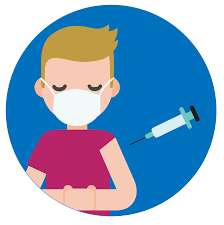
The influenza vaccine plays a vital role in protecting against seasonal flu infections. It reduces the severity of illness and prevents spread within communities.
- Who should get vaccinated: Everyone six months and older, especially those at higher risk like the elderly or people with chronic conditions.
- Efficacy: The vaccine is reformulated annually to target prevalent flu strains based on global surveillance data.
- Shooting schedule: Generally administered once each flu season before peak periods of virus circulation begin for optimal protection.
- Possible side effects: Mild soreness or low-grade fever post-vaccination are common but temporary signs indicating immune response activation.
CHOLESTEROL MONITORING
Lipid profile evaluations are an essential part of assessing cardiovascular risk. Maintaining healthy cholesterol levels is key to preventing artery diseases.
- Understanding cholesterol types: LDL (bad) cholesterol contributes to plaque build-up, while HDL (good) cholesterol helps remove it from arteries.
- Testing methods: A fasting blood test provides detailed information about various cholesterol components.
- Lifestyle modifications: Dietary changes like reducing saturated fats alongside regular exercise aid in managing cholesterol levels effectively.
- Treatment options: When needed, statins or other lipid-lowering agents may be prescribed by a general physician based on risk assessment results.
A proactive approach through routine monitoring promotes heart health and prevents complications caused by unhealthy cholesterol balance.
DIABETES SCREENING

Early identification of diabetes is crucial in preventing complications. Screening tests help detect abnormal blood sugar levels before symptoms appear.
- Risk factors: Family history, obesity, inactivity, and age increase susceptibility to diabetes.
- Diagnostic tests: Fasting blood glucose and HbA1c tests are commonly used to evaluate blood sugar control over time.
- Lifestyle interventions: Diet modification and increased physical activity are primary steps when prediabetes or diabetes is detected.
- Treatment pathways: Depending on severity, oral medications or insulin therapy may be initiated under physician guidance.
Regular screening allows timely management to prevent progression and associated health issues related to uncontrolled diabetes.
HYPERTENSION MANAGEMENT
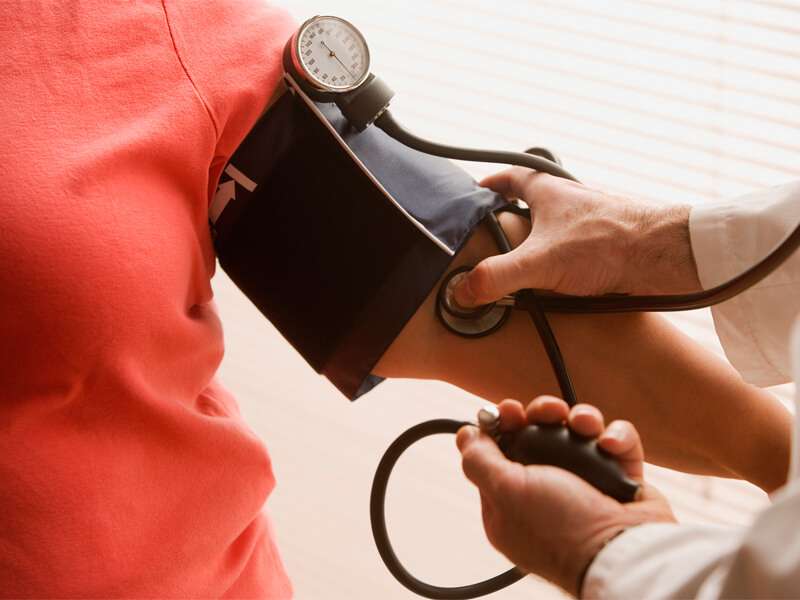
High blood pressure is a common condition that can lead to serious health complications if untreated. Understanding and managing this condition is vital for maintaining overall cardiovascular health.
- Causes and symptoms: Often called the "silent killer," hypertension may not show symptoms initially but can be influenced by genetics, diet, stress, and lifestyle.
- Diagnosis: Regular blood pressure monitoring using a sphygmomanometer helps in early detection.
- Treatment options: Lifestyle changes such as dietary adjustments, regular exercise, and medication prescribed by a general physician help control blood pressure levels.
- Monitoring: Continuous follow-up appointments are essential to adjust treatment plans as necessary.
With proper management, individuals with high blood pressure can lead healthy lives and reduce their risk of heart disease and stroke.