
DR Ranvir
About Me
DR Ranvir
MS
Orthopaedic Surgeons
10 Years Experience
Biography
My Clinic
OPD Hours
| Monday | Morning | 10:00 AM | - | 02:00 PM |
| Evening | 06:00 PM | - | 09:00 PM | |
| Tuesday | Morning | 10:00 AM | - | 02:00 PM |
| Evening | 06:00 PM | - | 09:00 PM | |
| Wednesday | Morning | 10:00 AM | - | 02:00 PM |
| Evening | 06:00 PM | - | 09:00 PM | |
| Thursday | Morning | 10:00 AM | - | 02:00 PM |
| Evening | 06:00 PM | - | 09:00 PM | |
| Friday | Morning | 10:00 AM | - | 02:00 PM |
| Evening | 06:00 PM | - | 09:00 PM | |
| Saturday | Morning | 10:00 AM | - | 02:00 PM |
| Evening | 06:00 PM | - | 09:00 PM | |
| Sunday | Morning | 10:00 AM | - | 02:00 PM |
| Evening | 06:00 PM | - | 09:00 PM |
Treatments
Specialised care and treatments offered
LIGAMENT SPRAINS
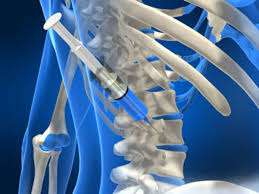
Sprains occur when ligaments that connect bones at joints are stretched or torn. This type of injury commonly affects ankles but can also affect knees and wrists due to various activities like sports or falls.
- Affected individuals usually experience immediate pain , swelling , bruising ,and inability moving those impacted joints properly
- A thorough
TENDONITIS

Tendonitis refers to inflammation of a tendon often caused by repetitive motion injuries prevalent among athletes or manual laborers. Recognizing symptoms early aids in effective management strategies.
- The primary symptoms include pain around joints during movement along with swelling localized around affected areas..
- A detailed physical examination and imaging techniques can help confirm diagnosis based upon history provided related motions involved.,
- Treatment options vary from rest using ice packs , anti-inflammatory medications ,to possible steroid injections targeting inflammation.
- A well-rounded recovery trajectory depends considerably on patient adherence towards prescribed rehab programs .
Actively managing this condition ensures longevity regarding joint health without risking further injury involved while recovering properly .
MENISCUS TEAR

The meniscus is cartilage that cushions the knee joint. Tears can occur due to sudden twists or degenerative changes over time. Addressing this issue early on is vital for maintaining knee health.
- The main symptoms include knee pain, swelling, stiffness, and difficulty fully straightening or bending the knee.
- A thorough diagnostic process, including physical exams and MRI scans, allows for a complete assessment of damage extent on the menisci.
- Treatment plans typically encompass rest and anti-inflammatory medications but might include arthroscopic surgery if appropriate to repair or remove damaged tissue.
The key to recovery involves understanding your specific injury type alongside adherence to medical advice for rehabilitation and prevention strategies post-treatment..
CARPAL TUNNEL SYNDROME

This condition arises when the median nerve becomes compressed as it travels through the wrist's carpal tunnel. This syndrome can lead to debilitating symptoms if left untreated.
- Symptoms: Common signs include tingling sensations in fingers, numbness in the hand, particularly at night, and weakness when gripping objects.
- Molecular diagnostics: Diagnosis is often made through clinical evaluations along with nerve conduction studies that assess electrical activity in the median nerve.
- Treatment approaches: Non-surgical treatments may involve wrist splints during sleep and corticosteroid injections. Severe cases may require surgery to relieve pressure on the nerve.
- Prognosis after treatment: Many individuals experience relief from symptoms rapidly after intervention; ongoing therapy may enhance lasting results.
If you experience symptoms persistently, seeking prompt evaluation can lead to effective management strategies tailored for your needs.
ROTATOR CUFF INJURIES

The rotator cuff is a group of muscles and tendons that stabilize the shoulder joint. Injuries can result from overuse or acute trauma, affecting mobility and strength.
- Common symptoms: Patients often report pain in the shoulder area, weakness when lifting objects, and limited range of motion.
- Diagnosis methods: A combination of physical examinations and imaging techniques such as ultrasonography or MRI can accurately diagnose rotator cuff injuries.
- Management strategies: Treatment may include physical therapy for strengthening exercises, anti-inflammatory medications, or surgery in severe cases to repair torn tendons.
- Outlook for recovery: Many patients improve significantly with conservative treatment; however, more extensive tears could necessitate long-term rehabilitation post-surgery.
A comprehensive approach will help restore strength and functionality to the shoulder joint effectively.
FRACTURE MANAGEMENT

Fractures are common injuries that can occur due to falls, accidents, or sports activities. Understanding the types and treatment of fractures is crucial for effective recovery.
- Symptoms: Pain, swelling, bruising, and difficulty in movement are typical signs of a fracture.
- Diagnosis: A physical examination followed by imaging studies like X-rays or MRIs helps confirm the presence and type of fracture.
- Treatment options: Treatment may include immobilization with casts, braces, or in severe cases, surgical intervention to realign the bones.
- Recovery expectations: Healing time varies; minor fractures may take weeks while complex ones might require months of rehabilitation.
Prompt treatment is essential to ensure proper healing and regain function after a fracture.