
Dr Ramesh K Shah
About Me
Dr Ramesh K Shah
General Physician
Biography
My Clinic
OPD Hours
| Tuesday | Morning | 10:00 AM | - | 02:00 PM |
| Evening | 06:00 PM | - | 09:00 PM | |
| Wednesday | Morning | 10:00 AM | - | 02:00 PM |
| Evening | 06:00 PM | - | 09:00 PM | |
| Thursday | Morning | 10:00 AM | - | 02:00 PM |
| Evening | 06:00 PM | - | 09:00 PM | |
| Friday | Morning | 10:00 AM | - | 02:00 PM |
| Evening | 06:00 PM | - | 09:00 PM | |
| Saturday | Morning | 10:00 AM | - | 02:00 PM |
| Evening | 06:00 PM | - | 09:00 PM | |
| Sunday | Morning | 10:00 AM | - | 02:00 PM |
| Evening | 06:00 PM | - | 09:00 PM | |
| Thursday | Morning | 10:00 AM | - | 02:00 PM |
| Evening | 06:00 PM | - | 09:00 PM |
Treatments
Specialised care and treatments offered
WEIGHT MANAGEMENT COUNSELING
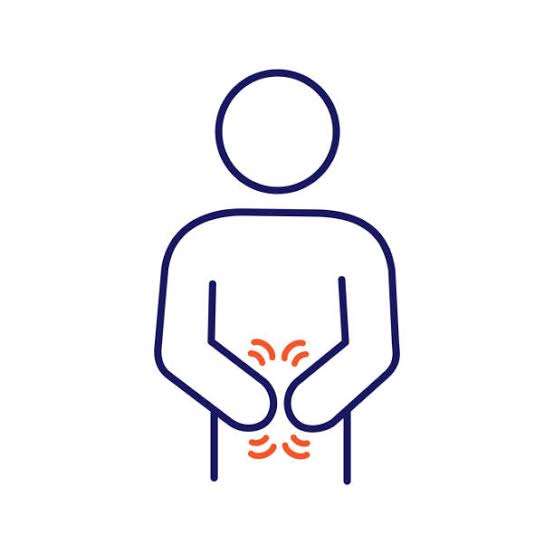
ANNUAL PHYSICAL EXAM

An annual physical exam is a comprehensive evaluation that helps maintain overall wellness. This proactive measure allows for early detection of potential health issues before they escalate into more serious conditions.
VACCINATION CONSULTATION
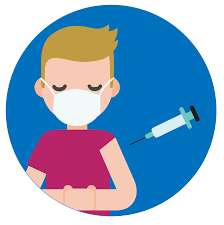
The importance of vaccinations cannot be overstated as they protect against various infectious diseases. Staying up-to-date with vaccinations promotes public health safety by preventing outbreaks.
- This includes: Immunizations against diseases such as measles, mumps, rubella (MMR), influenza (flu), pneumonia (Pneumococcal), hepatitis B etc., differing by age group and personal health status..
CHOLESTEROL SCREENING
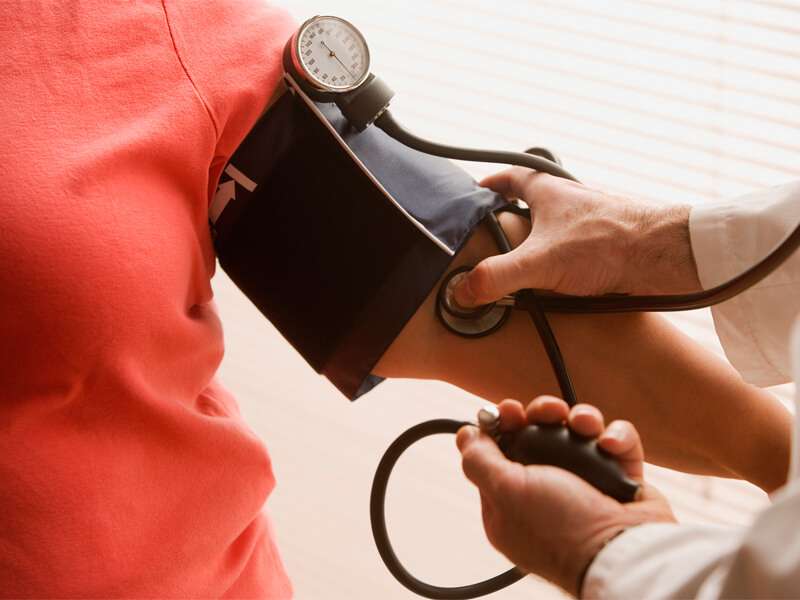
A cholesterol screening test measures lipid levels in the blood to assess cardiovascular risks. Monitoring cholesterol levels is essential for preventing heart disease and stroke.
- Symptoms: High cholesterol typically shows no symptoms but can result in serious conditions like heart attacks if ignored over time.
- Causes: Poor diet high in saturated fats, lack of exercise, smoking, and genetic factors influence cholesterol levels in the body.
- Diagnosis: A simple blood test known as a lipid panel evaluates total cholesterol along with HDL (good) and LDL (bad) cholesterol levels.
- Treatment options: Lifestyle adjustments including better dietary choices and increased physical activity are encouraged; medications like statins may be prescribed when needed.
- What to expect: With correct management techniques in place, individuals can significantly lower their risk of developing heart-related complications.
A comprehensive assessment should be carried out every five years; more frequent checks might be necessary based on individual risk factors.
DIABETES SCREENING

Diabetes is a metabolic disorder that affects how the body processes glucose. Early detection through screening is crucial to prevent complications associated with both Type 1 and Type 2 diabetes.
- Symptoms: Increased thirst, frequent urination, extreme fatigue, blurry vision, and slow-healing wounds can indicate diabetes.
- Causes: Genetic predisposition, obesity, inactivity, and poor nutrition are significant contributors to developing diabetes.
- Diagnosis: Blood tests measuring glucose levels help determine diabetes risk. Fasting plasma glucose test or hemoglobin A1c test are commonly used diagnostics.
- Treatment options: Lifestyle modifications such as dietary changes and exercise are vital; some may require insulin therapy or oral medications depending on severity.
- What to expect: Regular follow-ups will help manage the condition effectively while maintaining optimal health over time.
An annual screening is recommended for those at risk to catch any issues early on and ensure proper management strategies are implemented.
HYPERTENSION MANAGEMENT
Hypertension, commonly known as high blood pressure, is a chronic condition that can lead to serious health complications if left untreated. It is essential to monitor and manage this condition effectively to maintain good cardiovascular health.
- Symptoms: Often referred to as a silent killer, hypertension may not display noticeable symptoms until severe damage has occurred.
- Causes: Factors such as poor diet, lack of physical activity, genetics, and stress can contribute to the development of this condition.
- Diagnosis: Regular blood pressure checks and assessments by a healthcare professional are crucial for accurate diagnosis.
- Treatment options: Management may include lifestyle changes, medications like diuretics or ACE inhibitors, and regular monitoring.
- What to expect: With appropriate management strategies in place, individuals can lead healthy lives with reduced risk of heart disease or stroke.
Regular check-ups are vital for monitoring blood pressure levels and making necessary adjustments in treatment plans.